

Stay-at-home orders and social distancing make technology all the more important for maintaining human connections. They also make it easier for abusers to use technology against their victims.
Articles on Intimate partner violence
Displaying 101 - 120 of 135 articles
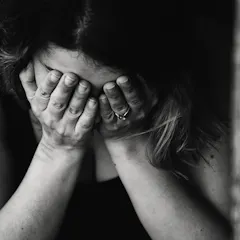
Canada must consider funding programs that allow abuse victims and survivors to bring their pets with them when they leave their partners.

What would you do if you weren’t safe at home – and now you’re not allowed to leave because of the coronavirus pandemic?

Women who lived in more deprived neighbourhoods during the first 18 years of their lives were nearly 40% more likely to experience partner violence in early adulthood.

While popular portrayals of hairdressers and beauticians present them as “bimbos”, salons can also provide a refuge for clients to share painful realities.
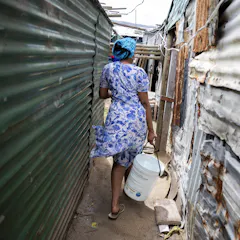
Two interventions proved effective in reducing men’s perpetration, but not women’s experiences of violence.

Women and children remain vulnerable to harm even after intimate violence has occurred. Coordinating a community’s response can help avoid educational, employment, social, housing and legal problems.

New laws in the UK have led to convictions for a range of deplorable behaviours used to control partners in relationships. It’s time Australia reconsidered introducing such legislation here.

What’s often missing from domestic violence responses are investments and strategies to stop men perpetrating violence in the first place.

Very few women, especially those married, feel protected by the domestic violence laws in Sierra Leone.
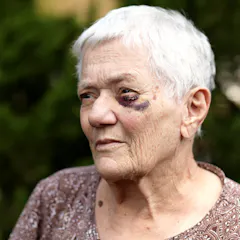
From aggressive patients with Alzheimer’s to frustrated caregivers, dementia is increasingly entwined with violence in private homes and residential facilities.

As lawmakers debate the future of the primary federal program aimed at ending domestic violence, one scholar says the criminal system supported by the legislation isn’t the way to stop that violence.

Associated with intimate partner violence, there are many ways in which reproductive choice is taken away from women.

Domestic violence in pregnancy not only causes distress and trauma for the mother, it also poses serious risks for the baby’s health and development.
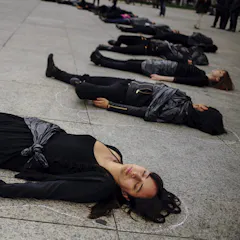
Globally, one third of women suffer violence at the hands of someone they love. And for those who survive domestic abuse, traumatic head injury can be the devastating outcome.

Are claims that intimate partner violence is the leading cause of death for Australian women aged 18-44 substantiated?

Women everywhere have low status relative to men. This is a global phenomenon and there are no exceptions, and there is much work to be done in Canada and everywhere. The time is now.
New laws are often seen as an answer in tackling intimate partner violence, but our research shows it is not always the best response.

The famous feuding Gallagher brothers of the rock band Oasis illustrate what research shows: Kids who grow up in homes where there is domestic violence often grow up to have troubled relationships.

In the last few years, significant resources have been devoted to changing attitudes towards domestic violence – so why aren’t the numbers going down?
Top contributors
-

Professor (Practice), Faculty of Business and Economics, Monash University
-
Managing Director, Her Story Consulting & Postdoctoral fellow, Australian National University
-
PhD Candidate, Western University
-
Professor of Family Violence Prevention, The University of Melbourne
-
Eleanor Rathbone Chair of Sociology, University of Liverpool
-
Research Scientist, African Population and Health Research Center
-
Professor of Family and Sexual Violence, RMIT University
-
Professor of Law and Deputy Director of the Centre of Excellence for the Elimination of Violence Against Women (CEVAW), The University of Melbourne
-
Principal Research Fellow, Griffith University
-
Research Technician at RESOLVE (Research and Education for Solutions to Violence and Abuse), University of Manitoba
-
Professor and Co-Lead of the Sexual and Family Violence Program at the Department of General Practice & Primary Care, The University of Melbourne
-
Associate Professor of Public Health, University of Michigan
-
Senior lecturer, University of Exeter
-
Postdoctoral Research Fellow, University of Tasmania
-
Lecturer in Criminology, University of Liverpool