
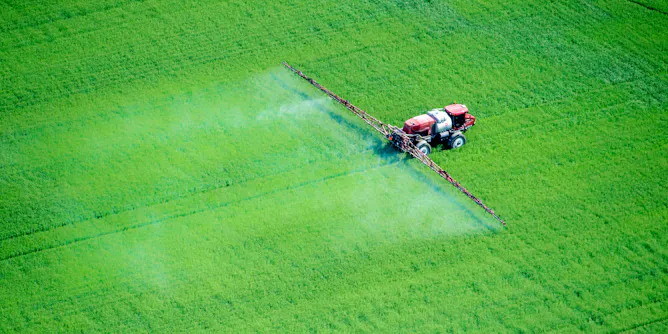
Published in 1962, ‘Silent Spring’ called attention to collateral damage from widespread use of synthetic pesticides. Many problems the book anticipated persist today in new forms.
Articles on Neonicotinoids
Displaying all articles
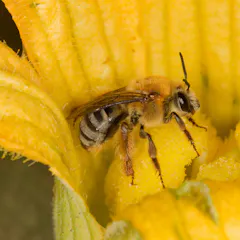
EU-banned pesticides could not only threaten wild bees where they eat, but where they sleep too.
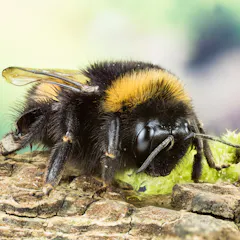
Chemicals banned in the EU were recently granted an exemption for limited use in the UK.
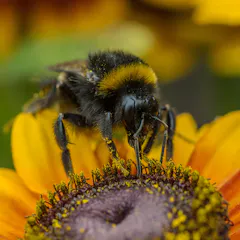
Regulators are still licensing insecticides without properly assessing whether they harm the wildlife on which we rely.
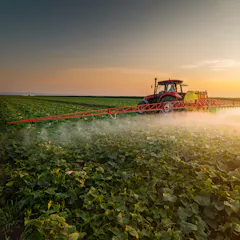
Pesticides have become almost essential for agriculture, but their misuse can have negative effects on crops too.

Wild bees pollinate trees and shrubs that feed and shelter wildlife, provide flood control, prevent soil erosion and help regulate the climate.
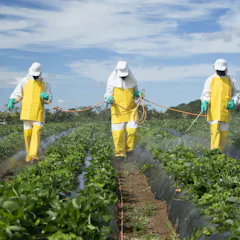
Most studies on the use of pesticides are funded by those that produce the chemicals but only independent research can inform us about the best agricultural practices.
The six food trends likely to be front and centre in 2019.
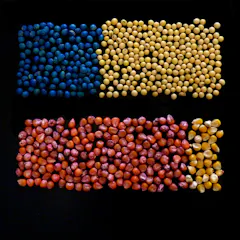
US farmers are planting more and more acres with seeds coated with neonicotinoid pesticides. An ecologist explains why this approach is overkill and may be doing more harm than good.
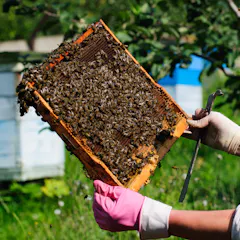
Meta-analysis studies have made it possible to sort through apparently contradictory research by looking at the bigger picture.
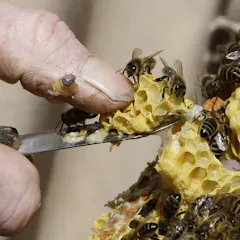
Australian bees have so far avoided the ‘colony collapse’ devastating hives around the world, but there’s growing pressure for a ban on certain insecticides blamed for bee deaths.

The Conservatives seem desperate to convince us of their new green credentials.
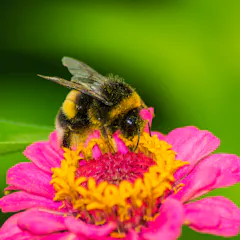
Exposure to neonicotinoids could lead to fewer bumblebee colonies, less pollination, and ultimately to population extinctions.
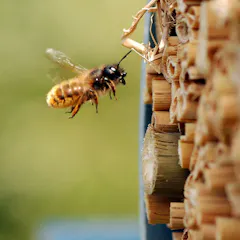
Here’s how to take the sting out of these harmful pesticides.
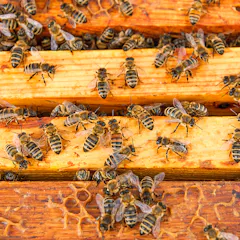
Two large-scale studies confirm that neonicotinoid pesticides can harm bees. But the effects vary widely in different countries, suggesting that calls for a world ban would be premature.
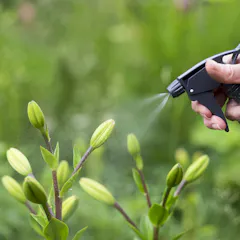
When working with garden chemicals, always make sure you are wearing gloves. Apply sprays and dusts downwind and wear goggles if necessary. Always follow the directions.
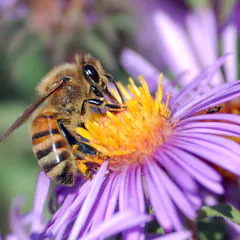
The UK government is prepared to accept funding for studies on the risks of pesticides to bees and other pollinators from the manufacturers of the chemicals in question. Not surprisingly, this raises uncomfortable…
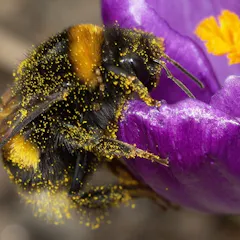
The controversial ban on neonicotinoid insecticides comes into effect across the EU this weekend. Neonicotinoids, or neonics, are powerful neurotoxins, killing insects with minute doses and impairing their…
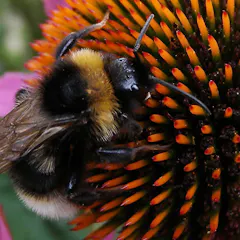
The EU banned the use of neonicotinoid pesticides for two years in April, after a sustained campaign by beekeepers, green groups and environmental organisations across Europe. These groups are convinced…
Top contributors
-

Professor of Biology (Evolution, Behaviour and Environment), University of Sussex
-
Professor of Entomology and Extension Specialist, Penn State
-
Ecological Entomologist, UK Centre for Ecology & Hydrology
-
Research Associate, University of Guelph
-
Professor, Food Economics, University of Guelph
-
Senior Lecturer in Pharmacology, Adelaide University
-
Professor, Dept of Food, Agricultural and Resource Economics, University of Guelph
-
Professor of Evolutionary Ecology & Conservation, Royal Holloway, University of London
-
Associate Professor, Queensland University of Technology
-
Professor of Ecology and Entomology, Te Herenga Waka — Victoria University of Wellington
-
Lecturer in Sociology, University of Manchester
-
Professeur en chimie environnementale, Université de Montréal
-
Associate Professor, Faculty of Environmental and Urban Change, York University, Canada
-
Associate professor, University of Nebraska – Kearney
-
Postdoctoral Research Fellow, University of Texas, at Austin, The University of Texas at Austin