

Once-lethal insecticides now require concerningly high concentrations to effectively kill mosquitoes. Some mosquitoes are already immune to all classes of insecticides used to control malaria.
Articles on Insecticide resistance
Displaying all articles
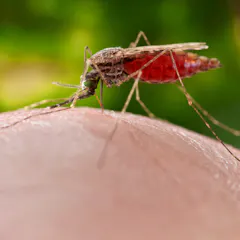
In a sense, a malaria-transmitting mosquito is a sick mosquito. This is where bacteria can help.
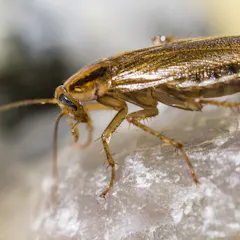
Using DNA sequencing, the origins of one of the world’s most common insects, the German cockroach, have been traced back to Asia. Learning more about this urban pest can help us fight it effectively.

Methods that don’t rely on insecticides are needed to bolster the fight against mosquito-borne diseases.

Insecticide resistance is a growing threat to malaria control efforts globally. It is, thus, important to keep a close eye on vector mosquito populations in affected areas.

This year’s unprecedented fall armyworm invasion has laid waste to lawns, athletic fields and crops. Is it a fluke? When will it end?
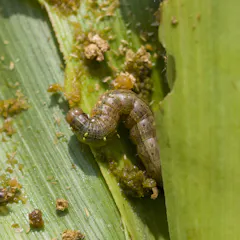
The rice-eating fall armyworm has spread across Asia in a year and is now found in half the provinces of China.
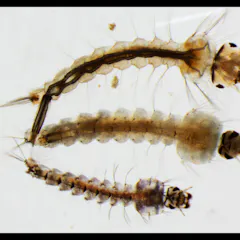
Researchers are only beginning to understand the impact of pollution and increased temperatures on the biology of mosquitoes.
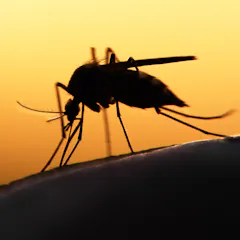
For several billion people mosquitoes are more than a nuisance – they transmit deadly diseases. Now genetic modification may prove the most effective defense against the mosquito, preventing disease.

Epidemiologists and public health managers are looking to complement indoor-based malaria solutions with those that focus on the outdoors. Drones are a crucial part of their armoury.

Eliminating malaria in Africa has been held back by a range of factors, including a lack of funds and drug and insecticide resistance challenges.
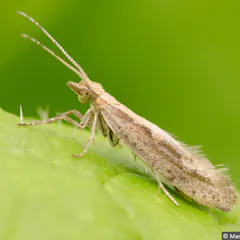
A ‘Biblical swarm’ of ‘super-moths’ from continental Europe is heading to the UK.

Recent news around the world has focused on the dangers of antibiotic resistance. But what of another type of resistance which can also have a huge impact on the population: that to insecticides? Antibiotic…
Plants both anticipate daytime raids by hungry insects and make sophisticated preparations to fend them off, using circadian-rhythm-regulated…
Top contributors
-

Medical scientist, National Institute for Communicable Diseases
-
Professor of Entomology and Disease Epidemiology, Penn State
-
Country Director I-TECH Kenya, University of Washington
-
Associate Professor at the Wits Research Institute for Malaria in the Faculty of Health Sciences, University of the Witwatersrand
-
Research Associate in Evolutionary Biology, Harvard University
-
Associate Professor of Applied Entomology, The University of Western Australia
-
Professor of Insect Chemical Ecology, Keele University
-
Senior Medical Scientist, National Institute for Communicable Diseases
-
Principal Medical Scientist and Head of Laboratory for Antimalarial Resistance Monitoring and Malaria Operational Research, National Institute for Communicable Diseases
-
Professor of Entomology and Director of the West Tennessee AgResearch and Education Center, University of Tennessee
-
Former Postdoctoral Research Associate
-
Research Scientist, The University of Queensland
-
Senior Medical Scientist at the National Institute for Communicable Diseases, National Institute for Communicable Diseases
-
Lecturer in Remote Sensing and GIS, Aberystwyth University
-
Research Scientist in Immunology and Infectious Diseases, Harvard University