
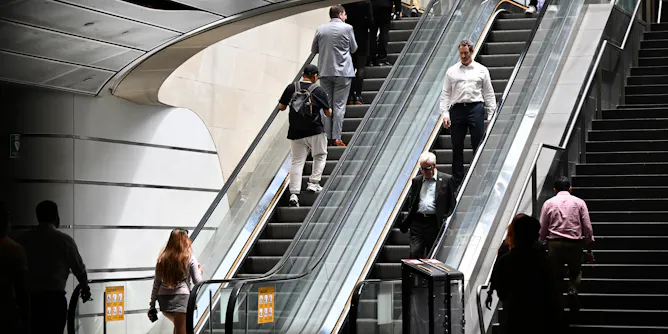
By 2025, 45% of full-time workers in Australia had ‘six figure’ earnings. But years of high inflation mean cracking this threshold doesn’t mean what it used to.
Articles on Inequality
Displaying 41 - 60 of 1185 articles
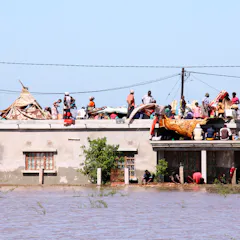
When floods happen, disadvantages mount and people fall further behind.
Unequal access to contraception poses risks to reproductive-age women, families and Nigeria’s development.

Social inequalities emerge in every human society. New research into how these hierarchies form suggests ‘prestige psychology’ – the tendency to defer to expertise – is at the root.

Our findings highlight life-long inequalities in mental health by factors that are down to chance.

Competition for shea trees is rising in west Africa, leaving the poorest women collectors with less access and fewer gains.
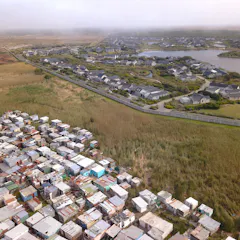
Tax records of the past can inform about governance, markets and inequality today.

For some Swedes, the question isn’t simply whether a wealth tax works, but what kind of society has been lost with its abolition.

Bushfires disproportionately expose disadvantaged communities, and a one‑size‑fits‑all recovery can deepen those inequalities.

2022’s once-in-a-generation health reset improved much about the system – yet everyday access to primary care has become harder for many New Zealanders.

The G20’s legacy so far has been to preserve capitalist financial systems.

Some regimes may be tempted to shut down the internet to maintain stability. But new research shows why reducing the wealth gap has become crucial for maintaining security.
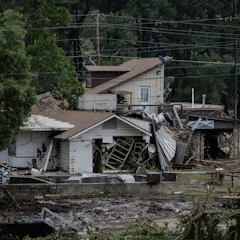
Priced out of ‘safe,’ more and more Americans are moving to flood plains and fire zones.
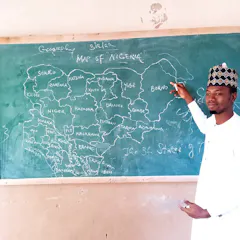
Stronger public investment is needed so families are not forced to pay privately for basic education.

People tend to associate with others who are in a similar financial position, making them underestimate the true levels on inequality.

These extra payments are especially high real estate, financial services and other industries.

There are disparities in provision for children with special educational needs across England.

And part-time work can hit hourly pay by as much as 4%.
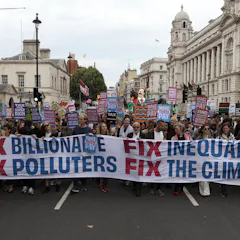
There is a great institutional need for strong inequality analysis. That’s why the world needs to establish an International Panel on Inequality.
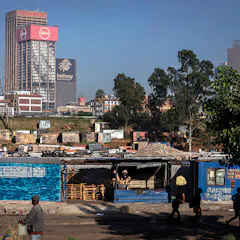
Reducing inequality should be a guiding principle to decisions on climate change.
Top contributors
-

Pro Vice-Chancellor, Climate, Sustainability and Inequality and Director, Southern Centre for Inequality Studies, University of the Witwatersrand
-
Professorial Fellow, University of Canberra
-
Professor of Political Studies, University of Johannesburg
-
Professor of Social Development Studies, University of Johannesburg
-
Professorial Fellow, Jumbunna IHL, University of Technology Sydney
-
Professor, Crawford School of Public Policy, Australian National University
-
Senior Researcher, Southern Centre for Inequality Studies, University of the Witwatersrand
-
Visiting Senior Fellow in History, UNSW
-
Part-Time Professor of Economics, The New School
-
Emeritus Professor, Department of Political Economy, University of Sydney
-
Distinguished Reserach Professor, Southern Centre for Inequality Studies, University of the Witwatersrand
-
Program Director, Housing and Economic Security, Grattan Institute
-
Associate Professor of Family Medicine, Charles R. Drew University of Medicine and Science
-
Senior lecturer, University of Edinburgh
-
Halford Mackinder Professor of Geography, University of Oxford