

Research into inflammation and the microbiome is pushing cosmetic science beyond moisture, wrinkles and the skin barrier.
Articles on Immune response
Displaying 1 - 20 of 65 articles
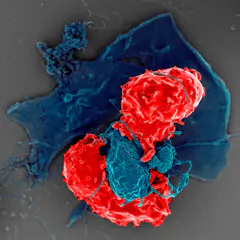
Regulatory T cells help your immune system distinguish between ‘self’ and ‘nonself’ – and can open doors to better treatments for cancer, autoimmune disease and transplant rejection.

My research in mice has shown that immune differences may be a key reason behind why gene therapy can sometimes be less effective in women.

The health secretary has made many inaccurate statements about vaccines. But the science is clear that vaccines have dramatically reduced childhood illness, disability and death.

Immune cells known as neutrophils act as first responders to infection. Research on zebrafish shows light regulates their activity and boosts their ability to kill bacteria.
A growing body of evidence suggests the main driver of MS is an abnormal immune response to Epstein-Barr virus.
The gut microbiome and immune system work closely together. However, as people age, the composition and balance of microorganisms in the gut changes, with fewer beneficial bacteria.
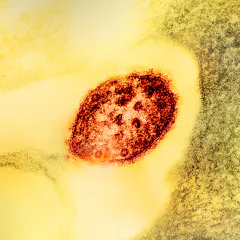
Canada is seeing a surge in measles cases. Find out what measles is, why it’s returning to Canada, and how people can protect themselves and others.
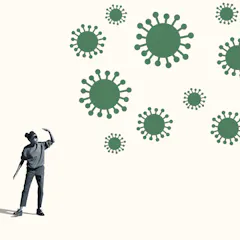
Your immune system is often able to fend off pathogens it’s never seen before. But defending your body against all of them all at once is a tough challenge.
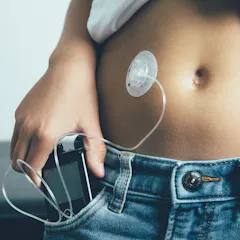
From breast implants to prosthetic knees, implants can trigger a foreign body response that results in your body rejecting them. Suppressing an immune cell gene could reduce this risk.
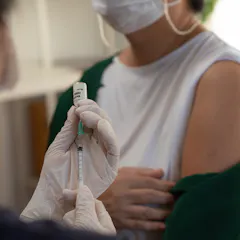
Firstly, there is no such thing as ‘too much’ immunity. Beyond the regular side-effects of a vaccine, there are no known additional risks to being re-vaccinated soon after an infection.

People with Down syndrome have an extra chromosome 21. Understanding the effects of those triplicated genes could help improve the health of those with Down syndrome and other medical conditions.

Inflammation is a complicated and important part of how the immune system responds to threats to the body. But when the inflammatory response goes awry, it can lead to serious problems.

Evidence is growing there are changes to your immune system that may put you at risk of other infectious diseases.

Your blood can hold a record of past illnesses. That information can reveal how many people have had a certain infection – like 58% of Americans having had COVID-19 by the end of February 2022.
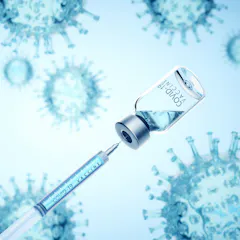
Research suggests that too-frequent immunizations may lead to a phenomenon called “immune exhaustion.”
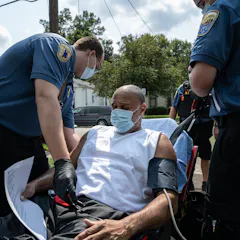
Medications to treat COVID-19 are in no way a substitute for the vaccine. But under the right circumstances, some show great promise for helping patients.
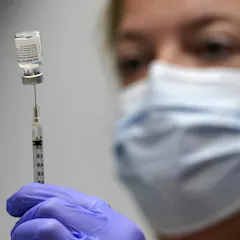
An FDA panel has voted against recommending approval of a booster COVID-19 shot for the general population – disappointing some public health officials.
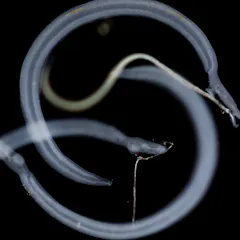
Although there is no evidence yet that it affects COVID-19 vaccines, schistosomiasis, a neglected tropical disease, has been associated with lower vaccine immunity for several vaccines.
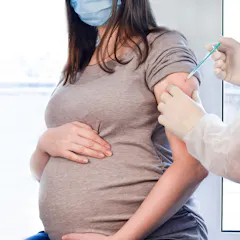
A COVID-19 vaccine does not cause infertility – but it can protect you from the dangerous complications of contracting the virus.
Top contributors
-

Professor of Medicine, University of Virginia
-
Instructor of Human Immunology, Emory University
-
Associate Professor of Viral Immunology, Department of Pathobiology, University of Guelph
-
Professor of Immunology and Associate Dean, Research and Graduate Studies, University of Guelph
-
Professor of Immunology, Tufts University
-
Clinical Assistant Professor of Immunology, University of South Carolina
-
Professor of Pathology, Microbiology and Immunology, University of South Carolina
-
Professor of Pathology, Microbiology and Immunology, University of South Carolina
-
Associate Professor of Microbiology, Immunology & Pathology, Colorado State University
-
Doctoral Student in Genome Sciences, University of Washington
-
Associate Professor, Biochemistry, La Trobe University
-
Research Officer, Institute of Medical Research and Medicinal Plant Studies (Cameroon) and Research fellow, University of Cape Town
-
Associate professor, University of Bath
-
Associate Professor of Anthropology, University of Alabama
-
Professor of Medicine and Vice President, Research, McMaster University