
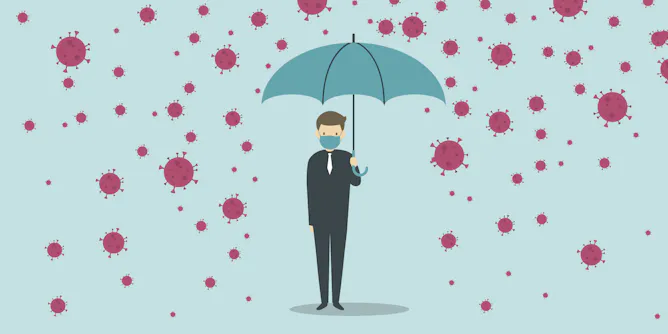
COVID-19 vaccination produces a more consistent immune response than a past infection. With the delta variant, the difference in protection may be even greater.
Articles on Immune response
Displaying 21 - 40 of 65 articles
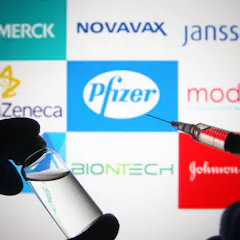
Various companies use different ingredients and different delivery systems in their COVID-19 vaccines. Researchers are investigating whether it’s better for individuals to mix what’s available.
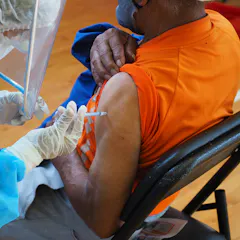
Most shots work best when inserted into muscle. The shoulder muscle known as the deltoid works best.
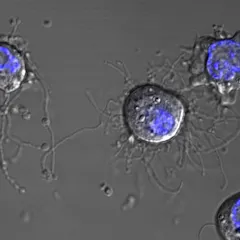
The survival of the human body is a fine balancing act between cell growth and cell death. Understanding our cells’ complex “licence to die” could give us new ways to combat disease.
Many people never experience the least bit of discomfort from the COVID-19 vaccines, but mild side effects are common. They include swelling in the affected arm, nausea and chills.

If you’ve already had the coronavirus and recovered, you might be tempted to give the vaccine a pass. A scientist explains why the shot offers the best protection against future infection.
People who have had COVID will still benefit from having a COVID vaccine. Here’s why.
An immunologist explains that you get some protection from the first dose of the mRNA vaccines but you need two to build up strong immunity, particularly to newer coronavirus variants.

The coronavirus pandemic has driven a lot of scientific progress in the past year. But just as some of the social changes are likely here to stay, so are some medical innovations.

SARS-CoV-2 is much like a zombie virus. It interferes with normal sickness behavior and blocks pain, turning its victims into unsick spreaders of the virus.

The microbes in your gut influence how your immune system reacts to bacteria and viruses. A severe immune reaction is deadly; a small one lets the virus win. The right balance may depend on your diet.
Healing is a complicated process. As people age, higher rates of disease and the fact that old cells lose the ability to divide slow this process down.

Many people object to the added ingredients in vaccines. But pharmacists explain why those fears are unwarranted.
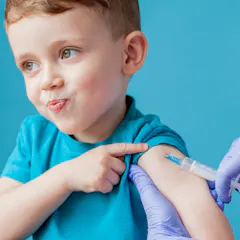
Any COVID-19 vaccine is likely to be given first to higher risk groups before it is given to children. But we still need vaccines that are safe and effective for them too.
A new study is the first to identify sex differences in inflammation and immune cell activation in response to SARS-CoV-2 infection, which causes COVID-19.
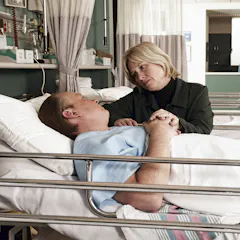
Older coronavirus patients face grimmer outlooks. A virologist explains the aging-related changes in how immune systems work that are to blame.
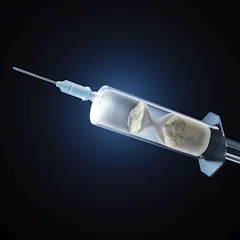
Several vaccines are in Phase 3 trials. So when will we know whether any of these will protect against COVID-19?
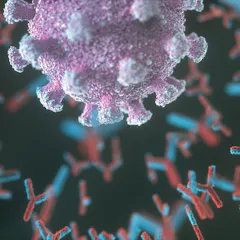
If antibody levels drop dramatically after an infection, what does that mean for immunity? An expert explains how B and T cells contribute to immunity and why antibodies don’t tell the full story.
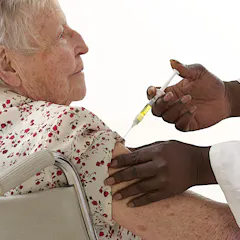
Immunosenescence — the decline of immune system function with age — means that vaccines are not as effective in older adults, the demographic most susceptible to many diseases, including COVID-19.
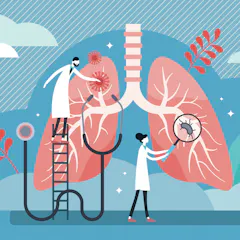
There is a low incidence of asthma in populations infected by parasitic worms. Now research has identified molecules secreted by these worms that could prevent or suppress asthma.
Top contributors
-

Professor of Medicine, University of Virginia
-
Instructor of Human Immunology, Emory University
-
Associate Professor of Viral Immunology, Department of Pathobiology, University of Guelph
-
Professor of Immunology and Associate Dean, Research and Graduate Studies, University of Guelph
-
Professor of Immunology, Tufts University
-
Clinical Assistant Professor of Immunology, University of South Carolina
-
Professor of Pathology, Microbiology and Immunology, University of South Carolina
-
Professor of Pathology, Microbiology and Immunology, University of South Carolina
-
Associate Professor of Microbiology, Immunology & Pathology, Colorado State University
-
Doctoral Student in Genome Sciences, University of Washington
-
Associate Professor, Biochemistry, La Trobe University
-
Research Officer, Institute of Medical Research and Medicinal Plant Studies (Cameroon) and Research fellow, University of Cape Town
-
Associate professor, University of Bath
-
Associate Professor of Anthropology, University of Alabama
-
Professor of Medicine and Vice President, Research, McMaster University