
A rare new disease syndrome appears to be caused by an overactive immune response in children, often hitting weeks after exposure to the SARS-CoV-2 virus.
Articles on Immune response
Displaying 41 - 60 of 65 articles
The disease is more severe in people with obesity, diabetes and hypertension — all conditions linked to changes in the gut microbiome.
‘Normal’ body temperature varies from person to person by age, time of day, where it’s measured, and even menstrual cycle. External conditions also influence your thermometer reading.
It usually takes 10 years for a new vaccine to complete clinical trials, but we’ve been promised a COVID-19 vaccine in 12 to 18 months. Even if such fast-tracked development is possible, is it wise?
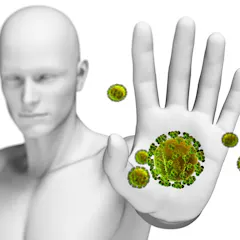
If you have had COVID-19 already, are you protected from another bout of the illness? And is the presence of antibodies in your blood a guarantee of immunity?
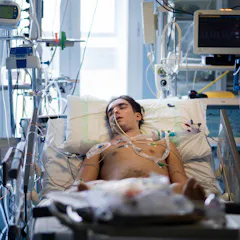
Why does COVID-19 hit men harder than women? Is the disparity in mortality rates due to male hormones or an underlying difference in the male versus female immune system?
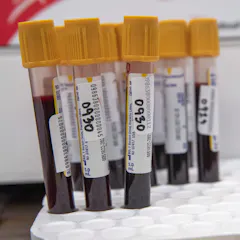
Immunity to COVID-19 may be complicated. Here are the promises and pitfalls of antibody tests.
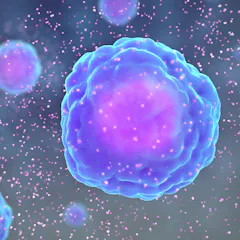
We blame the coronavirus for the thousands of deaths, but it is actually a hyperactive immune reaction that is the cause of death. An immunologist explains.
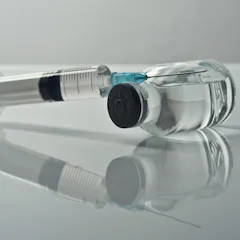
Vaccine development is usually a long process. The coronavirus pandemic is forcing researchers to innovate and test potential vaccines faster than ever before.

Over-active immune response might be behind higher rates of life-threatening COVID-19 infections in patients with obesity.
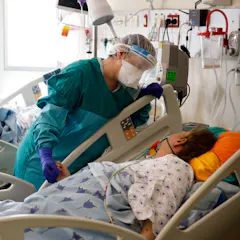
Cytokines ensure our immune system responds effectively to pathogens in our bodies. But in some cases, cytokines can cause the immune system to over-react.
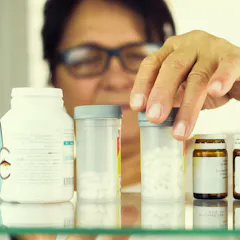
Some people’s immune systems aren’t able to stop foreign invaders, such as COVID-19, as well as the rest of the population. There are many reasons for this, including illness, medications and age.
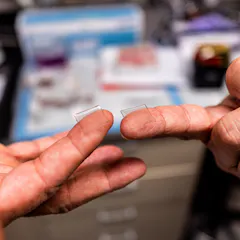
University of Pittsburgh researchers are developing a vaccine patch for COVID-19 that is as easy to apply as a Band-Aid.
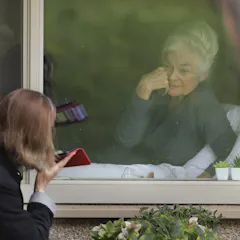
Different demographics are more or less vulnerable to serious complications from the coronavirus. A virologist explains the aging-related changes in how immune systems work that are to blame.
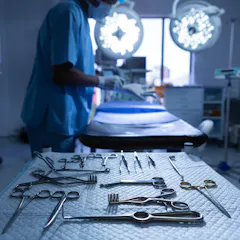
New research supports kidney transplants from HIV-positive donors to recipients with HIV.

An anthropologist works in American Samoa, taking advantage of the island’s longstanding tattoo culture to tease out the effects tattoos have on the body’s immune function.
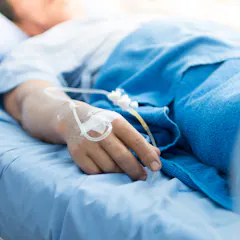
With an ageing population, and the growing threat of antibiotic resistance, now is the time to be worried about sepsis.

Can your kids be too clean? Increases in allergies suggest so. But how much dirt is too much? A pediatric allergist explains the fascinating reasons the immune system needs dirt for training.
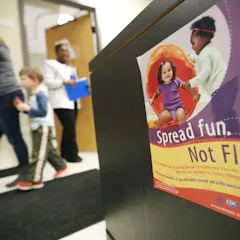
The 2018-2019 flu season was less deadly than the last. But the pattern of infection was unusual, thanks to the various strains circulating and the way flu shots work over time.
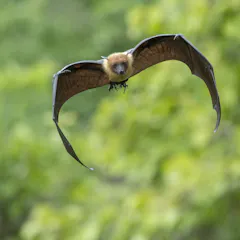
Scientific studies show that bats may carry “coronoviruses” causing SARS and MERS - without showing symptoms of disease. Could the bat immune system be key to human survival in future pandemics?
Top contributors
-

Professor of Medicine, University of Virginia
-
Instructor of Human Immunology, Emory University
-
Associate Professor of Viral Immunology, Department of Pathobiology, University of Guelph
-
Professor of Immunology and Associate Dean, Research and Graduate Studies, University of Guelph
-
Professor of Immunology, Tufts University
-
Clinical Assistant Professor of Immunology, University of South Carolina
-
Professor of Pathology, Microbiology and Immunology, University of South Carolina
-
Professor of Pathology, Microbiology and Immunology, University of South Carolina
-
Associate Professor of Microbiology, Immunology & Pathology, Colorado State University
-
Doctoral Student in Genome Sciences, University of Washington
-
Associate Professor, Biochemistry, La Trobe University
-
Research Officer, Institute of Medical Research and Medicinal Plant Studies (Cameroon) and Research fellow, University of Cape Town
-
Associate professor, University of Bath
-
Associate Professor of Anthropology, University of Alabama
-
Professor of Medicine and Vice President, Research, McMaster University