
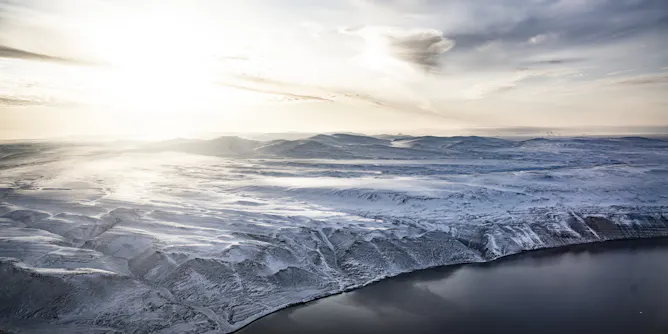
We don’t yet fully understand what global climate tipping points mean for Australia. But we know enough to conclude the impacts of passing one or more tipping points must now be considered.
Articles on Ice sheets
Displaying 21 - 40 of 78 articles
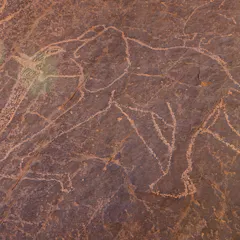
The Sahara Desert is green and vegetated every 21,000 years. A climate model shows why.

Pine Island Glacier passed a tipping point decades ago, and it could do again in the future.

Back when there were Arctic alligators and turtles, ‘polar stratospheric clouds’ kept their world warm. Research suggests these clouds contribute to the ‘missing warming’ in climate models.
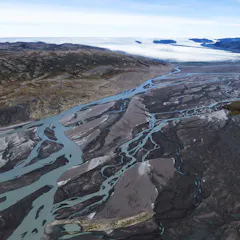
The soil was extracted during the Cold War from beneath one of the U.S military’s most unusual bases, then forgotten for decades.
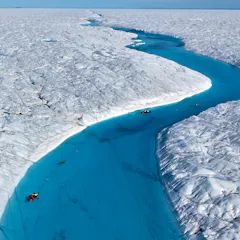
Glaciologists are discovering new ways surface meltwater alters the internal structure of ice sheets, and raising an alarm that sea level rise could be much more abrupt than current models forecast.
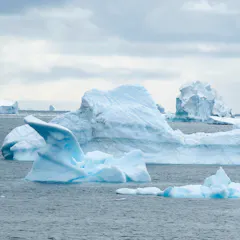
Icebergs don’t just pose a risk to ships – they have a profound impact on the natural world and human societies.
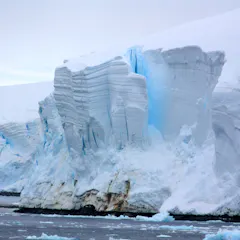
Seafloor landforms reveal that ice sheets can collapse at 600 metres per day.
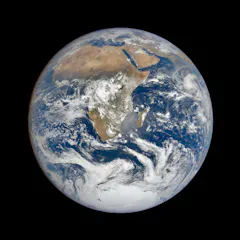
A new image has been taken of the whole Earth 50 years after the first - revealing noticeable changes to its surface.
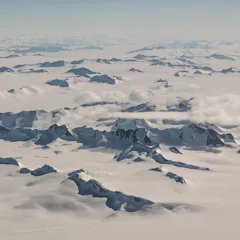
Scientists used satellites to map tens of thousands of glacial landforms in Antarctica’s highest mountains.
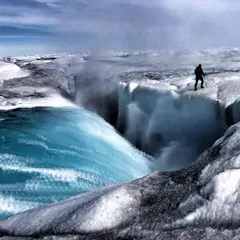
A field glaciologist explains the changes scientists are now seeing.
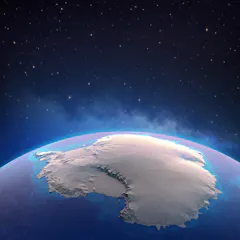
But new research offers some hope if we are able to keep climate change under control.
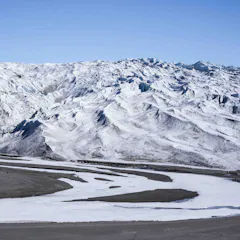
The Earth has had at least five major ice ages, and humans showed up in time for the most recent one. In fact, we’re still in it.
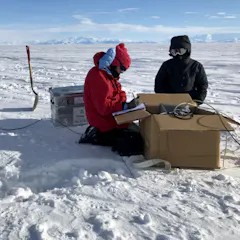
Liquid water below the ice determines how fast an ice stream flows. As the ice sheet gets thinner, more of that salty groundwater could rise.
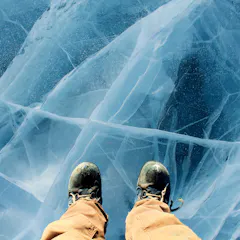
Melting lakes on ice shelves can widen cracks within them - new research shows how these lakes change across the world’s largest sheet.
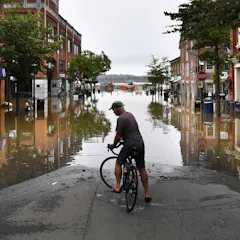
A sea level scientist explains the two main ways climate change is threatening the coasts.
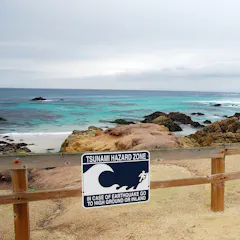
Climate change doesn’t just affect the atmosphere and the oceans, it affects the Earth’s crust as well.

Sea ice is thinning at an alarming rate. Snow is shifting to rain. And humans worldwide are increasingly feeling the impact of what happens in the seemingly distant Arctic.
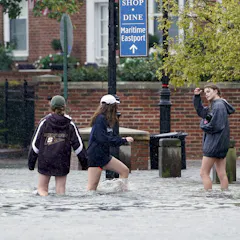
Climate change is making ocean levels rise in two ways. It’s a problem that will endure even after the world stabilizes and slashes greenhouse gas pollution.
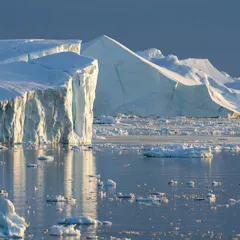
Three things define an ice age: Earth has to be cold enough for a long time, ice grows to cover significant areas, and it lasts for millions of years.
Top contributors
-

Professor of Natural Resources and Environmental Science, University of Vermont
-
Antarctic Research Fellow and Senior Lecturer, Monash University
-
Professor of Glaciology, Fulbright Scholar, University of Tromsø
-
Professor in the Department of Geography, Durham University
-
Professor of Earth Observation, University of Leeds
-
Associate Professor of Geoscience, University of Arizona
-
Glaciologist, Australian Antarctic Program Partnership, University of Tasmania
-
Professor of Polar Geodesy and ARC Laureate Fellow, University of Tasmania
-
Adjunct professor, UNSW
-
Professor, Scripps Institution of Oceanography, University of California, San Diego
-
Chair Professor, Climate Change Research Centre, UNSW
-
Assistant Professor of Geophysics and Hydrologic Science and Engineering, Colorado School of Mines
-
PhD Candidate in Cryospheric Remote Sensing, Durham University
-
Research Professor of Geography and Director, National Snow and Ice Data Center, University of Colorado Boulder
-
Postdoctoral Scholar, Jet Propulsion Laboratory, California Institute of Technology