
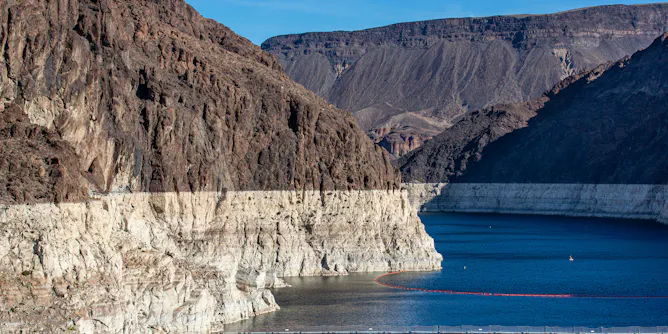
The Colorado River provides water and electricity to 40 million people in the western US, but falling water levels threaten both of those resources.
Articles on Hydropower
Displaying 41 - 60 of 93 articles
Data analysis suggests local activity will intensify the effects of global warming - so adapting means rethinking national development strategies
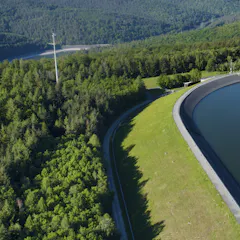
A team of researchers found 35,000 pairs of existing reservoirs, lakes and old mines in the US that could be turned into long-term energy storage – and they don’t need dams on rivers.
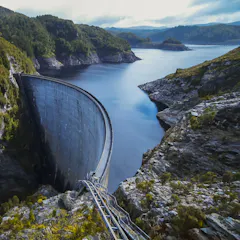
The world hydropower industry has public relations work to do, if its global expansion is to be realised. But stringent oversight is urgently needed.
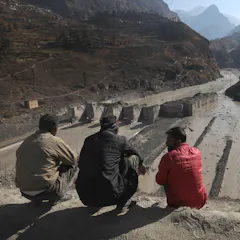
Dams built in an earlier age are suddenly vulnerable as the climate shifts.
Addressing inefficiencies in Ghana’s electricity sector will reduce the need to price in distribution losses

In Australia and around the world, failures in flood warnings can have devastating effects. But ‘humanitarian engineering’ may have the answer.
A study points to one way to speed up adoption of innovations in clean energy technology – more flexibility among state regulators.
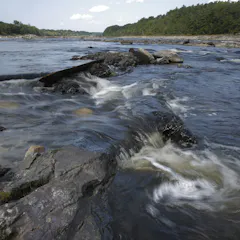
Thousands of dams across the US are aging and overdue for maintenance. Taking them down can revive rivers, restore fish runs and create new opportunities for tourism and outdoor activities.
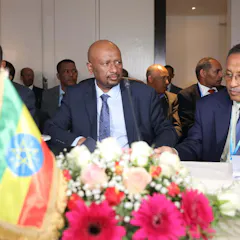
The Nile Treaties prevent upstream countries from using the waters of the Nile without the consent of those downstream. This results in an Egyptian bias.

Sea levels are rising, while deltas are being starved of sediment by upstream dams.
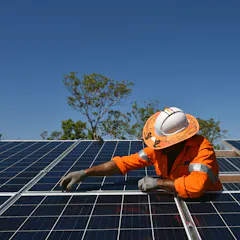
Australia’s renewables revolution proves that there’s cause for hope in our emissions reduction goals. But we cannot rest on our laurels.
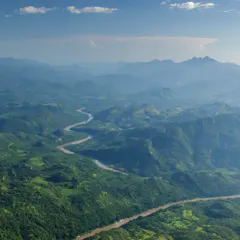
Thousands of hydropower dams are under construction around the world. New research shows that by cutting off sediment flow, these dams can have big ecological effects on far-off bays and deltas.
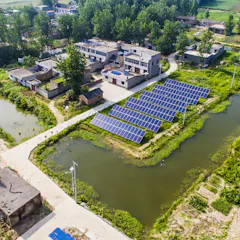
Small-scale renewable energy projects can power rural areas not connected to the main grid. But investors may hesitate if future electrification remains unpredictable.

Even before the British billionaire invested US$1 billion in making the region ‘climate-smart,’ Jamaica, Barbados and Dominica were pioneering a renewable energy boom in the Caribbean.
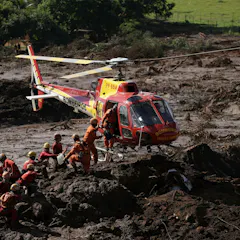
Nearly 1,800 Brazilian dams are at risk of failure, according to the government. Fixing them is expensive – but ignoring aging dams can have considerable social, economic and environmental costs.

Brazil’s new president could clear the way for plans to develop remote areas around the Tapajos River basin over the objections of the indigenous people who live there.
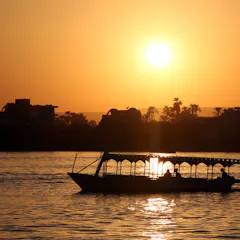
The threat to use force to defend Egypt’s right to water from the Nile has been a common theme through successive governments.
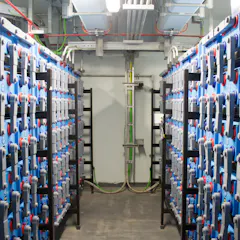
France, Germany and other European countries are increasing their use of renewable energy sources as well as storage solutions to help overcome their intermittent nature.
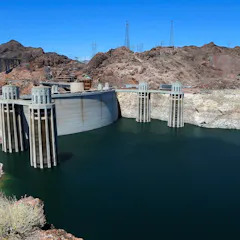
Taking millions of gallons of water permanently out of the Colorado River amid a prolonged drought would surely start an interstate fight.
Top contributors
-

Professor of Engineering, Australian National University
-
Regents Professor Emeritus and Morris K. Udall Professor of Law & Public Policy Emeritus, University of Arizona
-
Associate Professor of Environmental Management and Systems Engineering, George Washington University
-
Professor of Physics, University of Johannesburg
-
Ph.D. Student in Civil Engineering and Climate Science, Penn State
-
Posdoctoral Researcher in Local Energy Systems, University of Oxford
-
Researcher in International Relations and Politics, Development Studies and Borders, Indian Institute of Technology Guwahati
-
Professor Emeritus of Political Science, University of Utah
-
Professor in Organisation & Sustainability, University of Exeter
-
Research Fellow, ANU College of Engineering and Computer Science, Australian National University
-
Principal Scientist & Programme Leader of Southern Hemisphere Climates and Environments, National Institute of Water and Atmospheric Research (NIWA)
-
Visiting Adjunct Professor, School of Governance, University of the Witwatersrand
-
Professor Emeritus of Latin American Studies and Geography, University of Florida
-
Postdoctoral Researcher, TROPIBIO Project, Universidade do Porto
-
Senior Media Relations Officer, London School of Economics and Political Science