
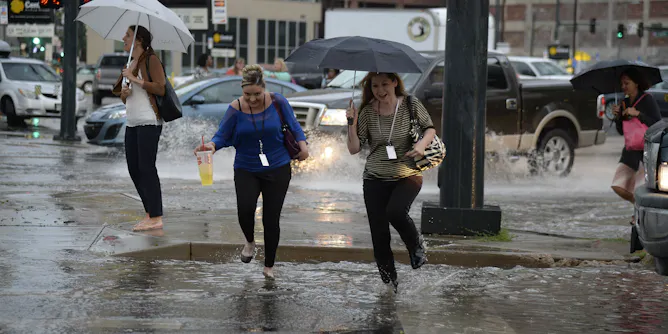
Even though annual precipitation is rising nationally, the landscape is drying out more rapidly. That’s changing the water cycle.
Articles on Hydrological cycle
Displaying all articles
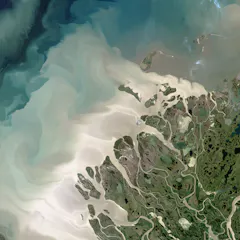
A new study shows how thawing permafrost and intensifying storms will change how water moves into and through Arctic rivers.
‘Green water’ is essential for healthy soils and a benign climate, but it’s under threat.
Groundwater is the second-largest store of water on Earth. Governments and industry use groundwater reservoirs to store waste, but it may also have environmental functions that haven’t been revealed.
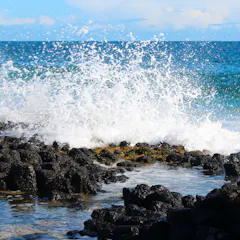
The water cycle is intensifying as the world warms, bringing heavier downpours and longer droughts.

We modelled surface water across Africa to show which parts of the continent are climatically-suitable for malaria – and how this will change.
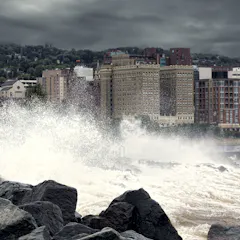
Over the past 20 years, Great Lakes water levels have gone from sustained multiyear lows to multiyear highs. Climate change is accelerating the transition between dry phases and wet phases.
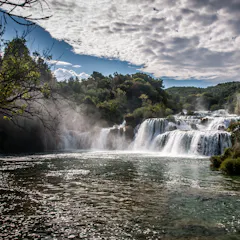
While making small volumes of pure water in a lab is possible, it’s not practical. The reaction is expensive, releases lots of energy, and can cause really massive explosions.
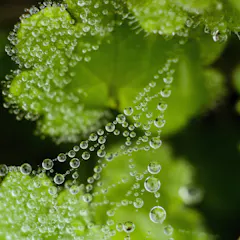
When water turns from a gas into a liquid, it forms droplets. Whether those droplets are dew or rain depends on where the droplet forms.
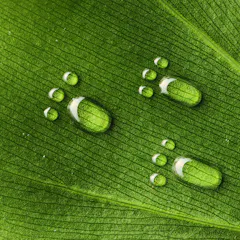
Footprints get people thinking about their own impact, but for water the analogy simply doesn’t work.
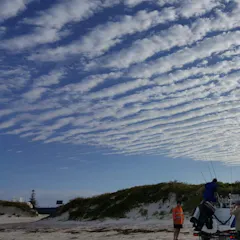
Clouds formed by rising warm air currents are called ‘convection clouds’. Because of all the rising air coming up, these clouds can be bumpy on top, sometimes looking like cotton wool or cauliflower.
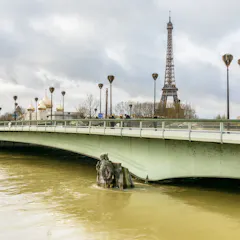
It was the Seine’s rise and fall, in response to heavy rain, that inspired our current understanding of river systems.
Top contributors
-

Professor, Department of Hydrology and Atmospheric Sciences, University of Arizona
-
Honorary Fellow, Infrastructure Engineering, The University of Melbourne
-
Low Carbon Manager, Aberystwyth University
-
Associate Professor, University of Notre Dame Australia
-
Hydrologist, Flood Forecaster, Australian Bureau of Meteorology
-
Lecturer in Geomorphology and Geomatics, University of Birmingham
-
Professor, Department of Civil, Geological and Environmental Engineering and School of Environment and Sustainability, University of Saskatchewan
-
Global Professor in Water & Planetary Health, University of Lincoln
-
Professor of Ocean-Atmosphere Interaction, National Oceanography Centre
-
Assistant Professor of Geosciences, University of Rhode Island
-
Researcher and Theme leader, Anthropocene Dynamics, Stockholm Resilience Centre, Stockholm University
-
Emeritus Fellow, Marine Physics and Ocean Climate, National Oceanography Centre
-
Associate Director, Climate System Research Center and Associate Professor of Climatology, UMass Amherst
-
Professor of Water Science & Heath, University of Leeds
-
Professor Emeritus of Climate and Space Sciences and Engineering, University of Michigan