
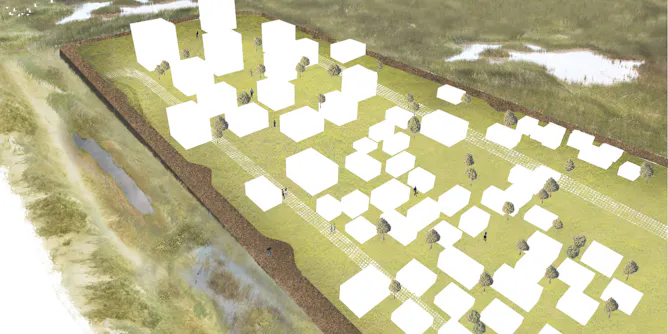
The climate is changing. Development patterns that have hardly served us well in the past certainly won’t serve us well in the future. Now is the time to adapt.
Articles on Hurricanes 2015
Displaying all articles
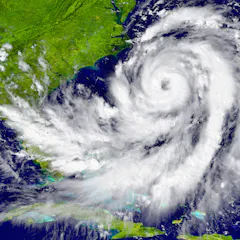
A look at the Florida insurance market following the flurry of severe hurricanes in 2004-2005 shows that pooling risk can cut losses.
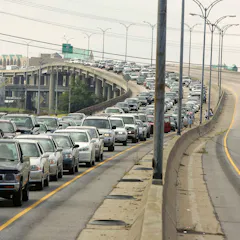
Hurricanes can be deadly to those in their path. Officials don’t want to unnecessarily alarm before solid forecasts are in place, but residents need enough time to prepare and heed evacuation orders.
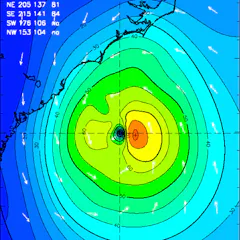
Everybody wants a quick shorthand for a storm’s damage potential. But the index we hear used most often isn’t the best option.
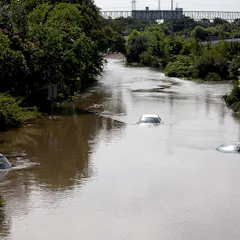
The National Flood Insurance Program – the only source for flood-prone property protection – is drowning in debt.
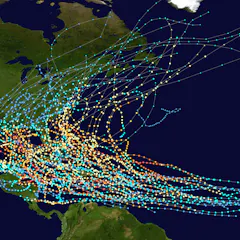
We’re no longer caught off guard when hurricanes make landfall, the way people were into the early 1900s. Better communications, measurements and observations all feed into better forecasts and more warning.

Forecasting successes can breed complacency in the general public. But all hurricane damage isn’t necessarily contained within the “cone of uncertainty.”
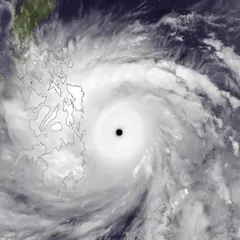
New analysis shows that warmer ocean temperatures in the Pacific are creating more intense typhoons.
Top contributors
-

Assistant Professor of Earth, Marine and Environmental Sciences, University of North Carolina at Chapel Hill
-
Branch Chief Hurricane Specialist Unit at the National Hurricane Center, National Oceanic and Atmospheric Administration
-
Hold Professor of Risk Management and Insurance, Florida State University
-
Associate Professor of Global and Sociocultural Studies, Florida International University
-
Associate Professor of Meteorology, Florida State University
-
Associate Professor of Architecture, New Jersey Institute of Technology
-
Senior Professional Staff, Johns Hopkins University
-
Distinguished Research Professor of Earth Sciences, Florida International University
-
Atmospheric Scientist, Florida State University