
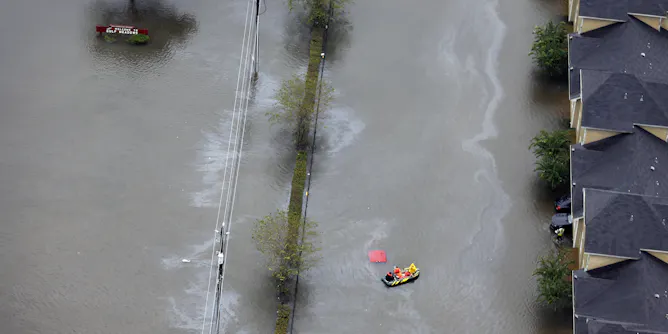
It’s not just about rebuilding infrastructure after storms: Cities need to systematically rethink their knowledge systems which are at the heart of urban resilience.
Articles on Hurricane Harvey
Displaying 21 - 40 of 68 articles
Slashing government spending on housing and scrapping a key financing option for new units would make it harder than ever for low-income Americans to keep a roof over their heads.
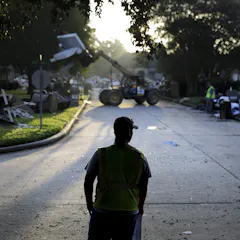
Epidemiologists study disease outbreaks in populations to determine who gets sick and why. In the wake of this year’s hurricanes, they are assessing impacts from mold, toxic leaks and other threats.
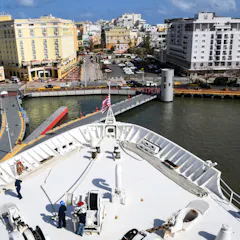
The military can make a big difference right away but humanitarian deployments should generally be rare and brief.
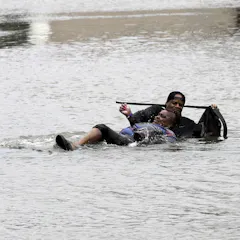
Natural disasters expose people to toxic gases, bacterial illness and other serious dangers. How can people maximize their safety as they return home?
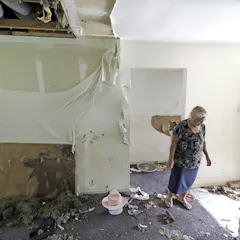
Even when power is restored and floodwaters have receded after hurricanes, mold can still be a big problem. There are some things you can do on your own, but the damage can be extensive.
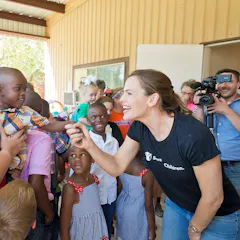
After a hurricane strikes or an earthquake makes shockwaves, support nonprofits that are clear about what they do and how they will spend your money.
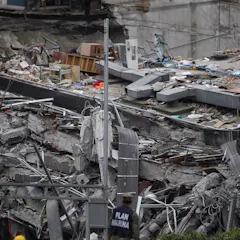
An expert in post-disaster reconstruction explains what works, and what doesn’t, when it comes to rebuilding a city.
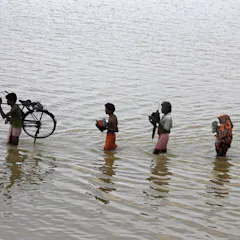
There is increasing evidence from across many African and South Asian countries that contextual, timely climate information, helps farmers manage the risks they face.
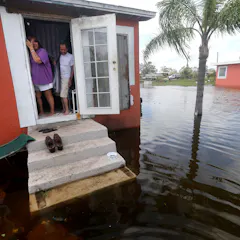
The bills now pending in Congress won’t do what it will take.
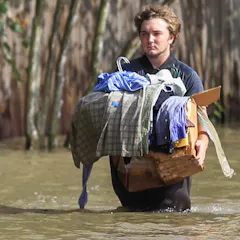
The insurance industry should help its customers prepare for future catastrophes instead of burying it’s head in the sand.
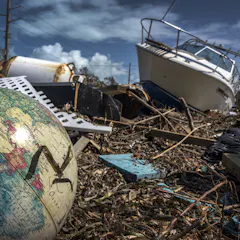
To deliver climate justice we must focus on vulnerable people not countries.
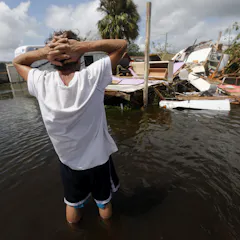
For the first time in years, Americans are acutely aware of the perils of extreme weather, but don’t expect views on climate risks to shift overnight.
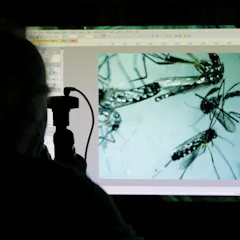
Vast amounts of standing water in Houston and other hurricane-flooded areas are dangerous not only because of toxins. The water is a dangerous breeding ground for mosquitoes that transmit Zika.
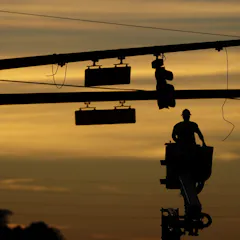
As Texas and Florida rebuild after Hurricane Harvey and Hurricane Irma, they should plan for future climate change and design infrastructure that can respond to and recover from extreme events.
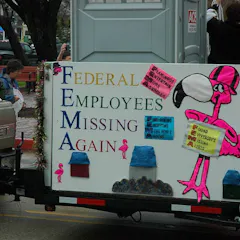
Is the Federal Emergency Management Agency ready for the new era of disasters?
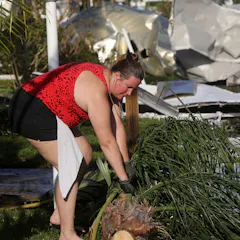
The desire to help during emergencies like Hurricane Irma is admirable. Doing some homework might make your contributions go farther.
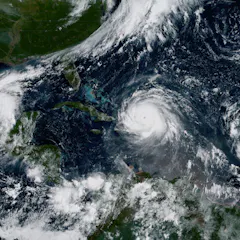
What scientists know – and don’t know – about the linkage between climate change and hurricanes.
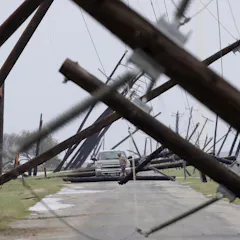
Would putting power lines underground avoid hurricanes knocking out electricity service for millions of people? The answer is not as straightforward as it seems.
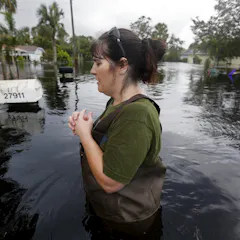
Even in areas predicted to take direct hits from hurricanes and other storms, hospitals must do all they can to stay open. It isn’t an easy task, but preparation and practice help.
Top contributors
-

Furman Public Policy Scholar, New York University
-
Professor Emeritus of Risk Management and Insurance, Georgia State University
-
Professor of Public Administration, Binghamton University, State University of New York
-
ARC Future Fellow and Associate Professor in Climate Science, ARC Centre of Excellence for 21st Century Weather, The University of Melbourne
-
Associate Professor of Geography, University of Alabama
-
Associate Professor, School for the Future of Innovation in Society and The Polytechnic School; Co-Director Center for Smart Cities and Regions, Arizona State University
-
Glenn Family Chair Emeritus of Economics and Philanthropic Studies, Indiana University
-
Research Fellow, American University School of Public Affairs
-
Director, Civilian-Military Humanitarian Response Program, US Naval War College
-
Research Social Scientist, International Institute of Tropical Forestry
-
Senior research scientist, Stellenbosch University
-
Faculty in Medical Toxicology, Brigham & Women's Hospital, Harvard University
-
County Extension Director and Family and Consumer Sciences Agent IV, University of Florida
-
Director of Energy Studies, University of Florida
-
Professor of the Future of Innovation in Society, Arizona State University