
Bypassing planning regulations is likely to have impacts on social inequity and wellbeing that could prove very costly for both governments and people.
Articles on Housing supply
Displaying 21 - 40 of 76 articles
Is Australia ready for a house construction boom? Supply chain constraints say no.
COVID-19 halted immigration and housing affordability got much worse. We’d feel the impacts of internal migration and undersupply of affordable housing even if we again blocked migrants from overseas.
We can construct buildings that reduce atmospheric CO₂ by more than their lifetime emissions. They now don’t cost much more – and a project involving 1.2 million homes would drive costs down further.
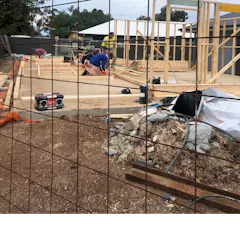
The people with the worst health often live in rental homes likely to make them sicker, and poor policy could make it worse.
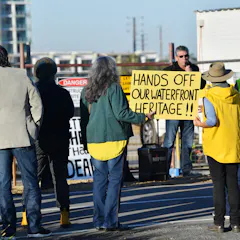
YIMBYs and NIMBYs agree on one thing – they both want to live in desirable heritage neighbourhoods. And despite heritage being blamed for lack of new housing in these areas, it’s not the real issue.
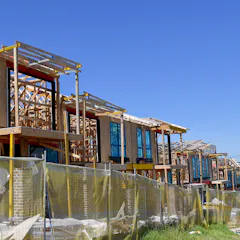
Without innovation in all five building phases, the industry won’t have the capacity to meet market demands or to deliver the social and affordable housing the government is promising.
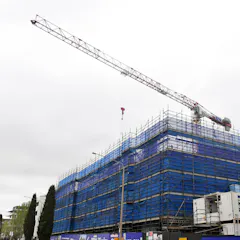
The strategy’s core mission should be to ensure everyone in Australia has adequate housing. That requires 950,000 social and affordable rental dwellings to be built by 2041, dwarfing current targets.

Why are some of the problems with housing stress and homelessness worse in New South Wales than in other states?
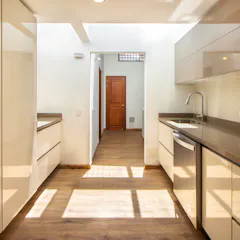
The proportion of housing that’s unoccupied has actually fallen since the last census, but the key issue is most of these dwellings are not in the areas where the need for housing is greatest.

More housing supply doesn’t mean lower prices. If policy-makers want to make homes more affordable, they must tackle developers who drive up prices and consider taxing capital gains on homes.
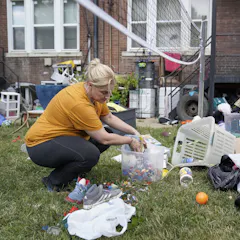
California and other states plan to build more homes in an effort to fix America’s affordable housing problem. But that’s not the main reason housing remains unaffordable for millions of people.

More houses are under construction than ever before, but completions haven’t grown. Instead, building is taking longer.
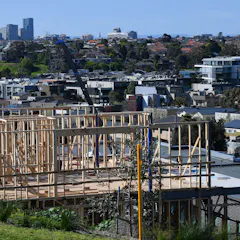
The pledge to build 30,000 homes over the next five years exposes the government’s inaction, but it’s still only a fraction of the number Australians need.

Most local councils, developers and nonprofit providers want mandatory affordable housing requirements applied to all development. The current system of voluntary negotiations just isn’t working well.
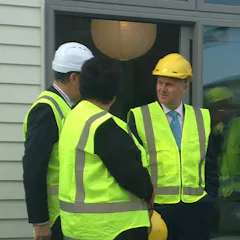
Tracing politicians’ use of the term ‘housing crisis’ reveals it came into common use only in recent years, and then only by opposition MPs. Governments prefer to frame the issues differently.
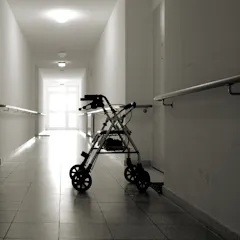
Around 6,000 Australians aged under 65 still live in nursing homes, cut off from their families and peers, with inadequate support for their disabilities.
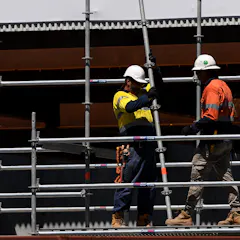
Housing markets never have met the lowest-income households’ needs. Now is the time to tackle problems that have been years in the making by creating a better system to supply their housing.
The problems with housing systems in Australia and similar countries run deep. Solutions depend on a fundamental rethink of our approach to housing and its central place in our lives and the economy.
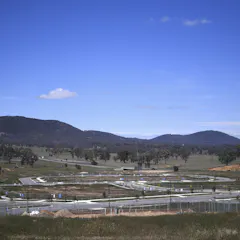
The thing about new housing is you need land to build it on. Developers are able to control its release at a rate that doesn’t put downward pressure on prices.
Top contributors
-

Emeritus Professor of Housing, UNSW
-
Emeritus Professor, Urban Planning and Policy, University of Sydney
-
John Curtin Distinguished Professor, Curtin University
-
Professor of Urban and Regional Planning, University of Sydney
-
John Curtin Distinguished Professor, Curtin Business School, Curtin University
-
Professor of Housing Research, Adelaide University
-
Executive Dean, UniSA Business, Adelaide University
-
Professiorial Fellow, The University of Melbourne
-
Professor Emeritus of Urban Planning, University of Kansas
-
Associate Professor & Global Challenge Lead, Urban Transformations Research Centre, Western Sydney University; University of British Columbia
-
Emeritus Professor of Urban Policy, The New School
-
Head of Urbanism and Associate Professor of Urban Studies, School of Architecture, Design and Planning, University of Sydney
-
Program Director, Housing and Economic Security, Grattan Institute
-
Associate professor in urbanism, University of Sydney
-
Professor of Urban Planning, The University of Melbourne