
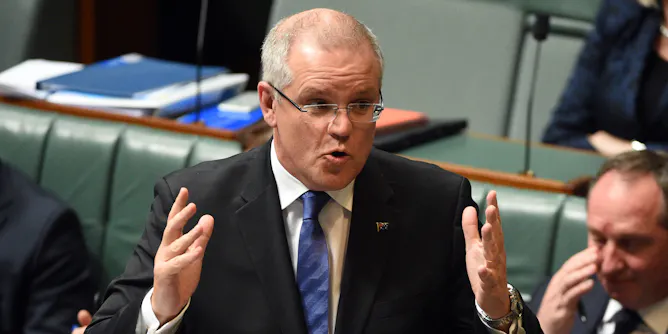
The housing supply solution our leaders are advocating will only work if affordability is simply a problem of supply. In fact, Australia is almost a world leader in rates of new housing production.
Articles on Housing supply
Displaying 61 - 76 of 76 articles

There is a way to get homes where we need them, and it’s about making the most of what we’ve already got.

To tout new housing production as the only solution to rising house prices, without examining the question of demand, is an ineffective policy position.

The new NSW premier is right to identify housing affordability as a priority for the people and economy of Sydney. It’s not just housing supply that’s the problem – action is needed on many fronts.

US GDP data points to a US rate rise in December, and Australia’s housing affordability problem won’t be helped by current declining building approvals.
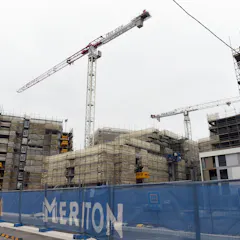
The government says its changes to foreign investment will increase housing supply and make it more affordable, but that’s relying on narrow and possibly incorrect assumptions about investors.

The community needs affordable housing and that requires meaningful targets for new developments. The only ones who will lose out are landholders who make windfall profits from rezoning.

A panel of experts on housing respond to Treasurer Scott Morrison’s speech on improving the supply of housing in Australia.

The need for new housing solutions for these low-income groups is clearly a pressing requirement.
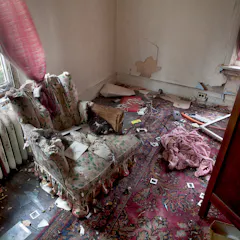
With tenancy laws under review, a ruling that landlords must maintain residential premises in good repair even if dilapidated is hailed as a ‘landmark’ decision. That tells us reform is needed.

New research finds almost a million Australians are living in poor or very poor-quality housing, with more than 100,000 in dwellings regarded as very poor or derelict.
The default position for politicians is to sound concerned about housing affordability, but do nothing. This can be explained by the idea of ‘policy capture’, in this case by industry interests.

What if there was a middle option between retention and abolition that made negative gearing work better? There are multiple ways to improve accountability for this $8 billion-a-year tax concession.
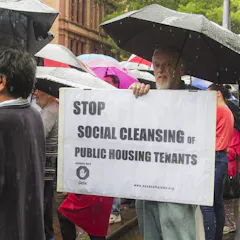
In what looks to be a landmark policy announcement with possible national ramifications, the NSW government has outlined the first phase of a $1 billion fund to develop social and affordable housing.

Allowing first home buyers to tap their super would worsen housing affordability, leave many people with less to retire on, and cost taxpayers in the long run.

Lessons from the sharing economy could provide a housing solution for both buyers and sellers.
Top contributors
-

Emeritus Professor of Housing, UNSW
-
Emeritus Professor, Urban Planning and Policy, University of Sydney
-
John Curtin Distinguished Professor, Curtin University
-
Professor of Urban and Regional Planning, University of Sydney
-
John Curtin Distinguished Professor, Curtin Business School, Curtin University
-
Professor of Housing Research, Adelaide University
-
Executive Dean, UniSA Business, Adelaide University
-
Professiorial Fellow, The University of Melbourne
-
Professor Emeritus of Urban Planning, University of Kansas
-
Associate Professor & Global Challenge Lead, Urban Transformations Research Centre, Western Sydney University; University of British Columbia
-
Emeritus Professor of Urban Policy, The New School
-
Head of Urbanism and Associate Professor of Urban Studies, School of Architecture, Design and Planning, University of Sydney
-
Program Director, Housing and Economic Security, Grattan Institute
-
Associate professor in urbanism, University of Sydney
-
Professor of Urban Planning, The University of Melbourne