
A toothbrush, some toothpaste and a few minutes of care can prevent a life‑threatening infection. That’s rare in modern medicine.
Articles on Hospital acquired infections
Displaying all articles
From MRSA to norovirus, hospital infections remain a global problem. Here’s what they are, how they spread, and how to reduce risk.

Health authorities race to contain fungus that survives routine disinfection.

We discovered how a plastic-eating enzyme made a germ more harmful.

Many infections, including bacterial, fungal and viral infections can lead to sepsis and septic shock.
In hospitals, infection prevention and control cannot be met without a hygienically clean, and safe environment that has an adequate supply of clean running water.
The increased use of disinfectants could allow for the development of bacterial strains which are resistant to disinfectants.
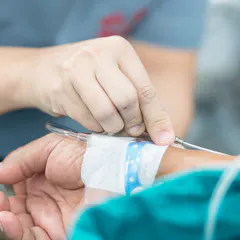
A surprising number of people are catching pneumonia or urinary tract infections in hospital, a new Australian study shows for the first time.
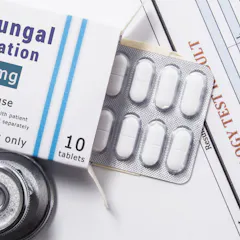
Fungal diseases can be life-threatening for people living with HIV, cancer patients and those admitted to hospital.
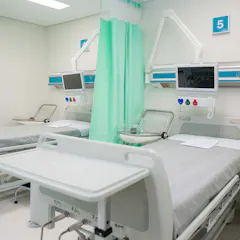
Withdrawing funding for hospital errors might reduce costs, but won’t remove the causes of errors.

The poor quality of hand sanitisers in Kenya poses a health concern. If this market remains unregulated these products might encourage the undetected transmission of infectious pathogens in hospitals.
Top contributors
-

Principal Pathologist, National Institute for Communicable Diseases
-
Professor, Director of Research, Nursing and Midwifery, Monash University
-
Professor of Nursing and Health Services Research, University of Newcastle
-
Head: Centre for Healthcare-Associated Infections, Antimicrobial Resistance and Mycoses, NICD, National Institute for Communicable Diseases
-
Professor: Microbial Biochemical and Food Biotechnology, University of the Free State
-
Epidemiologist, National Institute for Communicable Diseases
-
Research fellow, University of the Free State
-
Senior Pathologist, National Institute for Communicable Diseases
-
Epidemiologist, National Institute for Communicable Diseases
-
Science Research student, University of the Free State
-
Professor, Public Service Research, UNSW
-
Postdoctoral Research Fellow, Biotechnology, Brunel University of London
-
Professor in Microbial Biofilms, University of Southampton
-
Professor of Microbial Evolution at The Milner Centre for Evolution, University of Bath
-
PhD Candidate in Mycology, University of Bath