

A large trial found no evidence that Hepa air filters reduce respiratory infections in care homes, challenging assumptions about their role in infection control.
Articles on Infection control
Displaying 1 - 20 of 67 articles

Six passengers from the hantavirus-struck cruise ship are in quarantine in Australia. So how do we actually design buildings to keep a virus from spreading?
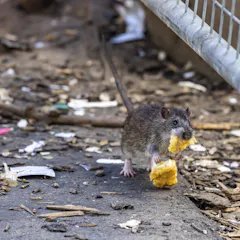
Weak surveillance and climate change could allow deadly hantaviruses to spread unnoticed across African countries, raising the risk of future outbreaks.

An infection control expert explains why sharing your razor, towel or toothbrush isn’t such a great idea.
It might feel like an odd or even slightly stomach-churning topic, but it’s a remarkably common question.
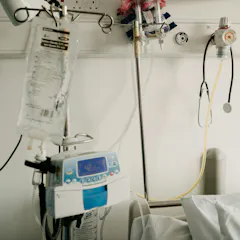
A new study has found improving cleaning practices in hospital could make a big difference. Here’s what the researchers did.
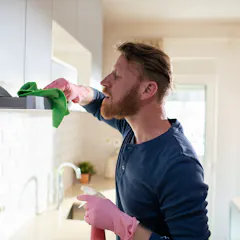
Perhaps mid-way through cleaning your kitchen or bathroom you’ve wondered why no disinfectant seems to be able to get rid of 100% of germs.

Multi-patient rooms are the status quo for hospitals in New Zealand. But this breaches best practice for healthcare and infection control protocols, as well as the rights of vulnerable patients.
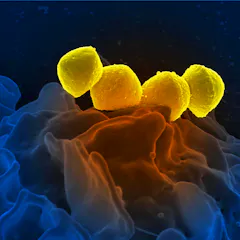
An increase in serious illnesses caused by group A Streptococcus has recently made Strep A a growing concern in Canada and elsewhere. Here’s why and how it’s spreading, and what symptoms to look for.

An expert in infection prevention and control explains.
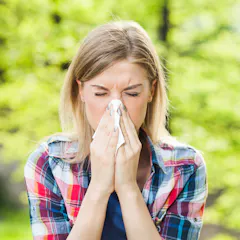
The answer might surprise you.

Health workers who picked their noses were more likely to contract COVID, according to a new study. But here’s what the study means for the rest of us.
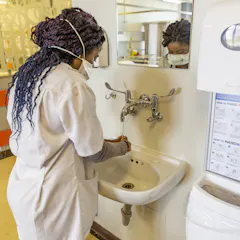
In hospitals, infection prevention and control cannot be met without a hygienically clean, and safe environment that has an adequate supply of clean running water.
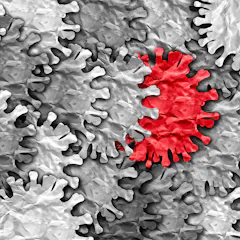
The XBB.1.5 subvariant — nicknamed ‘Kraken’ — is arguably the most genetically rich and most transmissible SARS-CoV-2 Omicron subvariant yet.

We’ve learned much from large COVID outbreaks linked to the Ruby Princess and Diamond Princess cruise ships early in the pandemic. But there’s still some way to go.
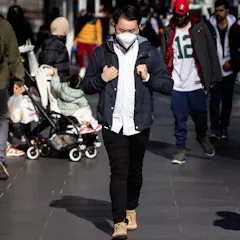
With the goal of ‘business as usual’, politicians will continue to reduce COVID protections without immediate consequence while transmission is low. But then the next wave will come.

A large proportion of primary school aged kids get infected with pinworm at some time – and yes, it can make them pretty moody.

Before COVID-19, clean water, antibiotics and vaccines had made us complacent about infectious disease. Infection control can no longer be taken for granted. We must be prepared for future pandemics.

After two years of COVID-19, it’s understandable that many people are weary of infection prevention measures. But simply being tired of the pandemic is no reason to let our guard down.
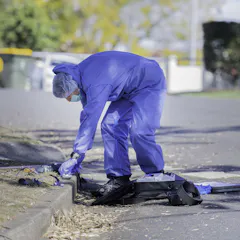
There are no COVID-specific protocols for forensic officers collecting evidence from crime scenes. New recommendations suggest how teams and their equipment can be reorganised to minimise the risk.
Top contributors
-

Professor of Nursing and Health Services Research, University of Newcastle
-
Professor, Director of Research, Nursing and Midwifery, Monash University
-
Professor of Global Biosecurity, NHMRC L3 Research Fellow, Head, Biosecurity Program, Kirby Institute, UNSW
-
Professor Emerita, Nursing, School of Nursing and Midwifery, Griffith University
-
Senior Lecturer, Infectious Diseases Epidemiology and Control, UNSW
-
Associate Professor, Epidemiology, Deakin University
-
PhD Candidate, The Kirby Institute, UNSW
-
Senior Lecturer in Environmental Health, CQUniversity Australia
-
Professor, School of Mechanical and Manufacturing Engineering, UNSW
-
UNSW
-
Lecturer, UNSW
-
Research Associate, UNSW
-
Professor, School of Population Health, UNSW
-
Clinical Chair and Professor of Infection Prevention and Disease Control at the University of Sydney, University of Sydney
-
Professor MBBS, PhD, MPH, PGDipEcho, FANZCA, GAICD, The University of Melbourne