

Early identification of abnormal heart rate and blood pressure is crucial to prevent maternal deaths from postpartum haemorrhage and maternal sepsis.
Articles on Sepsis
Displaying 1 - 20 of 29 articles

Reports of infections have left some people wondering whether it’s still worth getting their nails done.
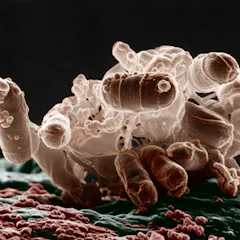
Bacteria don’t quietly die when exposed to antibiotics – they actively respond in ways that in turn change how your body responds to infection.
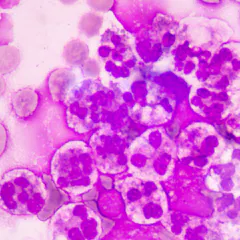
Doctors must treat sepsis quickly to prevent organ failure. But demographic change and drug-resistant infections are making the condition harder to manage.
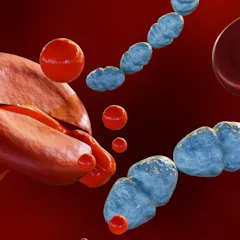
Stroke patients get rehab. Heart attack survivors get follow-up care. Sepsis survivors? Often nothing.

Here’s what causes stomach ulcers and how they can be spotted – or better, prevented.

Strep A usually causes a relatively mild infection or no symptoms at all. But in rare cases, it can cause severe illness.

Sepsis causes 11 million deaths globally each year.

Although patients in England have a right to ask for a second opinion, there’s no legal requirement for doctors to provide one.

Many infections, including bacterial, fungal and viral infections can lead to sepsis and septic shock.
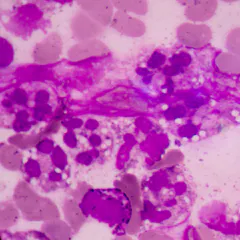
The new M1UK strain of strep A has a dangerous ability to make the disease trigger more toxin release in the body.
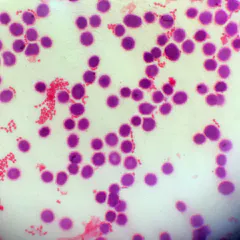
An overactive immune response to infection can be deadly. Studying how one key player called tumor necrosis factor, or TNF, induces lethal immune responses could provide new treatment targets.

While sepsis is considered to be a preventable cause of maternal death, it continues to be a major cause of women dying during or after childbirth, even in Australia.
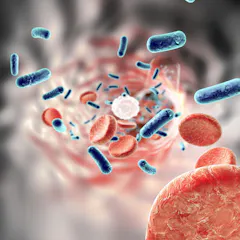
Sepsis onset can be difficult to recognize, in part because its symptoms can mimic those of many other conditions. A treatment delay of even a few hours can make the difference between life and death.

Albert Alexander was the first known person treated with penicillin. While his ultimately fatal case is well known in medical histories, the cause of his illness has been misattributed for decades.
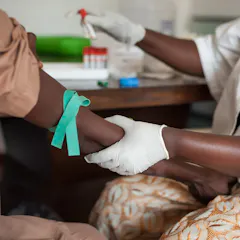
Healthcare workers in sub-Saharan Africa lack access to laboratory diagnostics and often have to guess which antibiotics to use for presumed infections.

With an ageing population, and the growing threat of antibiotic resistance, now is the time to be worried about sepsis.

A surprising number of people are catching pneumonia or urinary tract infections in hospital, a new Australian study shows for the first time.

Sepsis can maim or kill within hours. Here’s how to identify the condition.

No mother wants their baby to develop jaundice, but it turns out that they should probably be grateful.
Top contributors
-

Professor of Precision Therapeutics, School of Pharmacy and Biomolecular Sciences, RCSI University of Medicine and Health Sciences
-
Assistant Professor in Internal Medicine, University of Michigan
-
Associate Professor, University of Michigan
-
Associate Professor and Clinical Academic Gastroenterologist, Western Sydney University
-
Research fellow, University of Dundee
-
Research officer, Macquarie University
-
Professor of Microbiology and Immunology, University of British Columbia
-
Professor of Biochemistry and Biomedical Sciences, McMaster University
-
Manager, Centre for Genome-Enabled Biology & Medicine, University of Aberdeen
-
Associate Director, Scottish Improvement Science Collaborating Centre, University of Dundee
-
Professor of Gut Microbiology, UNSW
-
Honorary Clinical Associate Professor, University of Glasgow
-
Senior Fellow at Research for Social Change, University of Wollongong
-
MB BS Phase 1 Lead & Senior Lecturer in Medicine and Molecular Genetics, University of York
-
Researcher, Department of Medicine for the Elderly, UCL