
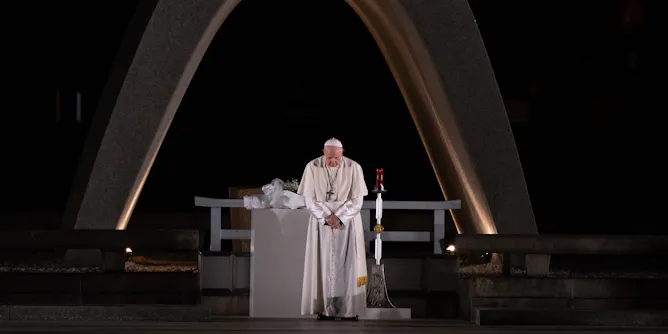
As Pope Francis becomes the first pontiff in the nuclear era to call for total disarmament, all of us – whether secular or religious – can engage through creative and proactive moral responsibility.
Articles on Hiroshima
Displaying 21 - 40 of 47 articles

We might have had a glimpse of new ways of urban living, but history offers a note of caution. Lasting change depends on us applying technology and taking deliberate action to seize this opportunity.
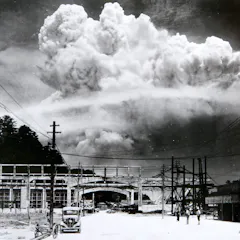
With the risk of a nuclear conflict seeming higher than ever, how much do EU citizens really know about nuclear weapons and their use? A new survey provides striking answers.
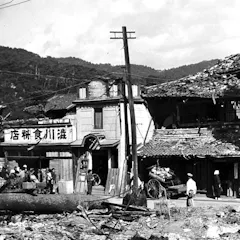
Though it causes great personal pain, Hiroshima’s last remaining orphans still want the world to hear their stories, 75 years on.

According to most physicists, there is no safe dose of radiation. So why would the EPA consider saying otherwise? Who stands to gain if the EPA declares low-dose radiation harmless?

In the 1970s, both Kyoto and Melbourne made fateful decisions about their transport networks. Melbourne today enjoys the benefits of trams, while Kyoto lives with the consequences of losing them.
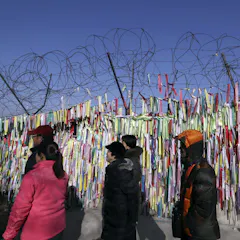
The Trump administration shelved its plans for a ‘bloody nose’ attack while the Olympics in South Korea were under way. With the games over, it’s time to consider the consequences of a strike.
What do intercontinental missiles and Apple’s app store have in common? Alvin M Weinberg.
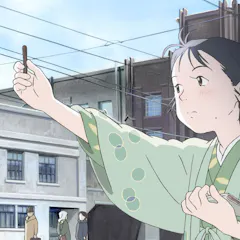
It’s widely known as a crowdfunding record-breaker, but the painstaking work to recreate Hiroshima in a new anime film is a nod to its traditional roots.
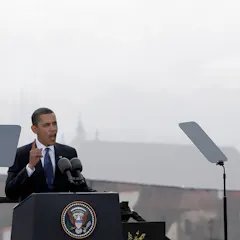
With a $1 trillion modernisation programme signed off and atomic scientists deeply worried about the future, American policy on nuclear weapons is pretty much business as usual.

Is Australia’s reliance on nuclear defence agreements keeping us on the wrong side of history?
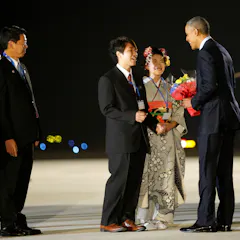
Some are calling on the president to issue an apology when he visits Hiroshima. But an East Asia expert says his visit will focus on remembrance, and explains why that is enough.
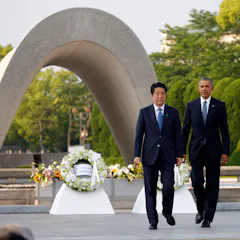
Two prominent MIT physicists ask whether for nuclear weapons, less is more
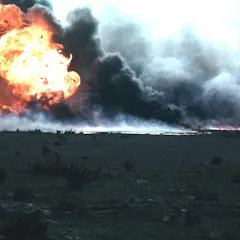
Acts perpetrated during the course of warfare have, through the ages, led to significant environmental destruction.
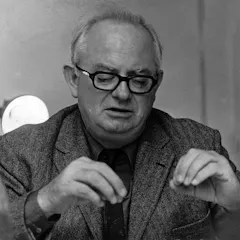
Wilfred Burchett wrote stories about war that the Australian and US governments preferred not to be told. For this, he paid the price.

Hiroshima and Nagasaki were but two cataclysms among many: in the literal sense, they were unremarkable.
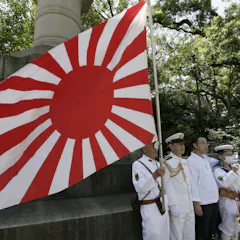
Japan has never apologised for many of the things it did during World War II – and nor does it tell its schoolchildren about them.

Any nuclear weapon exchange or major nuclear plant meltdown will immediately lead to a global public health emergency. What can we learn from past events to help prepare?
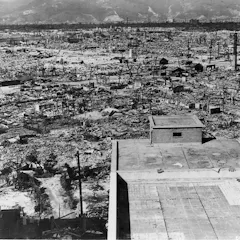
US military censors contained information after the bombings at Hiroshima and Nagasaki, leaving Americans with a limited understanding of the impact of radiation.
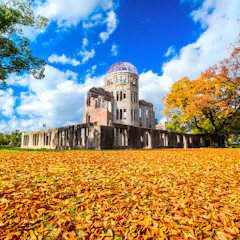
The average age of survivors is now 80. In five years, very few of these first-hand witnesses will be around to remember the event. Many of their stories are in danger of being lost forever.
Top contributors
-

Affiliated Researcher, The Open University
-
Assistant Professor of History, Mississippi State University
-
Senior Lecturer, Japanese Studies, University of New England
-
Lecturer in Contemporary Literature, La Trobe University
-
Senior Lecturer, School of Geography, Politics and Sociology, Newcastle University
-
Professor of History, Claremont Graduate University
-
University Professor Department of Health Policy & Management, University of Georgia
-
Associate Professor in English and American Literature, Nottingham Trent University
-
Professor of Physics, Massachusetts Institute of Technology (MIT)
-
Emeritus Professor of International Law, Western Sydney University
-
Herman Feshbach Professor of Physics, Nobel Laureate, Massachusetts Institute of Technology (MIT)
-
Carole Sargent is a Friend of The Conversation.
Literary Historian, Georgetown University
-
Adjunct Professor of Political Science, Villanova University
-
Professor of History, University of Maryland, Baltimore County
-
Pre-doctoral researcher, University of Cambridge