
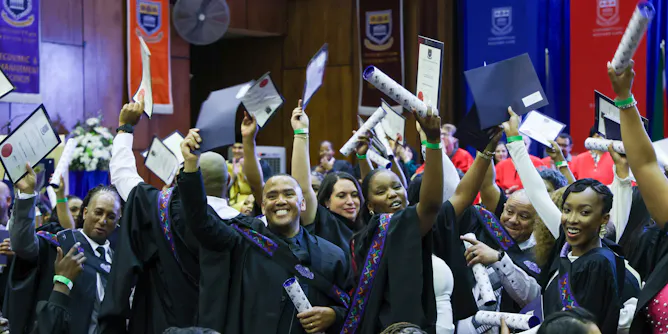
There’s a case for greater investment in support for postgraduate education.
Articles on Higher education funding
Displaying 1 - 20 of 215 articles

Should higher education be treated mainly as a private investment for individuals, or as a public good?

Courts and universities should distinguish between students who won’t pay and those who can’t – and help them to pay.
The system has allowed many students who would otherwise not access higher education to do so, but it is fraught with problems.
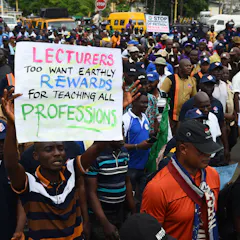
Public universities in Nigeria have been bedevilled by lecturers’ strikes for years. To break the cycle, the union insists the institutions should be adequately funded.
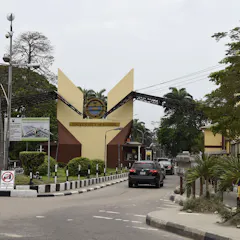
Creating more universities in Nigeria has serious implications for quality of graduates.
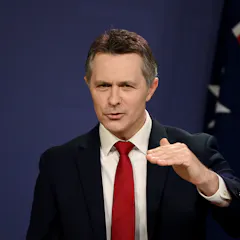
Huge disparities in how much students pay for courses mean graduates of high-fee disciplines will take longer to repay their debts or might never do so. That will ultimately add to government debt.
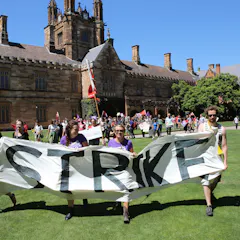
Reports of big university budget surpluses appear to undermine calls for their federal funding to increase. But a closer look at how the surpluses were achieved reveals why change is needed.
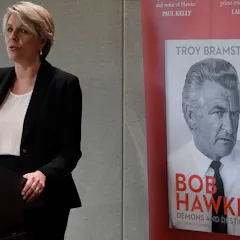
Higher education didn’t feature heavily in the election campaign, yet the sector has high expectations of the new government. The key is the idea of an accord and the change in approach it implies.

The government’s funding boost is a step in the right direction. This is how it will help research avoid the ‘valley of death’ which is the place between the lab and marketplace.

New research shows university students who gained entry via bridging programs outperform others who gain admission through ATARs and other means. They are also more likely to complete their degree.
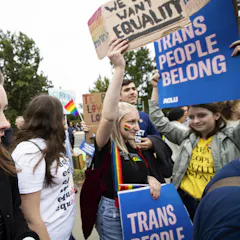
A recent Title IX lawsuit alleges discrimination on the basis of sexual orientation at religious schools. Two scholars argue that this might be a pivotal moment.

Tuesday’s budget shows a reversion back to the previous policy of keeping total higher education funding broadly stable.
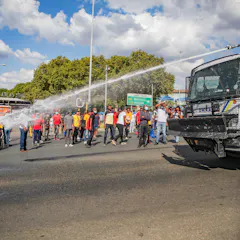
South Africa’s economic challenges and the high number of students from poor and working class families call for a funding model that doesn’t create an affordability crisis for students and the state.
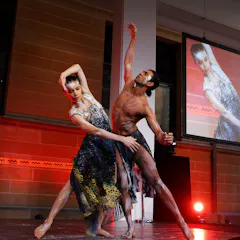
Lockdowns, job loss and university courses struck down: 2020 was a difficult year for Australia’s artists. But there was light through the darkness.

The higher education sector has to re-think what the future of higher education looks like and take steps towards this.
A post-war funding crisis forced universities to take the initiative in making their case to the public. A new history explores how universities did it and the changes they brought about.

Three key policy errors in the legislation mean the Morrison government is unlikely to achieve the stated goals of its package.
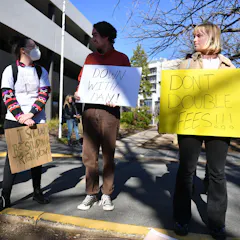
Three decades ago, in another time of upheaval in higher education, 7% of working-age Australians had a degree. Today 33% have one. More people than ever have a stake in what happens to universities.

A collapse in revenue and a lack of government support have led to university workforces being decimated to cut costs. This presents a number of longer-term risks for universities and the nation.
Top contributors
-

Professor of Higher Education Policy, Monash University
-
Adjunct Professor, Department of Leadership, Higher and Adult Education, OISE, University of Toronto
-
Associate Professor, Melbourne Centre for the Study of Higher Education, The University of Melbourne
-
Honorary Senior Fellow, Melbourne School of Psychological Sciences, The University of Melbourne
-
Professorial Fellow, University of Canberra
-
Associate Professor & Academic Director, Widening Participation, La Trobe University
-
Senior Research Fellow, Curtin University
-
Honorary Professorial Fellow, Melbourne CSHE, The University of Melbourne
-
Professor of International Higher Education, UCL
-
Adjunct Associate Professor in History, University of New England
-
Vice-Chancellor, Deakin University
-
Lecturer, UCL
-
Vice-Chancellor, Southern Cross University
-
Professor of Vocational and Higher Education, University of Birmingham
-
Executive Director, IRU, La Trobe University