

The year 2017 is finally coming to an end, so here’s a wrap of our coverage for the year, with bonus quiz!
Articles on Higher education funding
Displaying 41 - 60 of 215 articles
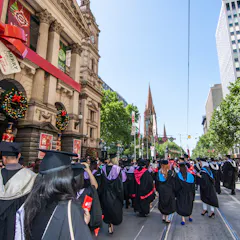
The cuts to higher education funding are more about making savings than improving higher education, and would be extremely hard to change in the future.

New analysis of education expenditure shows spending on the vocational education and training sector has declined while other sectors have experienced growth.

Cultural bias against teaching-only academics will see them get the axe in funding cuts to higher education.

Universities now have the incentive and flexibility to respond to student interests, and we shouldn’t distract them with policy changes that could make things worse.

The resilience of South Sudan’s higher education system can be attributed to dedicated staff, institutional partnerships and supportive governance.
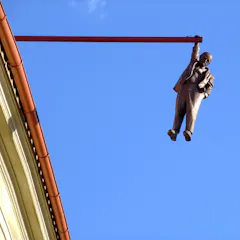
In some places, the dismal labour conditions of young academics have spurred them to unionise. Not so in the Czech Republic, where students and intellectuals lead lives of “state-ordered poverty”.

Students who take longer to complete their degree will be hit hard by fee hikes.

Higher education reform means more pain for students and universities with long lasting consequences.
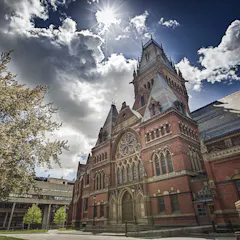
If universities work together they are more likely to find creative solutions to problems. Collaboration will allow them to benefit from the global academic community’s collective wisdom.
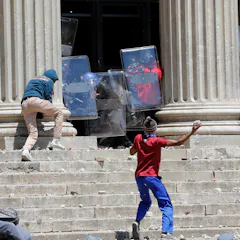
Demands being made by protesting students in South Africa purport to support the poor. But the most marginalised young people in the country will not benefit from free higher education.
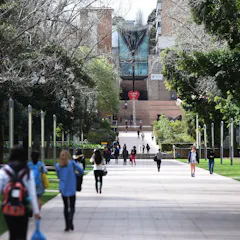
The government’s long road to a higher education policy has taken another small step forward with Education Minister Simon Birmingham setting up an expert advisory panel.
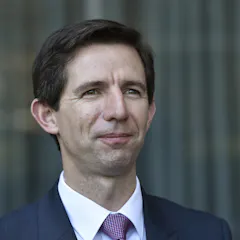
A new VET student loan scheme will aim at putting a stop to rorting by dodgy private colleges. Education Minister Simon Birmingham says the new scheme is being built from the ground up.
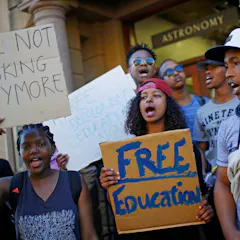
A “buy now, pay later” model is well suited to financing higher education. Commercial bank loans are not viable. Government-backed loans with income-contingent repayment are the fair solution.
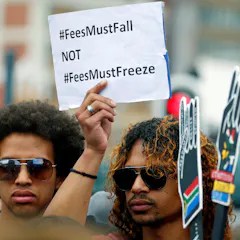
Higher education is a resource intensive enterprise. It cannot effectively function without a massive injection of resources in a sustained and escalated manner.
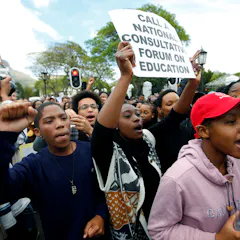
It’s unlikely that student protests are directly affecting South African universities’ rankings. Instead, decades of government underfunding in higher education may be at least partly to blame.
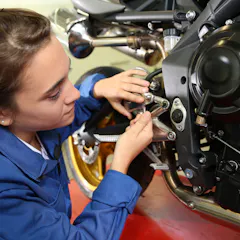
An independent authority should control the tertiary funding system in Australia in order to best implement policy objectives.
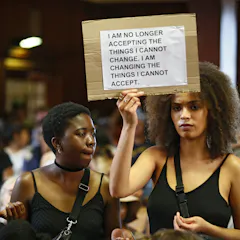
South Africa’s higher education minister has dealt with fee increments for 2017 but sidestepped students’ fundamental issue: an ongoing call to make higher education free for all.

South Africa must examine how science funding is allocated to universities. It also needs to acknowledge that not all universities should be focusing on research and development.
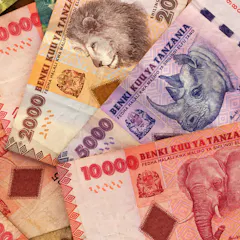
Tanzania’s government has uncovered evidence of 2 000 “ghost” students who are fraudulently obtaining loans. This costs the country and other students dearly.
Top contributors
-

Professor of Higher Education Policy, Monash University
-
Adjunct Professor, Department of Leadership, Higher and Adult Education, OISE, University of Toronto
-
Associate Professor, Melbourne Centre for the Study of Higher Education, The University of Melbourne
-
Honorary Senior Fellow, Melbourne School of Psychological Sciences, The University of Melbourne
-
Professorial Fellow, University of Canberra
-
Associate Professor & Academic Director, Widening Participation, La Trobe University
-
Senior Research Fellow, Curtin University
-
Honorary Professorial Fellow, Melbourne CSHE, The University of Melbourne
-
Professor of International Higher Education, UCL
-
Adjunct Associate Professor in History, University of New England
-
Vice-Chancellor, Deakin University
-
Lecturer, UCL
-
Vice-Chancellor, Southern Cross University
-
Professor of Vocational and Higher Education, University of Birmingham
-
Executive Director, IRU, La Trobe University