

Many multi-unit residential buildings are designed or managed in ways that make recycling and proper waste disposal difficult.
Articles on High-rise apartments
Displaying 1 - 20 of 30 articles
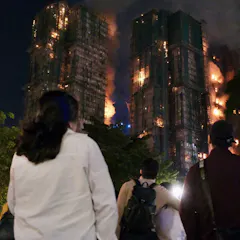
When it comes to evacuating tall buildings in a fire, not everyone can take the stairs. Here’s what else high-rises need.
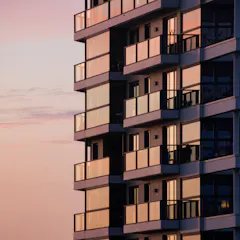
Governments have been pushing the construction of apartment towers for years to help housing affordability and availability, but people don’t want to live in them.
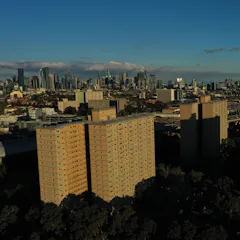
Our research shows decisions on the fate of public housing towers that are based on a proper process of considering all the evidence could go either way: demolish and rebuild, or retrofit.

Apartment residents need more sustainable, climate-adapted designs. They shouldn’t have to depend on costly, high-emissions air conditioning to remain comfortable and healthy.
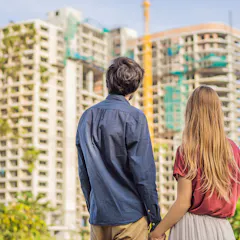
In order to ensure new multi-unit housing prioritizes comfort and health, future residents and building owners should know what design choices to advocate for.

In parts of Sydney, families occupy half the apartments and many value their convenient location. Yet, despite a surge in development, most apartments are one or two bedrooms and not family-friendly.
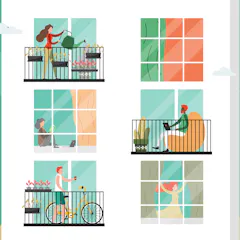
Avoid poorly ventilated parts of the building if you can. And always wear a mask when you open your door.

Since the Grenfell Tower fire claimed 72 lives in 2017, Australia has identified flammable cladding on more than 3,400 buildings. Despite apartment owners’ fears and rising costs, few have been fixed.

Identifying and fixing apartment defects can be challenging, especially as they’re often the shared responsibility of all owners in the building. A new guide aims to help navigate the pitfalls.
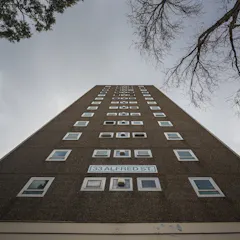
Much of our public housing stock is ageing and substandard. But we can learn from outstanding examples of retrofit projects that have transformed existing blocks into high-quality housing.
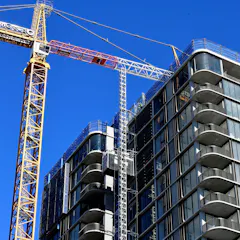
Orders to fix serious defects, even up to ten years after completion, and to delay the occupation certificate developers need to sell apartments until they’re fixed, gives regulators real teeth.

Apartments house one in ten Australians, including a higher share of low-income households than other housing types. A new study identifies why some high-density neighbourhoods work better than others.
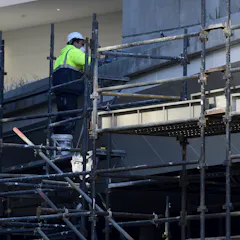
The proposed law does little to give people confidence in the apartments they buy. And it utterly neglects the role of architects and on-site inspections in delivering sound buildings.

Nearly half of apartment residents are now families with children whose quality of life suffers if their neighbourhoods don’t provide the spaces and activities they need to thrive.

Governments and regulators assume compliance with building regulations will restore public confidence. But complying with the National Construction Code won’t fix many common defects.
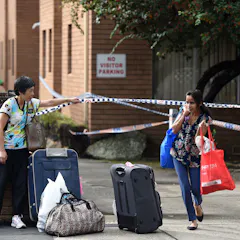
The difficulty of finding out about building defects creates an information deficit that threatens public confidence and stability in the apartment market. NSW has begun work on a solution.
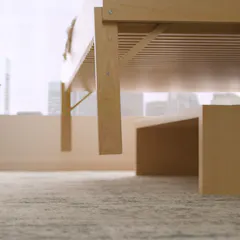
With space at a premium, robotic furniture can transform a room in seconds. How will this affect our sense of belonging and feeling at home, when everything can change with a voice command?
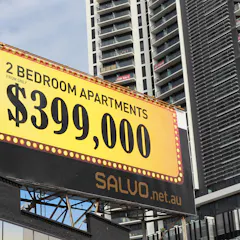
Unsafe apartments are being evacuated as confidence plummets – even the author of a report commissioned by building ministers wouldn’t buy a new apartment. What will it take for governments to act?

Almost half of apartment residents in Australia are families, but few high-rise dwellings were built with them in mind. Many find these apartments present barriers to building social connections.
Top contributors
-

Adjunct Professor of Architecture, University of Technology Sydney
-
Senior Lecturer in City Planning, UNSW
-
Associate Professor in Property, Construction and Project Management, RMIT University
-
Professor, City Futures Research Centre, UNSW
-
Professor, City Futures Research Centre, Faculty of the Built Environment, UNSW
-
Professor of Construction Management, University of Technology Sydney
-
Associate Professor and Co-Director of Studies for Construction Law, The University of Melbourne
-
Research Associate, City Futures Research Centre, UNSW
-
Associate Professor, Deakin University
-
Lecturer in Health and Social Sciences, Deakin University
-
Senior Lecturer, Discipline of Geography and Sustainability, School of Health and Society, University of Wollongong
-
Director, Glowpear, Board member, ISDRS, Vice President, AHA and Senior Lecturer in Industrial Design, RMIT University
-
PhD Candidate and Research Assistant, Faculty of Architecture, Building and Planning, The University of Melbourne
-
Associate Deputy Vice Chancellor in Research & Innovation, RMIT University
-
Associate Professor and Principal Fellow in Urban Risk and Resilience, The University of Melbourne