

Now restrictions are easing, some people who have not used alcohol or other drugs recently may start to use them again, and need to be aware of their reduced tolerance.
Articles on Harm reduction
Displaying 41 - 60 of 62 articles

Fears that TikTok is “serving up” drug content to impressionable users have prompted calls for all drug content to be censored on the platform. But that would remove useful health advice too.

Decriminalization is an important step in addressing the overdose crisis, but it is crucial that other approaches — like regulation — are also in place.

The president wants Americans to be able to celebrate Independence Day with small gatherings. What will it take to get the virus under control by then? Three public health school deans explain.
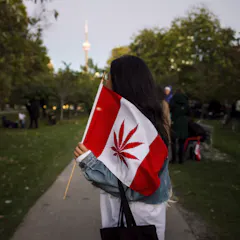
If the goal of cannabis legalization was to protect public health and safety, education and awareness campaigns must normalize safe cannabis use, not stop cannabis consumption.

Possessing heroin, cocaine, meth and other drugs for personal use is no longer a criminal offense in Oregon. The idea is to get people with problem drug use help, not punishment.

Amid the controversy over Sydney’s lockout laws, a program that looked out for people at risk of harm in the city’s nightlife precincts more than proved its worth.

Buddy circles expand on the concept of a designated driver, encompassing other substances and risks — including COVID-19 and social media — to build a harm mitigation strategy for the 21st century.

From 2021, Australians will no longer be able to buy nicotine-containing e-fluids, without both a prescription and someone licensed to import it for them, raising fears many will go back to smoking.
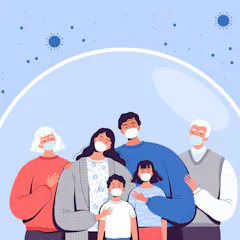
People are turning to quarantine bubbles as a way to see friends and family while limiting the risk from the coronavirus. Research shows that this can work, but it’s not easy to be in a quaranteam.
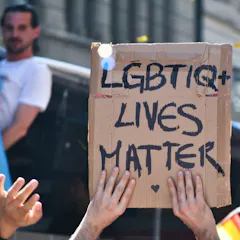
The overdose crisis — coupled with a lack of accessible harm reduction services — represents a growing concern for young queer and trans men who use drugs.

Few teens use MDMA and scare tactics, like those we’ve seen recently, are unlikely to reduce existing drug use further.

Opioid overdoses killed 47,000 Americans in 2017 — more than gun violence. Many fewer would have died if they’d been treated with the life-saving drug naloxone, also called Narcan.

The idea that we can sit down calmly and rationally and explain to our children how they can take drugs safely overlooks a bundle of emotional issues.

At present South Africa is simply placing a potentially dangerous market into the hands of criminal syndicates and international traffickers.
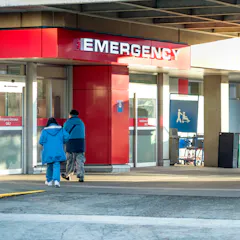
When care is equity-oriented, patients report fewer depression and trauma symptoms, less chronic pain and improved quality of life.
Some drug and alcohol programs
currently used in prisons have little evidence to support them.
The number of teetotallers in Britain is rising. But that doesn’t mean the rest of the population has a healthy relationship with alcohol.

Parents can help protect their kids from cannabis abuse by openly discussing the health risks, the pleasures and the responsible ways to use the drug.
Drug deaths in Scotland are now among the highest in Europe. What can be done?
Top contributors
-

Adjunct Professor at the National Drug Research Institute (Melbourne based), Curtin University
-
Lecturer, RMIT University
-
Research Fellow in Public Health, The University of Queensland
-
Senior Research Fellow in Public Health, The University of Queensland
-
PhD Candidate, School of Nursing, University of British Columbia
-
Senior Research Fellow, National Drug and Alcohol Research Centre, UNSW
-
Professor, Department of Sociology and Anthropology, University of Guelph
-
Professor in Substance Use, Liverpool John Moores University
-
Professor of Substance Use and Inclusion Health, University of Stirling
-
Research Scientist, BC Centre on Substance Use and Assistant Professor in the Division of AIDS, Department of Medicine, University of British Columbia
-
Honorary Fellow, Department of Health Sciences, University of York
-
Master of Arts student, Social Dimensions of Health Program, University of Victoria
-
Professor and Deputy Director, Monash Addiction Research Centre, Monash University
-
Postdoctoral Fellow in Sociology, University of Oslo
-
Assistant Professor, Dept of Medicine, University of British Columbia and Research Scientist with the BC Centre on Substance Use, University of British Columbia