

Nitazenes can be up to 50 times stronger than fentanyl. They’re not yet common in Australia so now is the time to implement policies to reduce their harm and limit their uptake.
Articles on Harm reduction
Displaying 21 - 40 of 62 articles
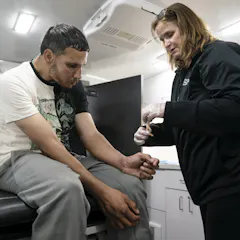
A group of academics look at the global evidence to examine the potential impact of supervised injection sites in Philadelphia and the US.

A police policy of not making arrests for simple possession is a way to essentially decriminalize personal drug use. However, confiscating drugs — even without arrests — can be harmful in many ways.
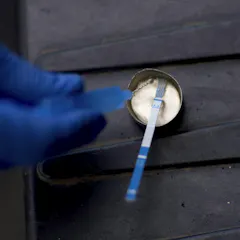
Most consumables in Canada have quality controls that inform purchasing and consumption decisions. People who use illicit drugs deserve the same. Drug checking provides that harm-reduction service.

Harm reduction is grounded in evidence. But policies, stigma and ignorance about substance use still create barriers in battling Canada’s drug poisoning crisis.

Higher levels of income inequality in youth are associated with increased ‘deaths of despair’ in young Canadians.

There’s a lot we don’t know about how Queenslanders will be able to get their pills tested in future. But here’s how other countries do it.

As British Columbia begins a new era in drug policy, the drug poisoning crisis continues without an end in sight.
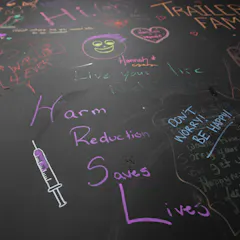
Supervised consumption sites provide essential community connections and services for those who use them. By closing them, governments are risking the welfare of people who use drugs.

More than 50 overdoses happen in bathrooms every month in British Columbia. Public bathrooms can be made safer for everyone, including people who use substances.

Should teens drink alcohol? Ideally, no. But in the real world, here are some tips on how to minimise harm.

Competition between corporations drives innovation and development. But when it comes to artificial intelligence systems, the prevention of harm should be more important.

British Columbia’s bold experiment provides an opportunity to implement more balance in Canadian drug policy, and a more principled withdrawal from the war on drugs.
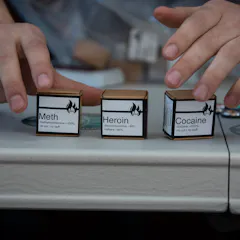
People are dying from using a toxic drug supply. Safer supply and other approaches that listen to the needs of people who use drugs are critical to saving lives and addressing the opioid crisis.

On the surface, sober months like Dry January and Dry February are great. But we need to broaden the discussion around how privilege and policy impact one’s relationship with alcohol and other drugs.
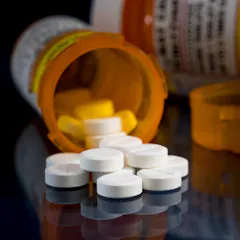
Restricting drug access can make the overdose crisis worse, not better. A bioethicist explains what that means for an ethical drug policy.

It has long been clear that some countries have drug policies that cause harm and violate human rights.

Here’s what the Australian Federal Police’s new campaign gets wrong.

We know young drivers will put themselves in risky situations, which is why strategies to minimise harm also need to be part of their education.

To make sure what happened at Queen’s University during homecoming weekends doesn’t happen again, we need to have classroom conversations now, and make bold and innovative changes to identify long-term solutions.
Top contributors
-

Adjunct Professor at the National Drug Research Institute (Melbourne based), Curtin University
-
Lecturer, RMIT University
-
Research Fellow in Public Health, The University of Queensland
-
Senior Research Fellow in Public Health, The University of Queensland
-
PhD Candidate, School of Nursing, University of British Columbia
-
Senior Research Fellow, National Drug and Alcohol Research Centre, UNSW
-
Professor, Department of Sociology and Anthropology, University of Guelph
-
Professor in Substance Use, Liverpool John Moores University
-
Professor of Substance Use and Inclusion Health, University of Stirling
-
Research Scientist, BC Centre on Substance Use and Assistant Professor in the Division of AIDS, Department of Medicine, University of British Columbia
-
Honorary Fellow, Department of Health Sciences, University of York
-
Master of Arts student, Social Dimensions of Health Program, University of Victoria
-
Professor and Deputy Director, Monash Addiction Research Centre, Monash University
-
Postdoctoral Fellow in Sociology, University of Oslo
-
Assistant Professor, Dept of Medicine, University of British Columbia and Research Scientist with the BC Centre on Substance Use, University of British Columbia