
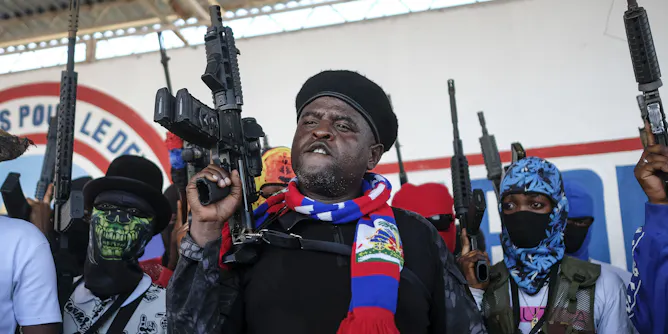
With no elected government, spiraling violence, and little international success, Haiti faces a multidimensional collapse few see a clear path out of.
Articles on Haiti earthquake
Displaying all articles
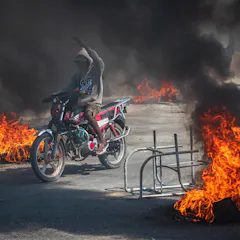
Haiti is facing a wave of chaos as gang violence grips the country.

White saviourism is simultaneously a state of mind and a concrete unequal power structure between the Global North and the Global South.
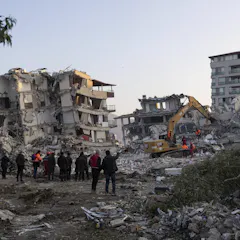
The devastating outcomes of earthquakes is worsened when buildings cannot withstand the impact. Also, increased urban density and new construction materials are complicating search-and-rescue efforts.
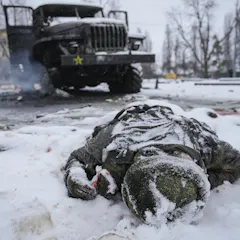
Many images from the Ukraine war are compelling and distressing depictions of the human costs of war.
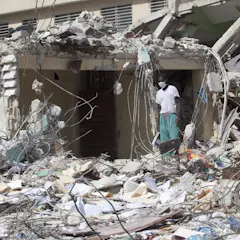
The unique skills of Canadian health-care workers with international disaster experience could be a valuable resource during domestic emergencies.
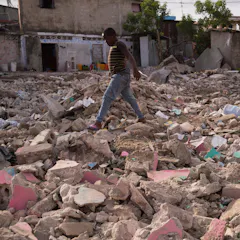
Plus, new research chronicling the experiences of Japanese Americans interned by the US government during the second world war. Listen to The Conversation Weekly podcast.
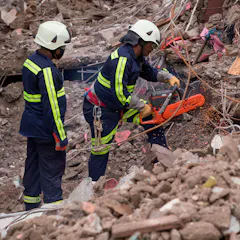
A seismic network was put in place after the 2010 quake but, despite recording two ‘strong motions’ before August 14, no alerts went out.
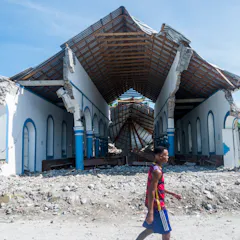
Devastating quake came weeks after the assassination of Haiti’s president. A scholar of disaster preparedness explains the concept of ‘cascading crises’ and how other countries can help stabilize Haiti.
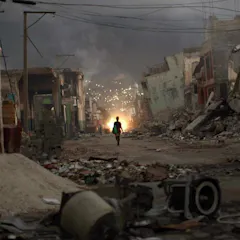
Ten years after a devastating earthquake struck Haiti, the country is still struggling to recover and remains vulnerable to natural disasters.
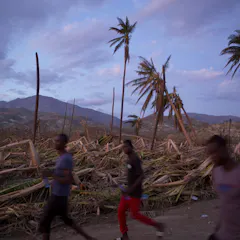
Haiti is extremely vulnerable to climate change. It is also very poor. International donors have stepped in to help the country fund climate mitigation, but is the money going where it’s most needed?

Last month’s earthquake in Sulawesi, Indonesia was large, but not huge. It was the aftereffects that made it so devastating.
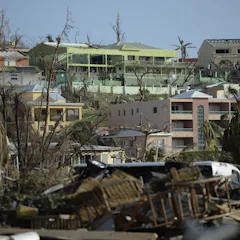
Corruption has made hurricane Caribbean countries’ recovery less efficient and more expensive, new research shows. Misuse of funds may also trigger more disaster-related deaths.
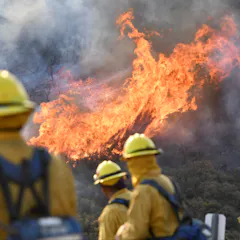
From California’s fires to the Rohingya, headlines can be overwhelming these days. But that doesn’t mean we should neglect so-called ‘silent crises,’ which can quickly erupt into global disasters.
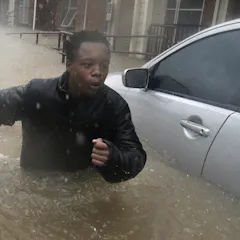
The number of natural disasters around the world has doubled since 1980, raising serious questions about how to respond. Here’s how game theory could help.
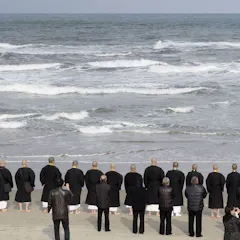
March 11 marks the anniversary of the Fukushima earthquake. Natural disasters here in the US also have wreaked havoc. There may be a way to improve response to these natural disasters.
Top contributors
-

Professor of Public and International Affairs, former Director of the Center for Disaster Management, University of Pittsburgh
-
Eugene M. Isenberg Chair in Integrative Studies, UMass Amherst
-
Associate Professor, University of Toronto
-
Schuette Clinical Fellow in Health and Human Rights, Northwestern University
-
Researcher in disaster preparedness, Harvard Humanitarian Initiative (HHI), London School of Hygiene & Tropical Medicine
-
Lecturer (Assistant Professor) in Economics, University of the West of England
-
Adjunct Professor of History and Affiliated Faculty, USC Shinso Ito Center for Japanese Religions and Cultures, USC Dornsife College of Letters, Arts and Sciences
-
Senior Lecturer in Structural Design - Program Director for Architectural Engineering, University of Liverpool
-
Professor of Family Medicine, Global health Lead, Humanitarian and disaster response expertise, McMaster University
-
Professeure adjointe, International Development and Global Studies, L’Université d’Ottawa/University of Ottawa
-
Visiting Professor of Journalism, Emerson College
-
Professor of Management and Co-director of the Centre for Latin American & Caribbean Studies, University of Essex
-
Lecturer, Makerere University
-
Lecturer, École nationale d'administration publique (ENAP)
-
Professor of Sociology, Brooklyn College