
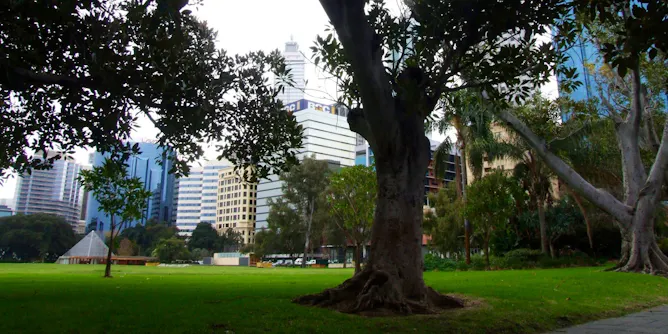
A new study shows major Australian cities are suffering an overall loss of green space –
although some areas are doing better than others.
Articles on Green space
Displaying 61 - 80 of 89 articles

Drains take up precious but inaccessible open space in our cities. Converting these to living streams running through the suburbs could make for healthier places in multiple ways.

Successful parks and urban green spaces encourage us to linger, to rest, to walk for longer. That, in turn, provides the time to maximise the restorative mental benefits.
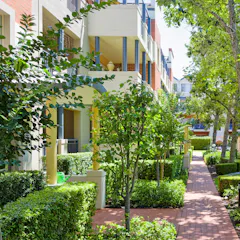
Being crowded into poor-quality high-density units harms residents’ health, but design features that are known to promote wellbeing can make a big difference to the lives of low-income households.

Australians are losing the backyards that once served as retreats from the stresses of city living. Our health is likely to suffer as cities become less green and much hotter.
New research shows many good intentions for creating urban environments that promote good health were not carried through. The solutions start with engaging more closely with residents themselves.

Urban green spaces are most effective at delivering their full range of health, social and environmental benefits when physical improvement of the space is coupled with social engagement.
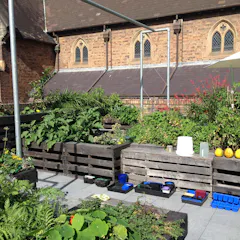
In a world of increasing urbanisation, density, pressure and, some say, isolation, there’s a natural salve for stress, pressure and mental illness. And it’s right above our heads.
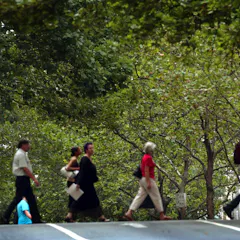
Greening cities that are becoming denser is a major challenge. City-dwellers’ health benefits from both well-designed green spaces and urban density, so we must manage the tensions between them.

Urban bushland has health benefits beyond being a great place to go for a walk. Planners need to consider these when making decisions about the future of our cities.
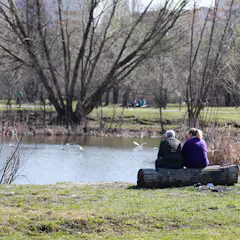
Several key aspects of public open space can encourage older people to get out and about. And badly designed and maintained facilities have the opposite effect and can harm their wellbeing.
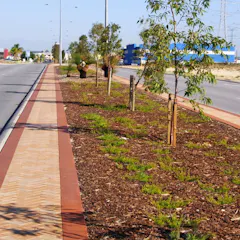
It is possible to use small spaces such as transport corridors, verges and the edges of sporting grounds for native wildlife habitat restoration, helping to bring biodiversity back into cities.
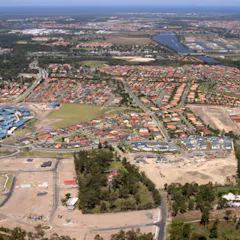
Recently published research has found that the concentration of poorer people in hotter places is a real problem for cities’ capacity to cope with climate change.
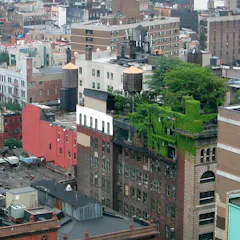
The rise of urban greening is an opportunity to recast the relationship between people and environment. Humans and non-human species are ecologically intertwined as inhabitants of cities.
Development design needs to focus more on natural resources for the benefit of human health.
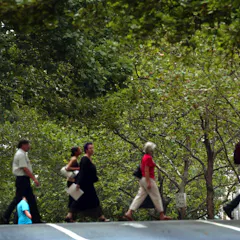
Not only do healthy, well-maintained trees provide shade and benefit the ecosystem, they can have a meaningful social impact: people in newly greened neighbourhoods start to look out for each other.
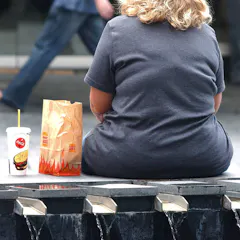
The government’s focus on treating chronic disease neglects the importance of obesity and the benefits of preventive health measures tailored to gender and socioeconomic circumstances.
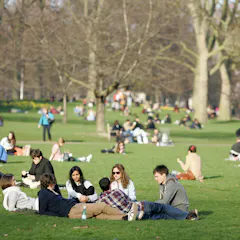
Parks are found in most neighbourhoods, generally free to use and are enjoyed by diverse groups. Although most visitors don’t use parks for physical activity, modest improvements can change that.
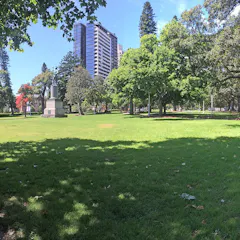
Nature is dispersed through our cities, even if we don’t notice it. And there’s abundant evidence that engaging with nature, even in urban settings, is good for us.
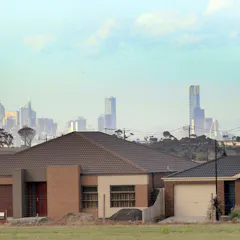
Australian cities should be made to work for all inhabitants. This involves evenly spreading the disadvantages of industrial and commercial activities as well as the advantages of good access to services.
Top contributors
-

Professor of Urban Health and Environment, UNSW
-
Professor in Environmental & Landscape Planning, University of Manchester
-
Professor of Cities and Planetary Health, ARC Future Fellow in nature-based solutions for loneliness, University of Sydney
-
Associate Professor in Urban Ecology and Urban Horticulture, The University of Melbourne
-
Lecturer, Australian Urban Design Research Centre, The University of Western Australia
-
Lecturer in Landscape Architecture, The University of Melbourne
-
Professor, School of Life and Environmental Sciences, University of Sydney
-
Professor of Planning and Associate Director, City Futures Research Centre, UNSW
-
Senior Research Fellow, Sheffield Hallam University
-
Professor in Urban Horticulture, The University of Melbourne
-
Research Fellow, School of Medicine, The University of Queensland
-
Senior Lecturer in Environmental Management, University of Tasmania
-
Research Fellow, Centre for Urban Research, RMIT University
-
Research assistant, Western Sydney University, UNSW
-
Assistant Researcher, School of Ecosystem and Forest Sciences, The University of Melbourne