
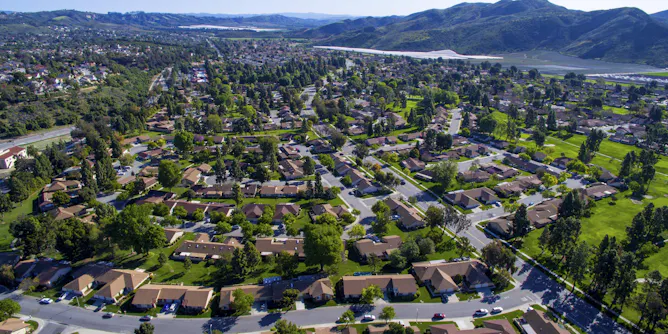
During heatwaves, the highest temperatures are often found in urbanized areas. Small green spaces are often overlooked as a way to cool urban areas.
Articles on Green space
Displaying 21 - 40 of 89 articles
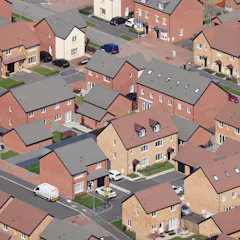
The more new housing a neighbourhood has, the less of the local area is dedicated to green space, which has knock-on effects for wellbeing and the climate crisis.
A ‘right to grow’ law encouraging more locally-grown food could boost health, community pride and food supply resilience.
In cities across Europe, 62% of the population doesn’t have access to the amount of nature the World Health Organisation recommends.
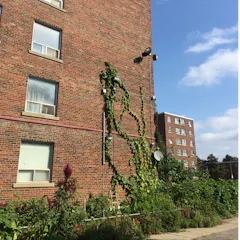
Plants support human health not only in terms of providing food, oxygen and shade. Our relationships with plants facilitate political decisions and actions that support health in the city.
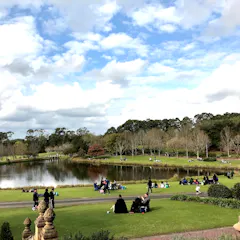
For the areas of cities with less than 10% green space, increasing that to 30% could cut the overall odds of residents becoming lonely by a quarter.

The more our cities grow, the more we need access to enjoy — and be in relationship with — urban forests to maintain our well-being.
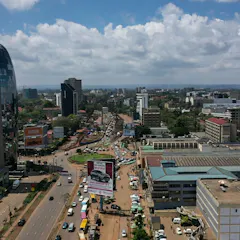
Nairobi harbours all the ingredients for zoonotic spillover to occur between animals and people, particularly in the most densely populated areas of the city.
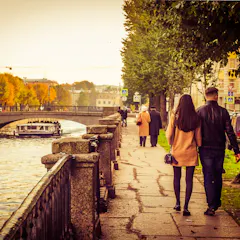
Repurposing derelict Victorian canals could boost people’s mood and their physical activity levels.
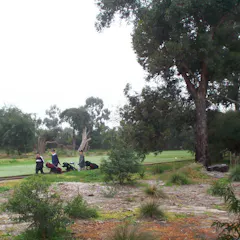
COVID-19 restrictions led to calls to open up golf courses to the public. But these are such precious refuges for native flora and fauna that access will have to be carefully managed.
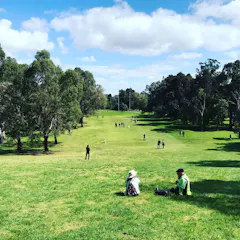
All parks are not equal. The response to the opening of golf courses to the public during the COVID pandemic shows the quality of green open space is a big issue for city residents.

The design of a campus and its buildings and dorms can be crucial to a student’s overall well-being.
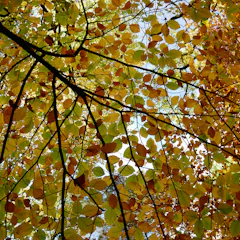
We know that spending time in nature is good for physical and mental well-being, but social inequality means not everyone has easy access to parks, gardens and woodland.
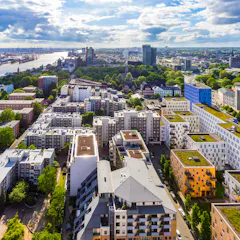
The coronavirus pandemic has highlighted the lack of green space available to those living in urban areas. Cities must be managed as ecosystems to make them more liveable and resilient.

The release of a roadmap for green roofs, walls and facades in Australia can help our cities catch up with the world leaders in urban greening.
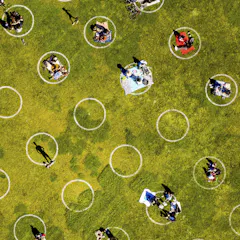
Spending some time outdoors can help restore mental well-being, but physical distancing remains important during the coronavirus pandemic.
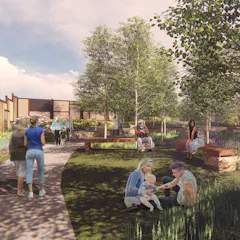
About half of incarcerated women in the United States are mothers to children under age 18. Natural spaces within a prison can help maintain their mother-child bonds.
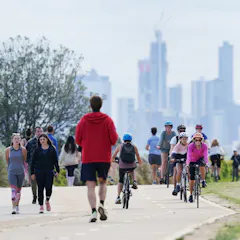
COVID-19 has upturned uses of public spaces that we took for granted. Will shifts in the regulation of these spaces lead to a change in thinking about who “owns” the city?
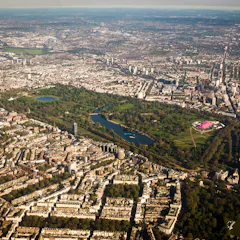
Parks have a vital role to play for both physical and mental wellbeing.
At the peak of a summer heatwave in Adelaide, an aerial survey of land surface temperatures reveals just how much cooler neighbourhoods with good tree and vegetation cover can be.
Top contributors
-

Professor of Urban Health and Environment, UNSW
-
Professor in Environmental & Landscape Planning, University of Manchester
-
Professor of Cities and Planetary Health, ARC Future Fellow in nature-based solutions for loneliness, University of Sydney
-
Associate Professor in Urban Ecology and Urban Horticulture, The University of Melbourne
-
Lecturer, Australian Urban Design Research Centre, The University of Western Australia
-
Lecturer in Landscape Architecture, The University of Melbourne
-
Professor, School of Life and Environmental Sciences, University of Sydney
-
Professor of Planning and Associate Director, City Futures Research Centre, UNSW
-
Senior Research Fellow, Sheffield Hallam University
-
Professor in Urban Horticulture, The University of Melbourne
-
Research Fellow, School of Medicine, The University of Queensland
-
Senior Lecturer in Environmental Management, University of Tasmania
-
Research Fellow, Centre for Urban Research, RMIT University
-
Research assistant, Western Sydney University, UNSW
-
Assistant Researcher, School of Ecosystem and Forest Sciences, The University of Melbourne