
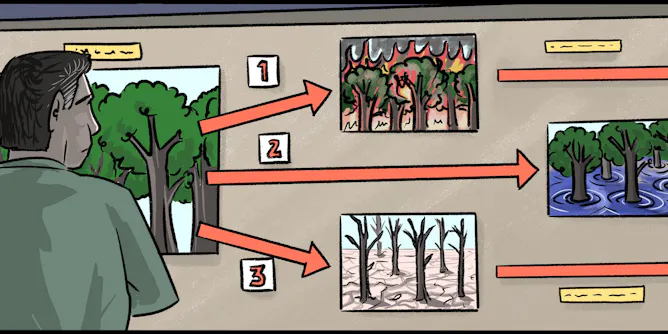
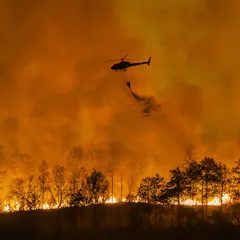
Park and forest managers can’t rely on the past any longer to understand future risks. Fires, pests and climate change are changing the game.
Articles on Global warming
Displaying 121 - 140 of 1163 articles

Even allowing warming to exceed 1.5°C for a few decades could trigger irreversible damage.
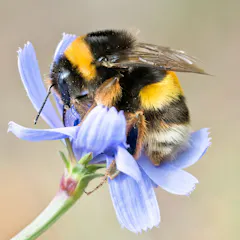
Fast-rising temperatures can change how plants and animals behave and disrupt the delicate timing of pollination.

An analysis of surveys about people’s level of climate concern suggests it isn’t just education alone that shapes views – it’s experiencing rising temperatures that makes the difference.
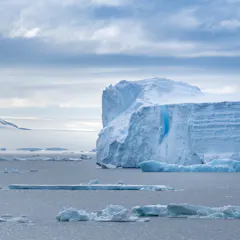
A new study found parts of Antartica could pass a tipping point for mass ice sheet losses as soon as 2050 – pushing sea levels 2 metres higher by 2300 than currently predicted.
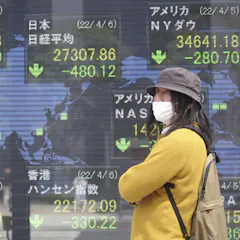
To date, projections of how climate change will affect global GDP have been massively underestimated.
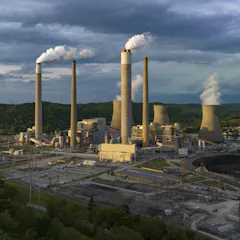
The Trump administration’s goal is to roll back rules limiting planet-warming greenhouse gas emissions from power plants, vehicles and oil and gas production, but it could backfire for industry.
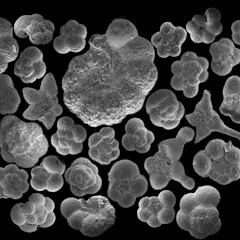
Foraminifera have lived almost everywhere in the ocean for millions of years. Their fossilised remains hold a record of Earth’s past.
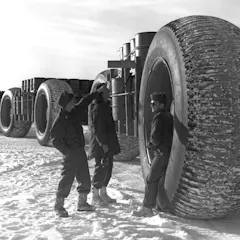
During the Cold War, the US poured support into Arctic military outposts and climate research amid fears of a Russian invasion. Climate change is still on the military’s radar as a threat multiplier.
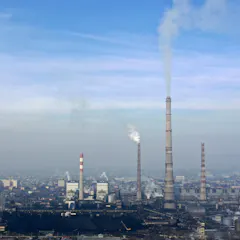
The climate pledges that countries submit to the UN may or may not detail policy and regulatory measures, making it difficult for researchers.
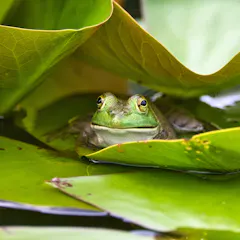
New research shows frogs and other amphibians are already on the brink of overheating in a warming world. Here’s how many will suffer as global temperatures rise.
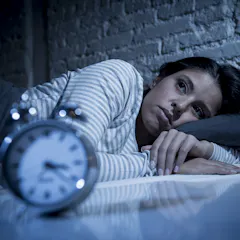
Globally, scientists predict each person could lose up to 58 hours of sleep a year by 2100 if planetary warming continues unchecked.

Part of the system that pumps water, heat and nutrients around the globe is at risk. Climate change could slow the Antarctic Circumpolar Current down 20% by 2050.
Withdrawing support for research and scrubbing climate data from US government websites has repercussions for Australia and the world. But there are ways around it.
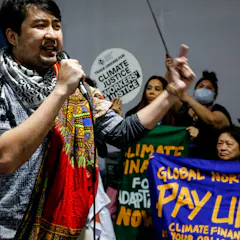
Reducing emissions, removing greenhouse gases, repairing ecosystems and building resilience are the four R’s that can save the planet.
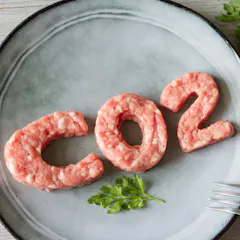
Product labelling showing whether food comes mainly from animals or plants can help consumers make more climate-friendly choices.
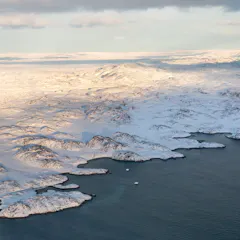
Planners need more reliable projections of future sea-level rise to protect communities and ecosystems. A new method helps produce them.
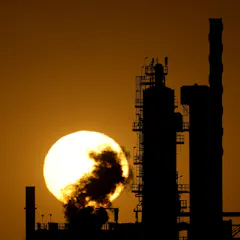
Earth is crossing the 1.5°C limit outlined in the Paris Agreement, beyond which scientists predict catastrophic harm to systems supporting life on our planet.
Human-driven ocean warming is increasingly overwhelming El Niño, La Niña, and other natural climate patterns.

Usual approaches to addresing the climate crisis are not working, and as the world changes many are struggling to find a clear sense of place. Learning to love the world could help solve both issues.
Top contributors
-

ARC Future Fellow and Associate Professor in Climate Science, ARC Centre of Excellence for 21st Century Weather, The University of Melbourne
-
Research Associate, Institute for Climate Risk and Response, UNSW
-
Distinguished Scholar, National Center for Atmospheric Research; Affiliate Faculty, University of Auckland, Waipapa Taumata Rau
-
Chief Research Scientist, CSIRO Environment; Executive Director, Global Carbon Project, CSIRO
-
Chief Scientist, Australian Antarctic Division and Professor of Climate Science, Australian National University
-
Professor and Climate Scientist, Department of Geography, Planning and Environment, Concordia University
-
Deputy Director, Engagement and Impact, The ARC Centre of Excellence for the Weather of the 21st Century, Australian National University
-
Adjunct professor, UNSW
-
Professor of Climate Science, University of Reading
-
Professor Emeritus of Climate and Space Sciences and Engineering, University of Michigan
-
A/Prof., School of Earth Sciences, The University of Melbourne
-
Professor of Physical Climate Change; Director of the Priestley Centre for Climate Futures, University of Leeds
-
Adjunct Professor of Energy, Murdoch University
-
Director of the ARC Centre of Excellence for Our Future Oceans and Scientia Professor in Oceanography, UNSW
-
Climate Projections Scientist, CSIRO