
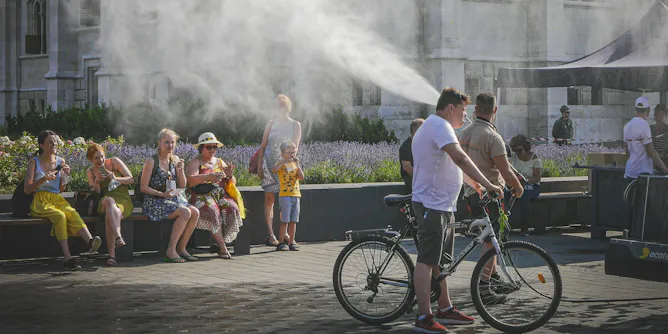
The number of days with summer conditions is growing by roughly six days more each decade since 1990, contributing to fire season, drought, energy demand and disrupted agricultural activity.
Articles on Global warming
Displaying 41 - 60 of 1162 articles
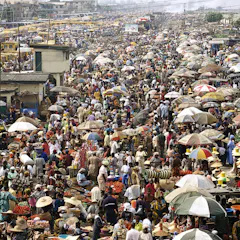
Floods regularly devastate Lagos’s informal workers, but traders and residents have built their own systems to adapt where the state has failed.
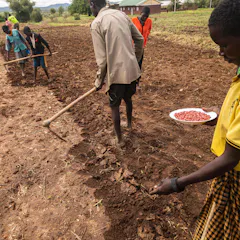
Figuring out how climate change will cause plant disease and pests to spread across Africa’s Great Lakes farms is critical for future food supplies.
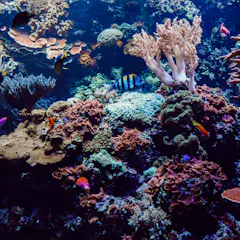
The Earth has already experienced three mass coral bleaching events over the last few decades, with a fourth happening now. Researchers are trying to find ways to make corals more adaptable to heat.
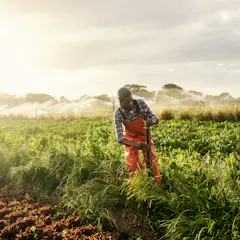
Thousands of hectares of communal land set aside for smallholder farmers’ use in South Africa are lying fallow because of collapsed government irrigation systems.
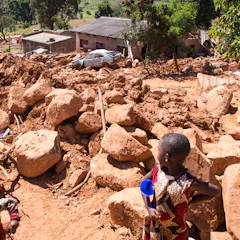
Disaster recovery agencies and governments must pay more attention to survivors’ invisible losses: grief, broken communities and disrupted identities.
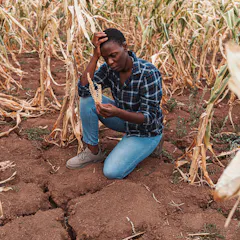
Extreme heat is a huge threat to health, work and food security across southern Africa.

Climate risk assessments guide how much funding is available to support climate impacts and need to work out which women are worst affected.
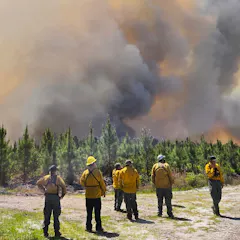
The southeastern US has been in drought for months. With the wind and unusually low humidity, it’s facing perfect conditions for wildfires spreading.
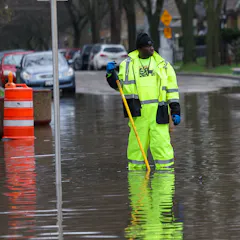
Days of intense rain and snowmelt overwhelmed old dams and breached roads, forcing evacuations. Nearly half the counties in Michigan – often seen as a climate haven – were under a state of emergency.
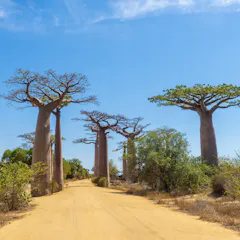
Ancient baobabs in Madagascar have unlocked a 700-year rainfall record that is set to help scientists figure out how to adapt to climate change.
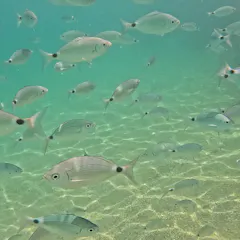
The Mediterranean is one of the world’s most vulnerable ecosystems. A scientific study on shifting distribution dynamics examines how its fish species contend with sea warming.
Climate action depends on telling stories that make an impact, clarify stakes and inspire action.

New models show NZ’s heaviest rainfall is likely to grow more intense and frequent, with some regions facing twice as many extreme events by 2100.
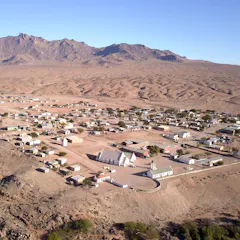
By 2100, rural African dwellers will be exposed to dangerous levels of heat nearly twice as high as those in urban areas.
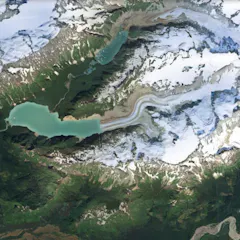
Scientists mapped the evolution of 140 glacial lakes in Alaska and found a way to tell how much larger and destructive they can get as their glaciers melt.
Solar cycles, sea ice and rising electricity use all play a role. So does an unhealthy surprise that has been quietly hiding a large amount of global warming – until now.

Annual temperatures are rising in Ghana’s capital, Accra.

US Olympic skiers and scientists explain the sharp differences between natural snow and machine-made snow, from the science to the rising risk of crashes.
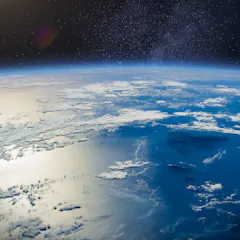
The ocean is warming as the upper atmosphere is cooling – both as a result of excessive greenhouse gas emissions.
Top contributors
-

ARC Future Fellow and Associate Professor in Climate Science, ARC Centre of Excellence for 21st Century Weather, The University of Melbourne
-
Research Associate, Institute for Climate Risk and Response, UNSW
-
Chief Research Scientist, CSIRO Environment; Executive Director, Global Carbon Project, CSIRO
-
Distinguished Scholar, National Center for Atmospheric Research; Affiliate Faculty, University of Auckland, Waipapa Taumata Rau
-
Chief Scientist, Australian Antarctic Division and Professor of Climate Science, Australian National University
-
Professor and Climate Scientist, Department of Geography, Planning and Environment, Concordia University
-
Deputy Director, Engagement and Impact, The ARC Centre of Excellence for the Weather of the 21st Century, Australian National University
-
Adjunct professor, UNSW
-
Professor of Climate Science, University of Reading
-
Professor Emeritus of Climate and Space Sciences and Engineering, University of Michigan
-
Director of the ARC Centre of Excellence for Our Future Oceans and Scientia Professor in Oceanography, UNSW
-
Climate Projections Scientist, CSIRO
-
Professor of Physical Climate Change; Director of the Priestley Centre for Climate Futures, University of Leeds
-
Lecturer, School of Agriculture, Food and Ecosystem Sciences, The University of Melbourne
-
Professor of Atmospheric Sciences, Climate Change Research Centre, UNSW