
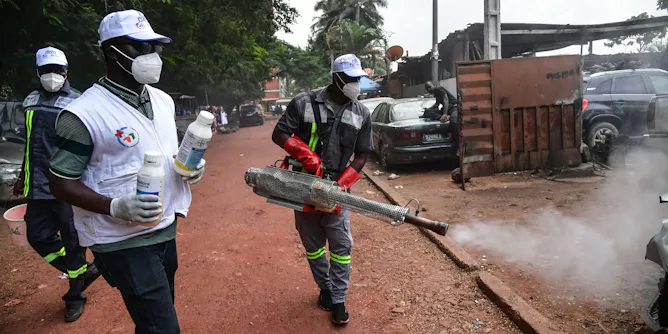
Climate-caused heat and floods help disease-carrying insects spread to new places.
Articles on Genomic surveillance
Displaying all articles

Pathogens are constantly evolving to become resistant to treatment in the perpetual battle between humans and infectious diseases.

Infectious disease control in neonatal units is often reactive, only after several babies fall ill at the same time. Proactive genome sequencing provides an early-warning system to prevent outbreaks.

The first sign of a new bird flu might be a dead seabird or marine mammal. Better surveillance of migratory birds and wildlife – and better public awareness – is crucial.
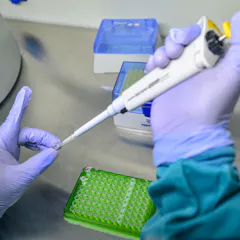
Improving genomic surveillance to better understand new variants as they arise in different parts of the world could prevent threats to vulnerable health systems and populations.
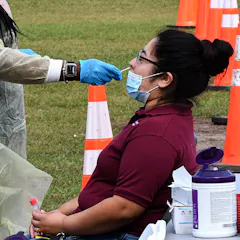
A nationwide genomic surveillance system analyzes positive COVID-19 tests to build a picture of which variants are spreading in the population.
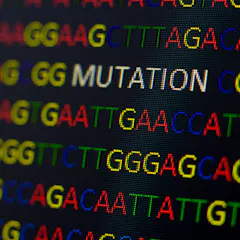
DNA sequencing has allowed researchers to catch new COVID-19 variants hours after receiving the first positive test sample.
A lot has happened since the WHO declared the coronavirus outbreak a pandemic. A portrait in data highlights trends in everything from case counts, to research publications, to variant spread.

By merging genomics with classical epidemiology, researchers are able to predict new disease outbreaks based on which viral variants are on the rise.

The US lags in testing coronavirus samples from COVID-19 patients, which can help track the spread of the virus and the emergence of new variants. But labs are ramping up this crucial surveillance.

Genomic sequencing of positive COVID-19 samples could help New Zealand pinpoint the source of its new community outbreak. But it only works if all samples are sequenced – and right now, they’re not.
Top contributors
-

Professor of Epidemiology, Medicine, and Infectious Diseases and Microbiology, University of Pittsburgh
-
Assistant Professor of Infectious Diseases, University of Pittsburgh
-
Assistant Professor in the Thomas H. Gosnell School of Life Sciences, Rochester Institute of Technology
-
Distinguished Professor of Infectious Disease Epidemiology and Public Health, Te Kunenga ki Pūrehuroa – Massey University
-
Professor of Population Health & Reproduction, University of California, Davis
-
Professor and Webster Family Chair in Viral Pathogenesis, University of Otago
-
Adjunct Professor of Epidemiology, University of Texas Health Science Center at Houston
-
Professor of Microbiology and Molecular Genetics, University of Pittsburgh
-
Ph.D. Student in Integrative Pathobiology, University of California, Davis
-
Dean of the College of Science, Professor of Biochemistry, Rochester Institute of Technology
-
Senior Lecturer, University of Auckland, Waipapa Taumata Rau
-
Scientist in Genomics and Bioinformatics, New Zealand Institute for Public Health and Forensic Science
-
Technical Lead, Social Systems, ESR
-
Science Leader, Genomics and Bioinformatics, ESR
-
Postdoctoral Associate, Microbiology & Immunology, Western University