
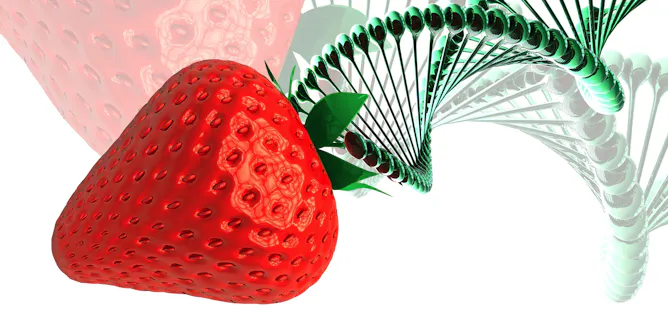
What criteria should be used to determine whether a food is natural? What if gene-editing techniques produce changes indistinguishable from those that evolve naturally? Is the food still natural?
Articles on Genetically modified crops
Displaying 21 - 40 of 47 articles

Farmers worldwide say Monsanto’s policy of charging for every use of its genetically modified seeds violates their planting rights. But judges in these patent law cases aren’t so sure.
South Australia has lifted its moratorium on GM crops, while Tasmania has extended its ban. But the question should no longer be a simple binary of being “for” or “against” GM technology.
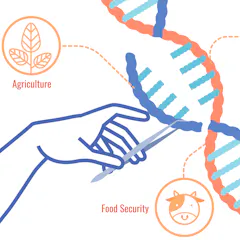
You may not agree with using the gene-editing tool, CRISPR, to alter the DNA of human babies. But what about using it to engineer plants? Or wipe out one of the world’s most dangerous creatures?
Is gene editing compatible with organic farming? A scholar explains the differences between old genetic engineering and CRISPR methods, and why the latter is similar to tradition plant breeding.
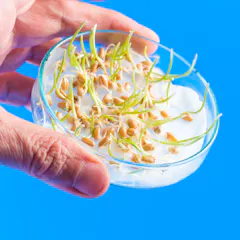
Genetic modification rules now cover gene edited crops but exclude plants bred traditionally with the same properties.
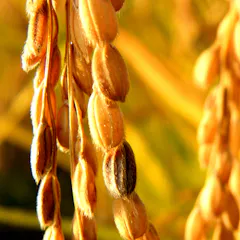
Why are consumers so reluctant to embrace genetically modified foods? A new study suggests agricultural biotech companies are failing to show consumers a personal benefit to buying GM foods.
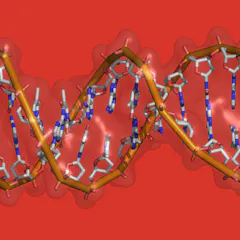
Researchers are starting to harness the potential of this much-hyped gene editing technique – with coming applications in medicine, biology and agriculture.
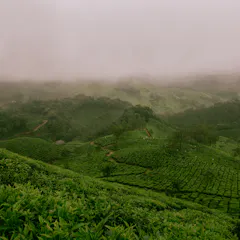
Sequencing the tea plant’s genome could help scientists breed new varieties that thrive in the degrading soil of tea farms.

Informing people about genetically modified food means more than dumping more facts on them.
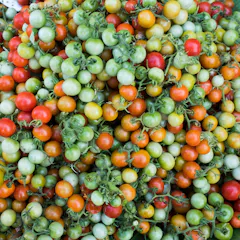
New research pinpoints the genes that could counteract decades of bland breeding.
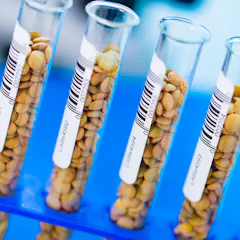
Genome editing and synthetic biology are giving rise to new forms of life. But do these organisms have conservation value as part of earth’s biodiversity?
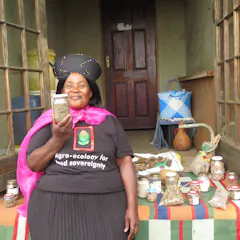
Since 2000, the growth of the commercial seed market has almost tripled. More than 63% of the world’s commercial seed is now owned by six corporations.
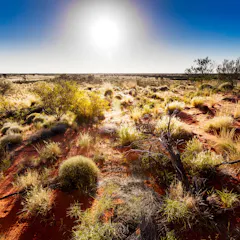
Australia’s deserts can be a harsh environment but plant life still survives there. So why not use them to develop the next generation of drought-resistant crops?
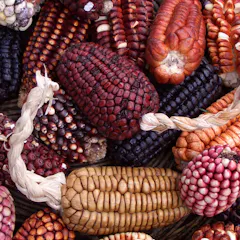
We can tweak levels of a special vitamin that acts as an appetite control system.
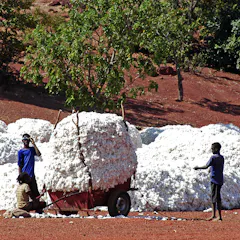
Burkina Faso, one of the largest GM cotton producers in the world, has begun a phase out of all Bt cotton production.

The upcoming TTIP trade agreement could force EU to liberalise GM regulations such as labelling.
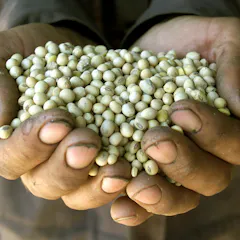
Scientists are developing GM crops that don’t need pesticides and other chemicals to help them grow. Isn’t that what organic farmers want too?

New research suggests how we could prevent genetically modified organisms from surviving - and potentially spreading - in the wild.
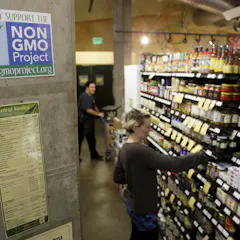
Statewide survey in Vermont finds GM food labels don’t scare consumers or indicate an inferior product. In some cases, labels built trust in the technology.
Top contributors
-

Associate Professor, International Studies Department, University of San Francisco
-
Professor and Chair of Philosophy, Wageningen University
-
Professor and Chair Community Development and Applied Economics, University of Vermont
-
PhD candidate, Newcastle University
-
Postdoctoral Scholar, University of California, Berkeley
-
Senior Lecturer in International Relations, University of Bath
-
Professor of Plant Science, Lancaster University
-
Professor of Ocean Leadership, University of Tromsø
-
Professor of Plant Sciences, University of Oxford
-
Professor and DSTI/NRF SARChI Bio-economy Research Chair, University of Cape Town
-
Associate Professor, Hill and Levene Schools of Business, University of Regina
-
Lecturer in Ecology, Evolution and Computational Biology, Newcastle University
-
Senior Lecturer in Medical Microbiology, Edinburgh Napier University
-
CEO, Crops for the Future Research Centre and Professor of Global Food Security, University of Nottingham
-
Professor of Sustainable Agriculture, Nottingham Trent University