

Can gene editing truly support smallholder farmers and help Indonesia achieve food sovereignty, or will it simply revive the old controversies surrounding GMO crops?
Articles on GM
Displaying 1 - 20 of 30 articles

A depressed robot, a drugged Kenyan and a singing Saab driver − what could go wrong?

Honda’s investments in Ontario is further evidence that Canada’s EV manufacturing sector is booming, and set to grow further.

The amended rules will slow the reduction in emissions from Australia’s polluting road transport sector and reflect alarming trends, here and abroad.

People who are suspicious of science often assume they are understand it well – and that others agree with them.

Elon Musk’s dedicated EV maker is miles ahead, but Nissan has several advantages over its legacy rivals.
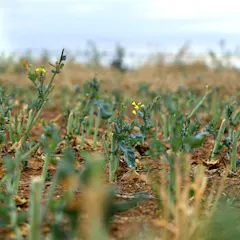
GM proponents say the technology leads to better crop yields and may solve food shortages and reduce pests. Opponents say GM is a threat to the environment and humans. So where does the truth lie?

If species already modify their genes, why shouldn’t we?
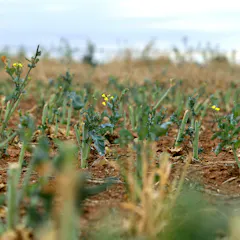
South Australia has lifted its moratorium on GM crops, while Tasmania has extended its ban. But the question should no longer be a simple binary of being “for” or “against” GM technology.
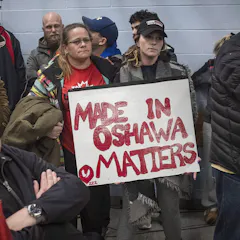
General Motors has announced it’s closing plants in Canada and the U.S. Many of the towns have built cars for decades or longer. A plant closing shatters people’s sense of belonging and identity.
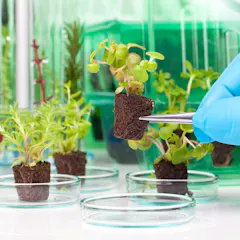
Many people are suspicious of GM crops, but new techniques could massively increase food production.
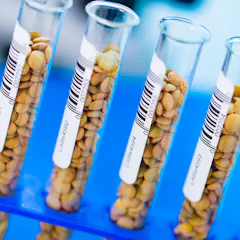
Genome editing and synthetic biology are giving rise to new forms of life. But do these organisms have conservation value as part of earth’s biodiversity?

When the GM crop debate is confined to the human risks, it limits who can participate in the decision making and privileges scientists.
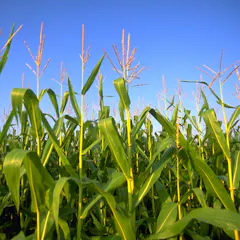
Science and technology has always helped us feed the world. GM has more to offer, if we let it.
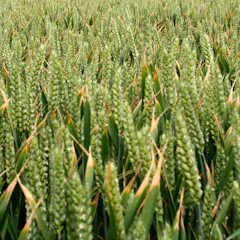
Modern agriculture is synonymous with monoculture. That lack of diversity is bad news for plants’ natural immune defenses. Researchers are figuring out how to help plants fend off microbes – without pesticides.
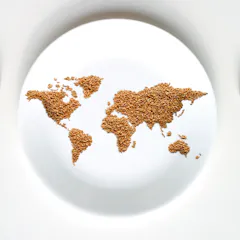
The concerns about genetically modified foods are well known. But when we look at population and climate projections, what happens if we don’t use them to increase our food supply?

The upcoming TTIP trade agreement could force EU to liberalise GM regulations such as labelling.

Monsanto an other biotech companies got caught short in the 1990s. But since then, the GM argument has been moving in their direction.
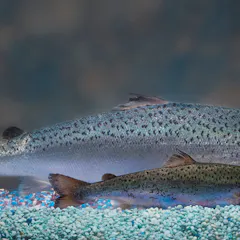
The US food authority may have approved GM salmon for our consumption, but it may take time before any appear in our stores.

New research suggests how we could prevent genetically modified organisms from surviving - and potentially spreading - in the wild.
Top contributors
-

Senior Lecturer in Medical Microbiology, Edinburgh Napier University
-
Visiting Fellow, Cornell University
-
Emeritus Fellow in Plant Biochemistry, University of Westminster
-
Professor of Natural Philosophy in the Department of Physics, University of York
-
Senior Research Fellow in Anthropology, Durham University
-
Professor of Geography, Durham University
-
Lecturer in Law, Queen's University Belfast
-
Ph.D. Student in the School of Plant and Environmental Science, Virginia Tech
-
Professor of Population Ecology, University of Leeds
-
School of Social Sciences, Monash University
-
Senior Research Fellow, Agroecological Futures, Coventry University
-
Professor of Ocean Leadership, University of Tromsø
-
Senior Lecturer in Food Biotechnology and Microbiology, Agriculture and Food Systems, The University of Melbourne
-
Director of Marine Sciences and Professor of Aquaculture, Flinders University
-
Visiting Professor of Biotechnology, King's College London