

How much privacy are we willing to give up in the name of cutting-edge science? And do we care about the kinds of research that will be done with our donations?
Articles on Genes
Displaying 161 - 180 of 208 articles

Some students struggle because of biological constraints on learning. This can be overcome to an encouraging degree, but only with special and adequate resources.
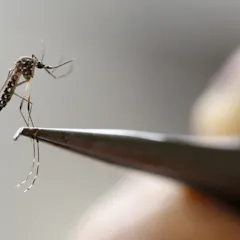
Look beyond transgenic techniques that add new genes to a species. People have used selective breeding techniques to change plants and animals for millennia – why not try them on mosquitoes?

Rotifers are tiny creatures found in ponds or puddles and can reproduce without sex. The theory says they should not have survived so how have they done it?

Many gene variants have been associated with schizophrenia, but we should be wary of these findings.
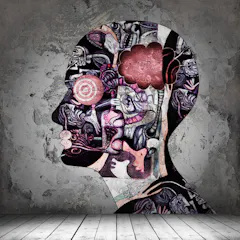
Gene mutation associated with schizophrenia could have implications for other developmental disorders.

Hans J. Eysenck’s views on genes and intelligence were considered controversial at the time. But do recent studies vindicate the man?

Short men and overweight women are less likely, on average, to succeed in life. But why?

You can’t do much about the genes you’re dealt, but the BELFAST study of nonagenarians shows that you can live a long and healthy life if you play your cards well.

Bats can carry some of the deadliest diseases known to affect humans and yet they don’t seem to get sick. So what can we learn from a bat’s immune system?
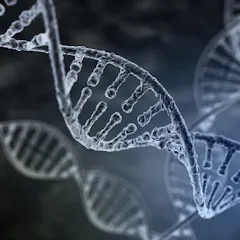
Scientists used to think that the 98% of human DNA that didn’t encode proteins was junk. They don’t think that anymore.
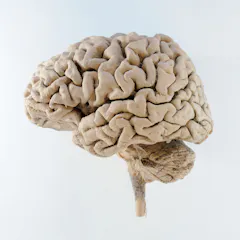
Many of the genes and transcripts associated with schizophrenia are only found in humans, which makes studying the disorder difficult. But scientists are slowly making progress.
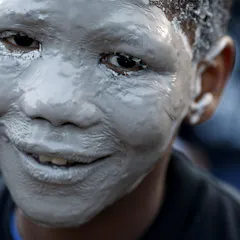
Human population groups worldwide are highly homogeneous genetically. They are in fact 99.5% similar and their anatomical features vary in an uncorrelated fashion over the landscape.
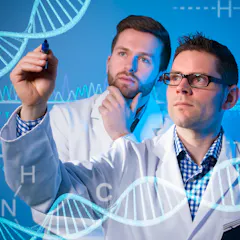
Research on how our lifestyles affect our genes raises the possibility of giving your future kids a better start in life before they’re even born.

As we consider the ethics of human gene editing, we need to understand what can and can’t be meaningfully edited.

Researchers want your canine’s DNA to help unravel the connections between genes and behavior – for dogs and human beings.
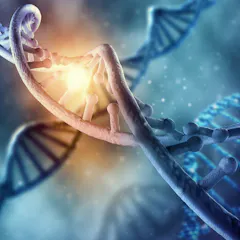
New genetic technology could change the DNA of entire species to prevent them from spreading diseases.

Despite science refuting the existence of different human races, people have used “race” throughout history to divide and denigrate certain people while promoting their claims of superiority.

How many times do people make the comment about which parent a child takes after. So what does genetics say?

Cats share some important genes associated with herbivores – this might explain their particular eating habits.
Top contributors
-
 Jenny Graves is a Friend of The Conversation.
Distinguished Professor of Genetics and Vice Chancellor's Fellow, La Trobe University
-
Sir Henry Wellcome Postdoctoral Fellow, King's College London
-
Professor in Functional Genetics, University of Aberdeen
-
Mark Elgar is a Friend of The Conversation.
Emeritus Professor of Evolutionary and Behavioural Ecology, The University of Melbourne
-
Research Scientist in Biostatistics, University of Washington
-
Assistant Professor of Environmental Health Sciences, UMass Amherst
-
Associate Professor in Obesity, UCL
-
Research Fellow at Institute of Psychology, Psychiatry and Neuroscience, King's College London, King's College London
-
Postdoctoral Researcher of Evolutionary Biology, University of Pennsylvania
-
Associate professor and Royal Society Research Fellow, Department of Psychiatry, University of Oxford
-
PhD Candidate, University of Cambridge
-
Emeritus Professor, University of Cape Town
-
Professor of Genetic Epidemiology, King's College London
-
Assistant Professor of Psychological Science, Boise State University
-
University Academic Fellow, University of Leeds