

Different kinds of Americans are generous in different ways.
Articles on Generosity
Displaying 1 - 20 of 31 articles

Grief can inspire concrete acts of loyalty and generosity.
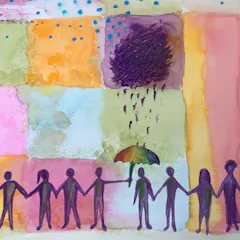
Compassion starts with the individual – self-care and personal wellness. It then radiates out to the wider community in the form of action and engagement.

All told, donors gave more than US$397 million to support recovery from the ‘black summer’ bushfire disaster.
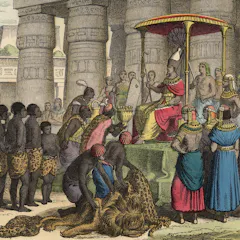
Gifting has evolved dramatically in Africa since humans first evolved the instinct to give.
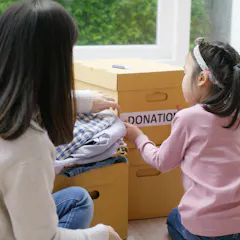
As we approach the season of giving, a child psychology researcher offers suggestions on how parents can teach their kids to be generous and kind.

The excesses Christmas promotes are still underpinned by the idea that generosity, compassion and empathy are values that matter.

Donors’ sentiments expressed on Twitter became more cheerful before they made a gift to support Wikipedia, researchers found.

In a study with people as young as 4 years old, participants underestimated how much others would appreciate their good deeds.

Research shows that religious people who actively participate in religious gatherings tend to have a more positive experience of Christmas, with expectations largely fulfilled.

The latest novel by twice Miles Franklin winner Alex Miller traces one woman’s journey from self-absorption and isolation, to generosity and friendship.
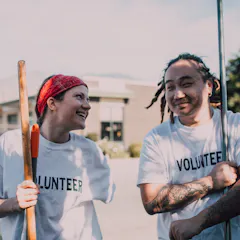
During times of stress and change, people are often advised to practice self-care by looking after themselves, yet what about the benefits of showing kindness to others?

A new study found the amount of sleep you had last night can even overwhelm people who have a tendency for kindness.
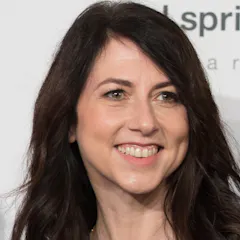
The approximately $12 billion she’s given away in the past two years has shattered conventions, explains a philanthropy historian.
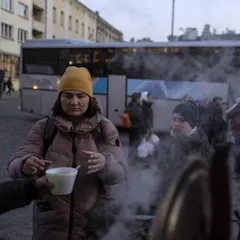
Given Poland’s long stance against immigrants and refugees, it might not always be a warm welcome for Ukrainians.
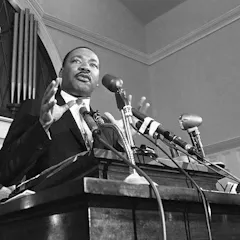
Big donors need to balance their ambitions to address injustices with the constraints on power that democracy requires.

It’s easy to assume that the practice has few, if any, downsides. But a new study explored some of its social repercussions.

The findings suggest adults feel more prosocial with children around – even if they don’t have any themselves.

Women’s philanthropy, which has always been very important, has remained invisible for a long time. There are many reasons for this paradox.
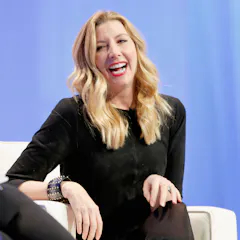
A careful review of more than 200 letters written by the wealthy people who signed the Giving Pledge over its first decade suggests a big contradiction.
Top contributors
-

Chancellor's Professor of Medicine, Liberal Arts, and Philanthropy, Indiana University
-
Associate Professor of Philanthropic Studies, Indiana University
-
Senior Research Associate in Life Sciences, UCL
-
Professor of Developmental Psychology, University of Sussex
-
Senior Lecturer in Psychology, City St George's, University of London
-
Lecturer, Strategy Beedie School of Business, SFU, Simon Fraser University
-
Lecturer in Social Psychology, University of Bath
-
Professor of Psychology, University of Bath
-
Professor of English Literature, University of Southern Queensland
-
Professor of Public Theology in the Department of Beliefs and Practices, Faculty of Theology, at the Vrije Universiteit Amsterdam (Free University of Amsterdam), Vrije Universiteit Amsterdam
-
Associate Professor of Psychology, University at Buffalo
-
Professor, Canada Research Chair in Determinants of Child Development, Owerko Centre at the Alberta Children’s Hospital Research Institute, University of Calgary
-
Lewis Professor and Department Head of Psychology, University of Oregon
-
PhD Candidate in Social Psychology, Simon Fraser University
-
Postdoctoral research fellow, University of Birmingham