

Three economists explore the viability of a UN-backed one-stop licensing ‘hub’ for making essential, often life-saving biotherapeutics and vaccines both affordable and more widely available.
Articles on Generic drugs
Displaying 1 - 20 of 24 articles

As the generics market for a particular drug gets crowded, competition on price might be driving quality issues that could harm patients.

The major parties say they won’t use the PBS as a bargaining chip in US tariff negotiations. They also need to resist pressure to slow down access to generic drugs.

An inhaler that costs nearly $300 in the US goes for just $9 in Germany. What gives?

The shortages, which have been going on for years, have typically affected only low-cost generics rather than profitable brand-name drugs.

The Medicines Patent Pool was created to promote public health, facilitating generic licensing for patented drugs that treat diseases predominantly affecting low- and middle-income countries.
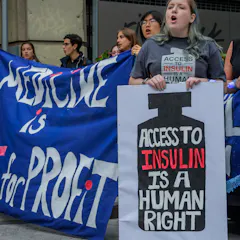
About 1 in 4 Americans with diabetes who need insulin struggle to pay for this lifesaving drug.
Drug repurposing can redeem failed treatments and squeeze out new uses from others. But many pharmaceutical companies are hesitant to retool existing drugs without a high return on investment.

Changes in the latest federal budget will mostly affect people who need multiple medicines throughout the year, perhaps for chronic disease. But there are other ways to reduce drug costs.
Generic drug names are often long, but they can tell doctors what type of medicine it is and how it works. But it’s brand names that appear first and most prominently in Health Canada materials.

Waiver talks might convince companies to focus on technology transfer and training, and let go of the plan to maximise patent-based revenues.
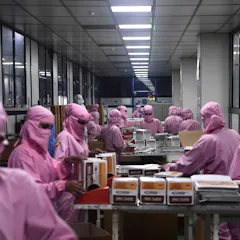
There are three broad sets of health-related opportunities and benefits that may shape the future of India-Africa relations.

There are ingredients in your pills other than the one designed to treat your ailments. Those unnamed ingredients can alter how you respond to a medicine or even make you sick.

Drug shortages occur regularly in the US, even in the best of times. The pharmaceutical supply chain embodies ‘just in time’ shipping and has little built-in redundancy.

As drug prices soar, consumers look for cheaper generics. A recent study showed safety issues in some generics made abroad, however, suggesting that the FDA’s honor system may not be enough to ensure safety.
Biologics, therapies made inside or of living cells, are a growing share of pharmaceutical sales. But the cost of these miracle treatments makes them unaffordable for many. New FDA guidance may help.

Insurance companies sometimes try to cut costs by substituting less expensive drugs for a specific drug prescription. That’s raising problems in many cases, and actually causing harm.

Fixes for small pieces of massive problems show that overarching crises may be less hopeless than they appear.

Small-batch brewers are starting to tinker with biologic drugs to meet their own medical needs. A side effect of their success would be a disruption to how big pharma makes and distributes drugs.

A push towards prescribing generic medications rather than their branded equivalents, as flagged in the budget, may have benefits beyond simple cost savings.
Top contributors
-

Distinguished Professor of Pharmacy Practice, University of Connecticut
-
Professor of Intellectual Property Law, City St George's, University of London
-
Palliative Medicine Physician, Senior Research Fellow, The University of Melbourne
-
Professor, Abell Chair in Synthetic Biology, Colorado State University
-
Postdoctoral Researcher in Chemical and Biological Engineering, Colorado State University
-
Adjunct associate, Lancaster University
-
Professor and Director, Centre for African Studies, University of Mumbai, University of Mumbai
-
Assistant Professor of Internal Medicine and Medicinal Chemistry, University of Michigan
-
Senior Lecturer in International Economic Law, University of Edinburgh
-
Postdoctoral Fellow in Quality of Medical Products, University of California, San Francisco
-
Professor of Law, Georgia State University
-
Assistant Professor, Department of Family and Community Medicine, University of Toronto
-
Professor of Health Economics, The University of Melbourne
-
Ph.D. Candidate in Industrial and Operations Engineering, Clemson University
-
Professor of Industrial and Operations Engineering, University of Michigan