
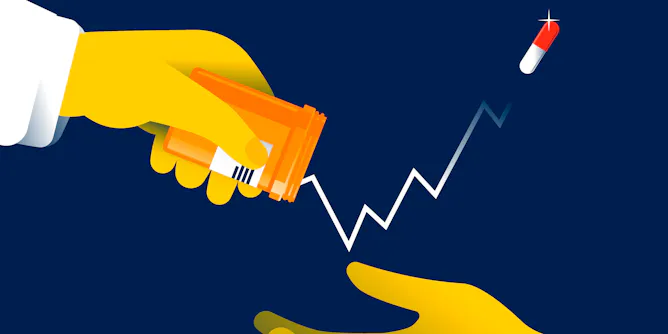
By extending their monopoly on a drug, companies prevent generics and other competitors from driving down prices. But increasing transparency can help prevent Big Pharma from gaming the patent system.
Articles on Drug patents
Displaying 1 - 20 of 23 articles
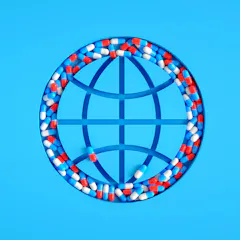
Pharmaceutical companies have little incentive to sell drugs to countries that can’t afford them. But bargaining together can increase access to vital treatments worldwide.

The major parties say they won’t use the PBS as a bargaining chip in US tariff negotiations. They also need to resist pressure to slow down access to generic drugs.

An inhaler that costs nearly $300 in the US goes for just $9 in Germany. What gives?

Theranos was dissolved years ago, and its CEO, Elizabeth Holmes, is in prison, but the company’s patents based on bad science live on – a stark example of the persistence of faulty information.
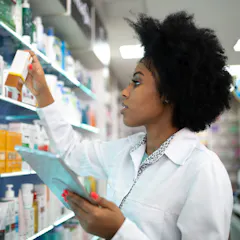
The shortages, which have been going on for years, have typically affected only low-cost generics rather than profitable brand-name drugs.
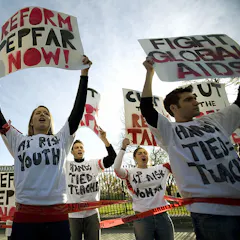
The US PEPFAR initiative has brought HIV medication to millions of people globally. Behind this progress are the activists that pressured politicians and companies to put patients over patents.
The Medicines Patent Pool was created to promote public health, facilitating generic licensing for patented drugs that treat diseases predominantly affecting low- and middle-income countries.

Waiving patent rights on COVID-19 vaccines and drugs is still crucial to ensure access globally, but the waiver on the table at the June World Trade Organization meeting doesn’t do the job.
Drug repurposing can redeem failed treatments and squeeze out new uses from others. But many pharmaceutical companies are hesitant to retool existing drugs without a high return on investment.
The path to using old drugs for COVID is full of potholes. So why are we using the same old flawed methods when we actually know what works?
The pharmaceutical industry overall has been deeply opposed to waiving COVID-19 vaccine patents, but a historian of the industry explains that drug companies once opposed patents altogether.
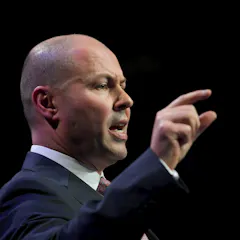
Lowering the tax rates on profits from patents registered in Australia is unlikely to increase local research and development. But it will be a gift for multinationals.
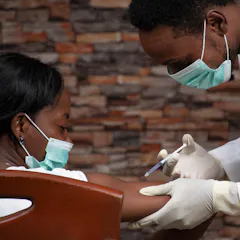
A transcript of The Conversation Weekly podcast episode #3.
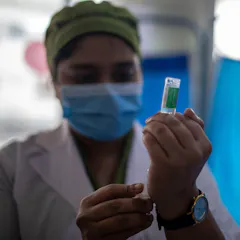
Plus new research on why China is closing down coal-fired power stations. Listen to episode 3 of The Conversation Weekly.

The TRIPS waiver makes COVID-19 treatments more accessible globally by enabling manufacture and distribution of COVID-19 drugs and medical supplies that would normally be protected by patents.

Drug companies normally use patents to protect new treatments.
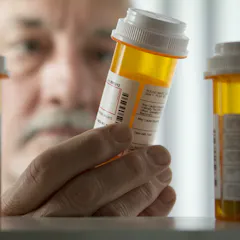
Presidential candidates and the current president have all talked about ways to lower drug costs, but experts know it is going to take more than politics to change how drugs are priced in the US.

Insurance companies sometimes try to cut costs by substituting less expensive drugs for a specific drug prescription. That’s raising problems in many cases, and actually causing harm.
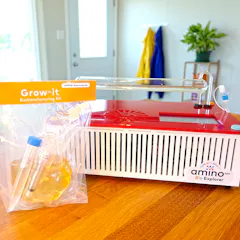
Small-batch brewers are starting to tinker with biologic drugs to meet their own medical needs. A side effect of their success would be a disruption to how big pharma makes and distributes drugs.
Top contributors
-

Professor and Distinguished Research Chair, Globalization and Health Equity, L’Université d’Ottawa/University of Ottawa
-
Assistant Professor of Resource Economics, UMass Amherst
-
Professor and Associate Dean (Education), University of Nottingham
-
Part-time lecturer at the Global Health & Social Medicine, Harvard University, and Lecturer at the School of Public Health, College of Health Sciences, University of Liberia
-
Senior Lecturer in Biochemistry and Cell Biology, University College Cork
-
Professeure titulaire, École de santé publique, Université de Montréal
-
Assistant Professor of Internal Medicine and Medicinal Chemistry, University of Michigan
-
Associate Professor of Health Behavior & Health Education, University of Michigan
-
Associate Professor of History, Florida International University
-
Professor of Health Law and Bioethics, Case Western Reserve University
-
Director of Health Policy, USC Schaeffer Center, and Associate Professor, University of Southern California
-
Associate Professor of History and Social Medicine, Florida State University
-
Professor, Abell Chair in Synthetic Biology, Colorado State University
-
Professor and Deputy Director/NHMRC Fellow, Institute for Glycomics, Griffith University
-
Professor of Law, Villanova University