

History has shown that when manufacturers skimp on sterile filtration of drugs, the consequences can amount to the loss of hundreds of lives and millions of dollars.
Articles on Pharmaceutical industry
Displaying 1 - 20 of 68 articles

The price cap would have lowered costs for Enbrel, an immunosuppressant drug made by Amgen.

Some industry-funded clinical trials show signs of being designed to market drugs rather than to test them for their safety and effectiveness. Detecting these studies remains difficult.

Officials and policymakers say direct-to-consumer drug advertising encourages patients to seek treatments they don’t need and raises heath care costs, but the true picture is more nuanced.

To lower health care costs, the Trump administration will have to wrangle a complex system fraught with competing interests.

Before Canada decides to rely on foreign drug regulators to approve new medicines, Health Canada needs to show that it will improve public health.

The US withdrew from treaty negotiations on President Trump’s first day in office.

Researchers have applied AI to every step of the drug development process. But this might not be enough to design safe and effective drugs.

Many claims about the dangers of vaccines come from misrepresenting scientific research papers.

Patient advocacy groups are often funded through pharmaceutical companies, but there are currently no regulations governing disclosure of this potential conflict of interest.
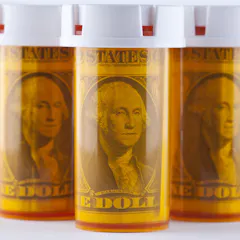
Both Trump and Harris seek to lower drug costs for patients. What headway have they made on realizing this goal?

Direct advertising of branded prescription drugs can lead patients to seek unnecessary medicines and treatments. Repealing the current law could help prevent this, and reduce health spending.

Cancer patients will benefit from the investment but so will people with other health conditions because the funding also covers medicines that Pharmac ranked as more important.

We suspect these drug company payments are just the tip of the iceberg.

Growing evidence shows industry payments to doctors play a key role in unethical pharmaceutical marketing. New Zealand’s disclosure scheme fails to capture all companies and payment types.

Horseshoe crabs play a unique role in medicine, but they’re also ecologically important in their home waters along the Atlantic coast. Can regulators balance the needs of humans and nature?

A national procurement program for essential medicines could provide a principled, evidence-based solution to the current challenges facing a national pharmacare program in Canada.

Pharmaceutical and insurance industries that could lose profit through lower drug prices are not happy that a pharmacare bill is planned for fall. They are speaking out and mobilizing their allies.

The federal government’s proposed Agile Licensing drug approval regulations mean Canada will have less information about the risks of new medicines, and higher costs.

An anthropology course explores how peoples and cultures around the world use nature-based medicines to heal.
Top contributors
-

Associate professor, Department of Family and Community Medicine, University of Toronto; York University, Canada; University of Sydney
-
Professor in Pharmaceutical Policy, School of Pharmacy and Charles Perkins Centre, University of Sydney
-
Senior Research Manager, University of Sydney and Honorary Assistant Professor, Bond University
-
Distinguished Professor of Pharmacy Practice, University of Connecticut
-
Professor of Philosophy, Binghamton University, State University of New York
-
Professor, School of Population and Public Health, University of British Columbia
-
Associate Professor in Psychological Medicine, University of Auckland, Waipapa Taumata Rau
-
Graduate Student, University of Manitoba
-
Associate Professor & Chair of Eco-Entrepreneurship, McMaster University
-
Professor and Head, Division of Clinical Pharmacology, Faculty of Medicine and Health Sciences, Stellenbosch University
-
Professor of Health Economics, Flinders University
-
Research Assistant Professor of Pharmacy, University of Washington
-
Professor of Chemistry, Northeastern University
-
Associate Professor in Pharmacology, Flinders University
-
Honorary Research Fellow, University of Bath