

Three questions can help patients get a better handle on drug and health care options. But many Americans still hold back from asking providers for information.
Articles on Drug prices
Displaying 1 - 20 of 48 articles

US consumers, already feeling pain at the gas pump, can expect higher prices and prolonged shortages for goods of all sorts, including food, as additional consequences of slowed oil production.

Officials and policymakers say direct-to-consumer drug advertising encourages patients to seek treatments they don’t need and raises heath care costs, but the true picture is more nuanced.

To lower health care costs, the Trump administration will have to wrangle a complex system fraught with competing interests.

Additional policy changes can help change key factors that drive obesity.

The Patented Medicine Prices Review Board’s mandate is to make sure that drug prices are not excessive. However, new guidelines that change criteria for assessing prices may lead to higher prices.

U.S. tariffs present not only a risk of Canadian job losses — and loss of access to employer-sponsored drug plans — but also the risk of higher prescription drug prices.

As the middlemen between drug companies and insurers, PBMs are shoo-ins as the villains behind high drug prices. But they do play a useful role in the health marketplace.

Both Trump and Harris seek to lower drug costs for patients. What headway have they made on realizing this goal?

Harris and Trump have starkly contrasting records on health care. This analysis examines their differing approaches to Medicare, the ACA, drug pricing and other public health efforts.

An inhaler that costs nearly $300 in the US goes for just $9 in Germany. What gives?

A national procurement program for essential medicines could provide a principled, evidence-based solution to the current challenges facing a national pharmacare program in Canada.

Pharmaceutical and insurance industries that could lose profit through lower drug prices are not happy that a pharmacare bill is planned for fall. They are speaking out and mobilizing their allies.
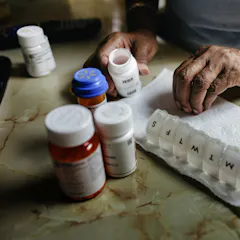
The drug pricing reform may drastically lower prices for some of the most critical life-saving drugs in the long run. But numerous obstacles stand in the way.

The shortages, which have been going on for years, have typically affected only low-cost generics rather than profitable brand-name drugs.

Canadians pay very high drug costs, but Canada also does not receive the same economic benefits from pharmaceutical industry investments as other countries do.

The pharma industry claims lower prescription drug prices will mean less access to new medication for Canadians. It’s an old threat that pits profits against patients’ rights to affordable drugs.

The benefit of an injectable product is that it avoids the adherence issues related to taking a pill daily.

Changes to Canada’s Patented Medicine Prices Review Board regulations have been postponed for a fourth time in two years as Canadians continue to pay some of the highest drug prices in the world.

Any pharmacare plan that aims to remove financial barriers to treatment and eliminate inequities should prioritize those who face the highest out-of-pocket drug costs, such as people with disabilities.
Top contributors
-

Associate professor, Department of Family and Community Medicine, University of Toronto; York University, Canada; University of Sydney
-
Distinguished Professor of Pharmacy Practice, University of Connecticut
-
Professor of Health Economics, Flinders University
-
Research Fellow, Flinders University
-
Associate Professor of Public Health, The Ohio State University
-
Adjunct associate, Lancaster University
-
Associate Professor in Health Economics, Flinders University
-
Adjunct professor, Department of Health Policy & Management, George Washington University
-
Professor of Bioethics, Macquarie University
-
Associate Professor of Law, Washington University in St. Louis
-
Professor of Public Health, La Trobe University
-
Professor of Bioethics & Medicine, Sydney Health Ethics, Haematologist/BMT Physician, Royal North Shore Hospital and Director, Praxis Australia, University of Sydney
-
Macquarie University Research Fellow, Macquarie University
-
Adjunct Associate Professor, School of Social and Political Sciences, University of Sydney
-
Dean of the Sol Price School of Public Policy; Distinguished Professor of Pharmacy, Public Policy, and Economics, University of Southern California