

Long-acting treatments could reduce missed doses and ease the burden of taking medicines every day, while giving patients more choice.
Articles on Medicines
Displaying 1 - 20 of 140 articles

Your genes can affect how some medicines work. A reusable result could help doctors prescribe more safely, alongside other clinical evidence.

A new system to approve medicines faster has been introduced. But barriers to RSV protections show why that’s only one step in getting them to patients.

Monoclonal antibody drugs like Keytruda attack cancer cells in a different way to chemotherapy drugs.
Three economists explore the viability of a UN-backed one-stop licensing ‘hub’ for making essential, often life-saving biotherapeutics and vaccines both affordable and more widely available.

Along with dopamine and noradrenaline, this new drug also impacts levels of serotonin.

It sounds gross. Drugs seeping out of your body may be damaging your leather sofa. But how worried should we be, really?
How to recognise an adverse drug reaction, and why reporting it could help protect others.
It’s hard to know exactly how big an issue this is today, whether this is becoming more common or how much it costs taxpayers. But here’s what we know so far.

Yes, telehealth has improved access for people seeking ADHD treatment. But a new study suggests it’s also a money spinner.
Fake and diverted medicines are reaching UK patients through cloned pharmacy websites and social media – here’s how to spot them.
International drug companies are threatening to remove medicines from the market if Australia doesn’t offer them a better price. Here’s what’s at stake.
From October 1, specially qualified nurses will be able to prescribe medications and renew scripts at the subsidised price.
Heatwaves don’t just threaten your skin, they can damage insulin, inhalers and other medicines too, sometimes without any visible warning signs.

The psychiatrist used to have to stay with the patient during their entire session. Now they’ll be able to leave the room after administering the drug.
Business is booming for fakes, worth at least US$467 billion a year worldwide. But some fake products can pose serious health risks to unsuspecting buyers.
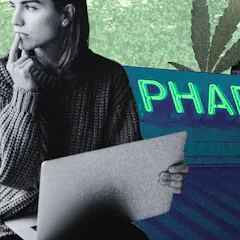
We asked 5 experts if clinics should be allowed to prescribe medicinal cannabis if they have financial links to the supplier or dispenser. Here’s what they said.
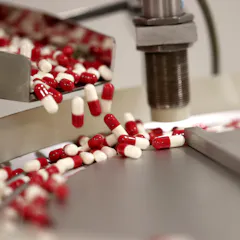
Nigeria’s reliance on imported medicines is the outcome of a policy vacuum that has entrenched interests in commercially attractive, low-risk imports.

US consumers, already feeling pain at the gas pump, can expect higher prices and prolonged shortages for goods of all sorts, including food, as additional consequences of slowed oil production.

Liquid medicines are often messy, expensive and hard to give so why do they remain the default?
Top contributors
-

Professor of Pharmaceutical Chemistry, Macquarie University
-
Lecturer Pharmacy Practice, University of Sydney
-
Associate Professor in Pharmacy Practice, Kingston University
-
Professor in Pharmaceutical Policy, School of Pharmacy and Charles Perkins Centre, University of Sydney
-
Professor of Public Health, La Trobe University
-
Pharmacist and PhD Candidate, University of Sydney
-
Director and Taylor Family Chair, Centre for the Business & Economics of Health, The University of Queensland
-
Associate Lecturer and Registered Pharmacist, University of Sydney
-
Associate professor, University of Sydney
-
Senior Lecturer, Pharmacy, Aston University
-
Associate Lecturer, Sydney Pharmacy School, University of Sydney
-
Lecturer - Women's Health; Pharmacology, School of Biomedical Sciences, The University of Western Australia
-
Purple House Medical Advisor. Honorary ANU., Australian National University
-
Senior lecturer, School of Pharmacy, University of Sydney
-
Clinical Associate Professor in Pharmacy, University of Canberra