
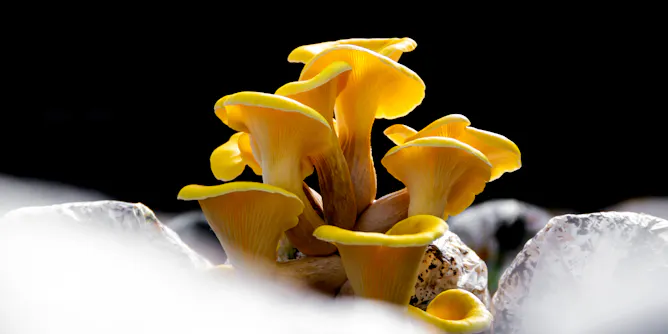
Kits that help people grow their own golden oyster mushrooms at home may be one reason this nonnative species is now spreading in the wild.
Articles on Fungi
Displaying 21 - 40 of 155 articles
Some mushrooms are sturdier than others, but it isn’t necessarily because of their chemistry – it’s how the filaments that make them up are arranged.

Most fungi that partner with plants are known only from trace DNA sequences left in soil.
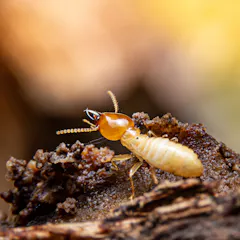
One fossilised log from southern Australia has spilled the dirt on termites’ very cold and very ancient past.
A culture collection of more than 500 fungal strains from seawater, sediments and seaweeds is helping scientists better understand marine fungi.
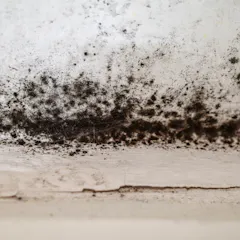
We still hear black mould in our homes described as toxic. But it’s the allergies and asthma they trigger we should be more worried about.

Some say Latin names are elitist and incomprehensible, but they started out as a way to be inclusive.

Most of Australia’s plants rely on a hidden underground network of fungi for water and minerals. They could be in trouble – but we don’t have the data to know.
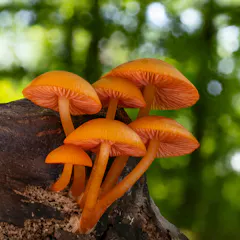
Fungi are essential to our ecosystems, our societies and economies.
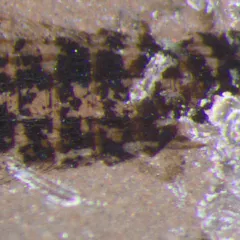
This is the first time that a fossil thrips has been recorded anywhere in Africa, or the entire southern hemisphere.
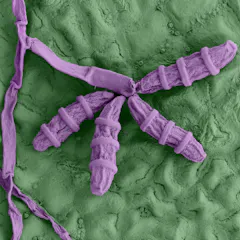
Despite being known to science for over a century thanks to a few early pioneering marine mycologists, most people have never heard of marine fungi.
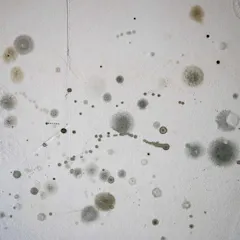
Mold growth happens in damp indoor areas and is difficult to prevent. It can be an annoyance but usually isn’t harmful to your health.

Be very afraid – if you’re an insect.
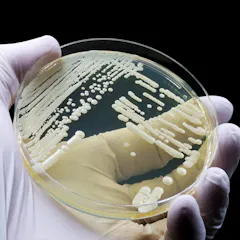
And, as with antibiotics, their widespread use in agriculture is serious problem.

Months of wet weather have created the perfect conditions for a fungal bonanza.

Imagine using tailored soundscapes to restore ecosystems, simply by amplifying recordings of sonic cues that attract wildlife, stimulate plant growth and rebuild relationships between species.

Six fungi species were tested and three were found fast and effective at infecting and destroying woolly apple aphids.

New research examines how citizen science data contributes to decisions by governments and conservation organisations about which species are at risk of extinction, and how they can be conserved.
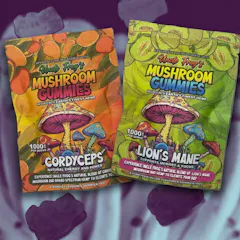
Several Australians have been hospitalised after consuming ‘mushroom gummies’. This highlights the challenges of regulating products that fall somewhere between a food and a medicine.

Bushwalkers with smartphones could help scientists track a fungus lethal to many of Australia’s most loved trees.
Top contributors
-

Cornelius Vanderbilt Chair in Biological Sciences, Professor of Biological Sciences and Biomedical Informatics, and Director of the Vanderbilt Evolutionary Studies Initiative, Vanderbilt University
-
Associate Professor of Mycology and Plant Pathology, West Virginia University
-
Professor in Plant-Soil Processes, University of Sheffield
-
Adjunct academic, mycology, Flinders University
-
Lecturer in Mycorrhizal Ecology, Hawkesbury Institute for the Environment, Western Sydney University
-
Postdoctoral Researcher in Mycology, Earlham Institute
-
Professor, Immunology and Immunotherapy, University of Birmingham
-
Postdoctoral Researcher in Mycology, West Virginia University
-
Honorary Professor Department of Biological and Environmental Sciences, University of Stirling
-
Associate Lecturer, Department of Biology, Lund University
-
Professor of Microbiology, The Wellcome Trust Research Laboratory, Division of Gastrointestinal Sciences, Christian Medical College, Vellore
-
Professor and ARC Future Fellow, Hawkesbury Institute for the Environment, Western Sydney University
-
Senior Research Associate, School of Agriculture, Food and Ecosystem Sciences, The University of Melbourne
-
Chairperson, Centre of Social Medicine and Community Health, Jawaharlal Nehru University
-
Senior Lecturer in Clinical Microbiology, University of Leicester