
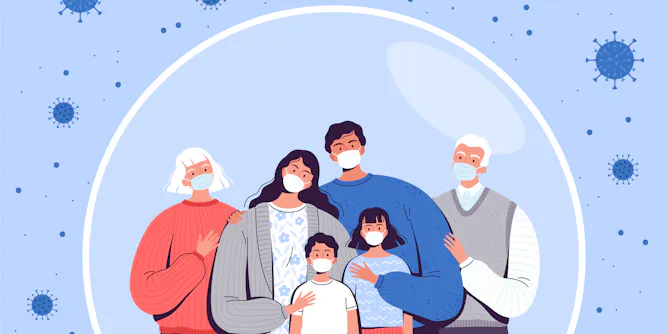
People are turning to quarantine bubbles as a way to see friends and family while limiting the risk from the coronavirus. Research shows that this can work, but it’s not easy to be in a quaranteam.
Articles on Friendship
Displaying 121 - 140 of 189 articles
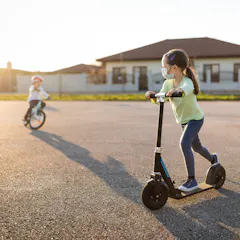
In some parts of the US, a silver lining of COVID-19 may be a return to childhood friendships based in neighborhoods.

Together the social and emotional ‘jobs’ of adolescence – developing intimate friendships and achieving autonomy – make teens uniquely resistant to calls for social distancing.
Men seem less comfortable celebrating their friendships – to their own detriment.
If you suspect your child – whether they are in early childhood education and care, primary or secondary school – has a questionable friend, here are some tips on how to deal with it.

Parents shouldn’t fear putting tech under the tree. In fact, it could bring families closer together.

Resilience is the ability to bounce back from stressful life events. Teenagers with at least one close friend and strong family relationships are more resilient than teens without such relationships.
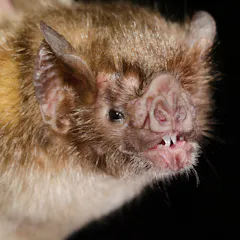
Vampire bats form social bonds similar to human friendships – and they’re good friends to those in need.

A 40-year friendship ends badly and publicly, leading to a forensic examination of what it means to have and be a friend.

Many of us go through life in the hope of finding the ideal soulmate – our missing half. The reason may be deeply embedded in religious beliefs.

In the late 1970s, 52 percent of 12th-graders hung out with their friends almost every day. By 2017, only 28 percent were doing so.

We know being nice is good for friendships. But we wanted to find out why some antisocial people are socially successful. So we looked at whether rebels had more friends in high school than nice kids.

Facebook users no longer see the site as a confidant. They’re struggling with how to deal with a messy codependence – and whether to just break up and move on with healthier friends.
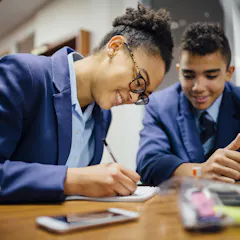
Navigating friendships as a teen can be hard. Parents can help by modelling good behaviour and making sure their teen feels they can talk to them about their friendships.
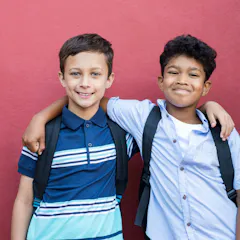
Making good friends in primary school is not always an easy task. Here’s how teachers and parents can help.
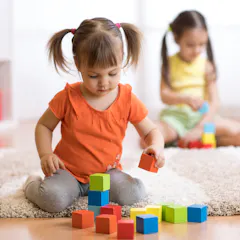
Encouraging good social skill development benefits your young child throughout their life.
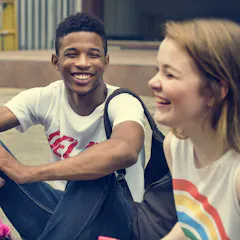
More than 800 students told researchers what they value most in their friends.

Learning to form friendships is a key part of growing up.

People kept diaries for two weeks recording how often things about them were forgotten. The results turned out to be surprising.
Introverts, don’t worry.
Top contributors
-

Assistant Professor of Psychology, Pomona College
-
Professor of Psychology, San Diego State University
-
Assistant Professor of Psychological Science, Boise State University
-
Professor, Academy of Geography, Sociology and International Studies, Hong Kong Baptist University
-
Assistant Professor of Psychology, Wayne State University
-
Professor of Health Studies, University of Westminster
-
Associate Professor of Communication, Wayne State University
-
Professor of Communication, University at Buffalo
-
Social Psychologist, University of Texas at Arlington
-
Assistant Professor of Philosophy, University of Minnesota Duluth
-
Lecturer, Australian Catholic University
-
Associate Professor and Clinical Psychologist, Swinburne University of Technology
-
Professor of Psychology, Australian Catholic University
-
Lecturer, School of Education (Qld), Australian Catholic University
-
Associate Professor, School of Psychology, UNSW