

Put down the coffee, walk away from the zebra crossing, think beyond chic and get more creative.
Articles on Quarter Life
Displaying 1 - 20 of 454 articles

Friendships are complicated relationships that can require more than an all-or-nothing choice. A therapist explains how to distinguish between conflict, change and genuine harm.

Most young people aren’t religious – but marriage is still a place where secular culture has quietly absorbed many of the values we associate with religion.

New research suggests seeing singlehood as an opportunity for growth can help people embrace new experiences and feel better about being single.

An increasing number of women are turning to “social” egg freezing each year.

Retirement may feel distant in your 20s and 30s, but small, deliberate steps now can make a difference later.

Seeing a loved one lose significant weight or struggle with eating and exercise can be concerning. Approaching a conversation with respect and care can avoid the harms of speculation and silence.

Weaving is one of humanity’s oldest crafts, but its patterns helped inspire early computing. Today, textile makers are using conductive yarns and digital looms to invent new kinds of technology.
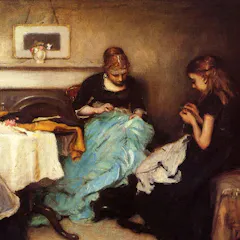
These are the easiest embroidery techniques to attempt for beginners.

Parenthood eats everyone’s hours, but it takes different bites depending on the size of your bank account.

If you’re looking to be loved, Simone de Beauvoir would warn you to look away from AI.

Sometimes the best escape isn’t a weekend away. It’s the park just down the road.

Despite being more connected than any previous generation, many young people report struggling to build friendships that provide a genuine sense of closeness.

Maybe think of small talk as a technology: a human invention for accomplishing social goals.
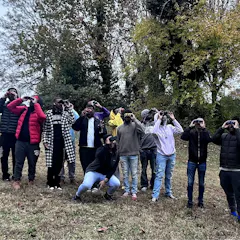
With social media communities and naturalist apps, birding is easier to get into than ever. A psychologist explains why it may also be just what the doctor ordered.

Stories about young queer people coming of age and finding love have touched people across age and identity, bringing healing after the AIDS crisis and harsh upbringings.

If children don’t want to attend a competition or continue with a sport at all, they should be able to say so.

A growing wave of content suggests what feels ‘real’ online is changing.
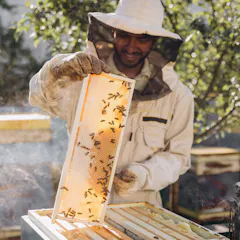
Caring for bees requires patience in place of speed, attentiveness rather than dominance and cooperation instead of competition.

Career influencers and resume services profit from exaggerated claims about how applicant-tracking systems work. Most of the popular advice is not backed by evidence.
Top contributors
-

Senior Lecturer in Psychology and Sex and Relationship Therapist, University of Westminster
-
Lecturer in Social Psychology, Loughborough University
-
Associate Professor, Centre for Positive Health Sciences, RCSI University of Medicine and Health Sciences
-
Associate Professor of Psychology and Inclusion, University of Bristol
-
Professor of Social Psychology, Anglia Ruskin University
-
Associate Professor of Strategy and Organizational Theory, Mount Royal University
-
Assistant Professor, Social Work, Mount Royal University
-
Associate Dean of Humanities and Social Sciences, University of Winchester
-
Associate Professor, School of Health Studies, Western University
-
Lecturer, Centre for Positive Psychology and Health, RCSI University of Medicine and Health Sciences
-
Senior Lecturer in Psychology of Relationships, University of South Wales
-
Senior Lecturer in Journalism, University of Westminster
-
Senior Lecturer in Finance, King's College London
-
Reader in Education with Psychology and Centre for Death and Society, University of Bath
-
Professor of Health Studies, University of Westminster