
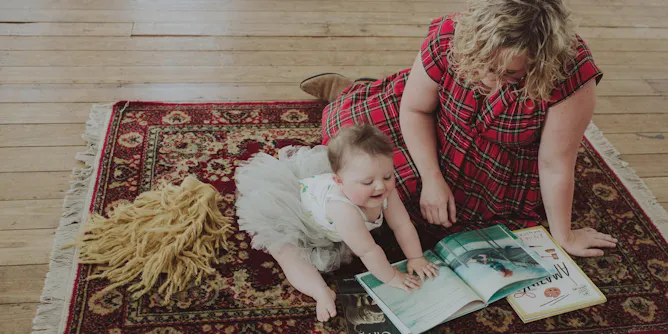
The lack of strong female characters in children’s picture books is oft-lamented. But a new crop of books invites girls to write themselves into history.
Articles on Friday essay
Displaying 361 - 380 of 399 articles
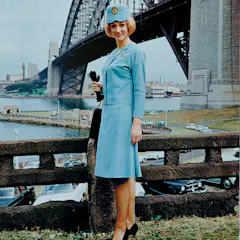
Being an air hostess in the 1960s was a sought after job. But bodies were carefully policed: at Qantas, if a hostess put on too much weight she could be rostered off until she’d lost it.

The introduction of a new Muppet on Sesame Street represents an encouraging cultural shift in the portrayal of characters with autism. But there is still a way to go.
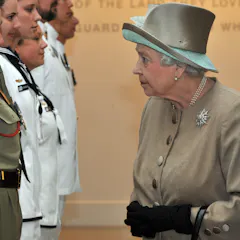
As Australians once found spiritual communion through allegiance to the British monarch, they find similar virtues in Anzac today. Can the republican movement connect with a large enough number of people in a similar way?
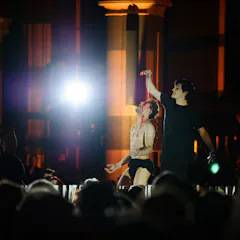
Each year at Easter, Christians recreate the spectacularly violent end of Jesus’s life, raising some tough questions about the depiction of suffering on stage.
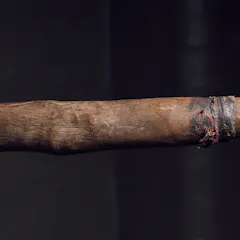
The yidaki, a musical instrument owned by the Yolngu people of North East Arnhem Land, is created by both termites and instrument makers, who tap trees to find hollow logs. A new exhibition tells its fascinating story.
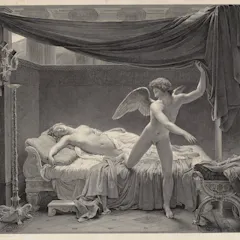
In early modern times, wooing happened at balls and markets and in churches; while sex was obtained in bathhouses, inns, brothels and alleyways. Art tells the story.

Fifty years of correspondence is stored at the Germaine Greer archive. It ranges across topics as diverse as US politics, grassroots feminism, gardening and Queen Victoria’s underpants.
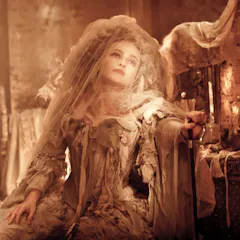
Grotesques, prattlers, hysterical women … historically, spinsters have had a raw deal in fiction. But astonishingly, the situation for older single ladies in contemporary novels has scarcely improved.
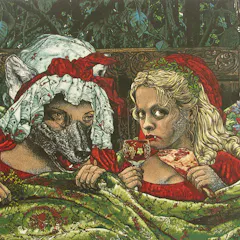
From witch-hunts to the suffragettes, belief in womanly werewolfs has flourished at times when the female gender was under threat. But in contemporary fiction, film and art, werewolf lore is evolving in surprising ways.

History is writ large in the remote areas around Woomera and the Nullarbor: from the fossils of microscopic, cell-like creatures to ancient stone tools to the deitrus of rocket tests and the painful legacy of the Maralinga atomic blasts.
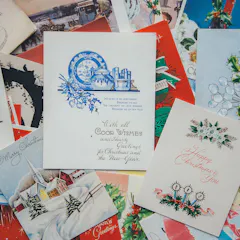
The beauty and delicacy of the Christmas story become in our consumerist hands a recipe for crassness and sentimentality. No surprise then, that poets are drawn to try to rescue it.

Science fiction is a popular and lucrative genre – but most authors are men and relatable female characters are sadly lacking. Given this entrenched sexism, it’s time for publishers to take affirmative action.
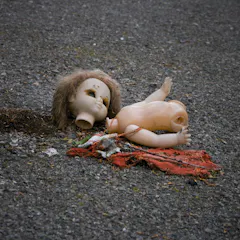
The Royal Commission into Institutional Responses to Child Sex Abuse has documented heart-rending testimonies and elicited shattering revelations. But how does a society witness itself failing at its most fundamental duty?
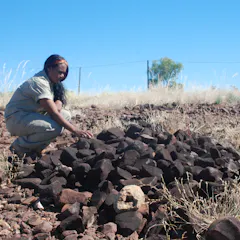
The Gurindji people of the Northern Territory made history 50 years ago by standing up for their rights to land and better pay. But a new book reveals the deeper story behind the Wave Hill Walk-Off.
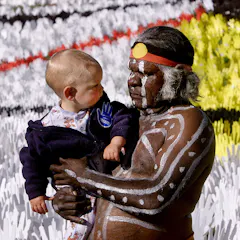
Racism is again on the rise in many parts of the world. So is the dehumanisation of our enemies. What hope is there, then, for notions of a common humanity?
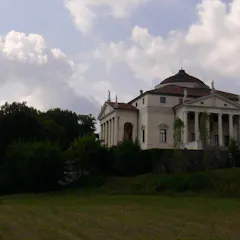
Might we enjoy our homes more if their rooms were characterised by their sense of loftiness or intimacy or cheerfulness or melancholy rather than lifeless labels such as ‘media room’ or ‘home office’?
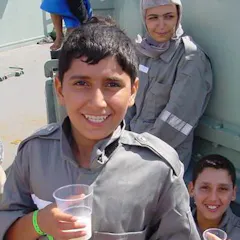
Images move us to act – as last week’s episode of Four Corners has shown. Our government has gone to great lengths to suppress photos that humanise asylum seekers – but when they seep out, empathy is aroused.
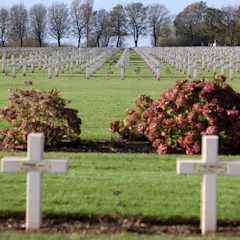
A hundred years ago today, the Battle of the Somme began. This conflict, in which a million men died in order to move the front lines about six miles, spelled the end of courage as a cornerstone of masculine identity.
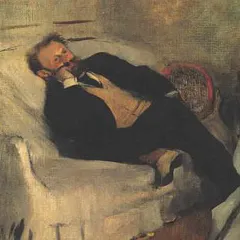
Edgar Degas’ relationship with Impressionism was to be a stormy one, but his encounter with Edouard Manet in 1862 was a turning-point in his career. Degas went on to paint a portrait of Manet and his wife - later slashed in mysterious circumstances.
Top contributors
-

Professor in Politics and Journalism, University of Notre Dame Australia
-
Associate Professor in Literary Studies, Monash University
-
Associate Professor in Creative Writing, Griffith University
-
Visiting Research Fellow, Department of English and Creative Writing, Adelaide University
-
Emeritus Professor in the History of Religious Thought, The University of Queensland
-
Honorary Professor of Classics and Ancient History, School of Historical and Philosophical Inquiry, The University of Queensland
-
Joanna Mendelssohn is a Friend of The Conversation.
Honorary Senior Fellow, School of Culture and Communication, The University of Melbourne
-
Senior Lecturer, Discipline of English and Writing, University of Sydney
-
PhD Candidate, Creative Writing, The University of Melbourne
-
Associate Professor (adjunct) in Creative Writing, Flinders University
-
Emeritus Professor of Creative Writing, The University of Melbourne
-
Lecturer, Deakin University
-
Professor Emeritus of Media and Culture, Griffith University, Griffith University
-
Professor of English, Flinders University
-
Research Fellow, Digital Cultures & Societies, The University of Queensland