
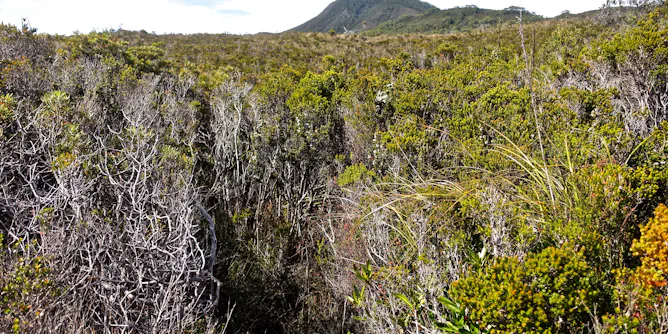
Wooredy and his second wife Truganini set off into the Tasmanian wilderness with settler George Robinson in 1830, on a “conciliatory” mission to find other original Tasmanians. Their stories bear witness to a psychological and cultural transition without parallel in modern colonialism.
Articles on Friday essay
Displaying 341 - 360 of 399 articles

The history of dangerous cosmetics shows us the harms that women have suffered to meet expectations of what is beautiful.
From 30,000-year-old cave paintings to The Man From Snowy River, wild horses have always been part of human culture. As Australia debates what to do with ‘brumbies’ in mountain environments, it’s time to reconsider their place.

American cinema mines Greek myth most strongly at times of profound social anxiety. In the age of Trump, we are already seeing key political battlegrounds framed as underworld quests in film.
The AIDS crisis arrived in Australia in 1982 and triggered an enormous (and successful) public health response, largely driven by volunteers. These people, often from marginalised communities in their own right, deserve recognition in Australia’s proud volunteer tradition.

The history of the library is replete with mechanical marvels. More than collections of books, libraries are social, cultural and technological institutions that house the very idea of a society.

The women’s magazine formula runs deep in many online publications branded as ‘feminist’. While the personal was once deemed political, the emphasis now is on adapting to the status quo - not changing it.

A spate of recent TV shows feature protagonists whose mental health condition gives them special skills. But these are often accessed by rejecting medication.
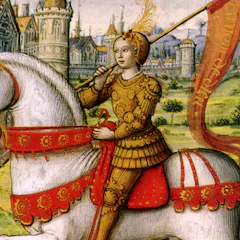
Forget Wonder Woman and Batman. The Maid of Orléans - an uneducated, teenage girl who led armies to victory - is a hero for our times.
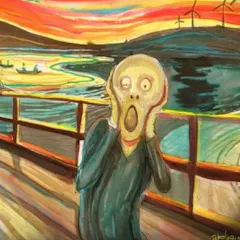
One of the great satirical achievements of the mass media era, the editorial cartoon, is losing its centrality in the digital age. Yet the ‘visual terrorism’ of cartoons can cut through the verbiage of political commentary.
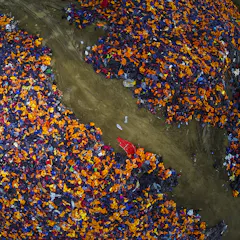
In late 2015, 200,000 refugees a month were arriving on the Greek island of Lesvos. Tasos Markou went there to photograph their plight - and ended up joining the locals to help the new arrivals.
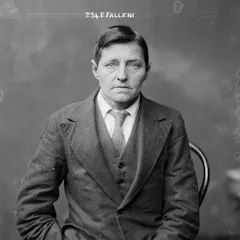
An Italian-born-woman-turned-Sydney-dwelling-man, Eugenia Falleni was convicted of murder in 1920. Researching a novel about Falleni left this author literally, and figuratively, at sea.
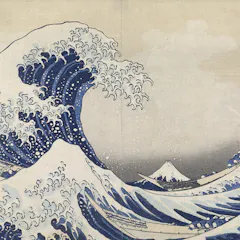
Hokusai’s Great Wave is the enduring image of Japanese art. Less well known is the story of its primary pigment - Prussian blue - which was created in a lab accident in Berlin and sparked ‘blue fever’ in Europe.
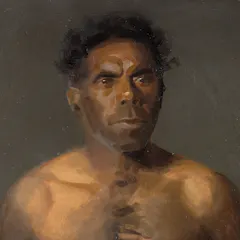
Anthropologist Percy Leason thought he was painting the extinction of Victoria’s Indigenous people in the 1930s. He was wrong, but his portraits, part of a new exhibition at the National Gallery of Victoria, are surprisingly sympathetic.
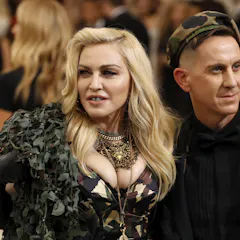
Why is Cher, 71, celebrated when she wears a near-nude costume while Madonna, 58, receives revulsion? 19th century women’s magazines reveal how the double standards of beauty for older women came about.
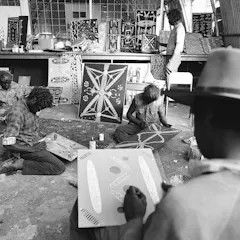
The Men’s Painting Room - a Nissen hut in the government settlement of Papunya - is Australian art’s most important atelier. A new form of creative expression happened here.
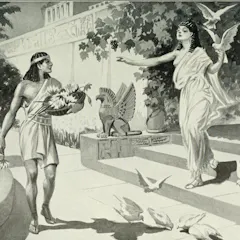
Love, it is said, is a battlefield, and it was no more so than for the first goddess of love and war, Ishtar. Her legend has influenced cultural archetypes from Aphrodite to Wonder Woman.
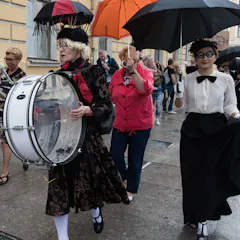
Around the world today, fans of James Joyce’s Ulysses will celebrate Bloomsday. This experimental novel can be bewildering to read, but for those who persist, it is a ‘feast’ of a book.
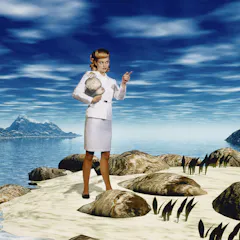
The 1990s was once the forgotten decade of the 20th century but no longer.

For thousands of years, tattoos have been indicative of the passage from girlhood to womanhood, of female power and female beauty.
Top contributors
-

Professor in Politics and Journalism, University of Notre Dame Australia
-
Associate Professor in Literary Studies, Monash University
-
Associate Professor in Creative Writing, Griffith University
-
Visiting Research Fellow, Department of English and Creative Writing, Adelaide University
-
Emeritus Professor in the History of Religious Thought, The University of Queensland
-
Honorary Professor of Classics and Ancient History, School of Historical and Philosophical Inquiry, The University of Queensland
-
Joanna Mendelssohn is a Friend of The Conversation.
Honorary Senior Fellow, School of Culture and Communication, The University of Melbourne
-
Senior Lecturer, Discipline of English and Writing, University of Sydney
-
PhD Candidate, Creative Writing, The University of Melbourne
-
Associate Professor (adjunct) in Creative Writing, Flinders University
-
Emeritus Professor of Creative Writing, The University of Melbourne
-
Lecturer, Deakin University
-
Professor Emeritus of Media and Culture, Griffith University, Griffith University
-
Professor of English, Flinders University
-
Research Fellow, Digital Cultures & Societies, The University of Queensland