

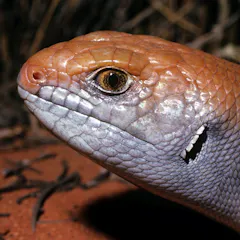
Some animal species have their eyes positioned on their heads differently than how people do – and it comes with pluses and minuses for how they see.
Articles on Foxes
Displaying 1 - 20 of 45 articles
Fenced-off safe havens and islands free from cats and foxes have given endangered mammals breathing space. But they’re not yet helping many other groups of animals.
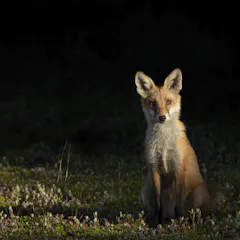
Decades of evidence link foxes and feral cats with extinctions of Australian mammals. Claims these introduced predators aren’t responsible don’t stack up.
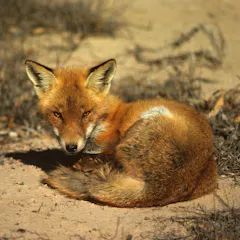
It only took 60 years for the red fox to spread across Australia. New research could prevent other invasive animals doing the same.
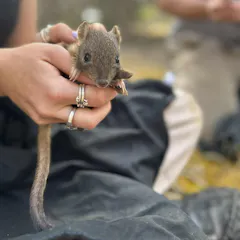
Predatory foxes and cats prowl South Australia’s national parks. But the successful reintroduction of an endangered bettong proves coexistence is possible.
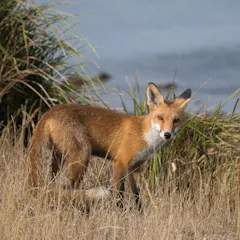
Dozens of Australian mammal species have declined and gone extinct since European colonisation – and introduced predators are often blamed. But evidence is lacking.

The animals that are living it up in the city.
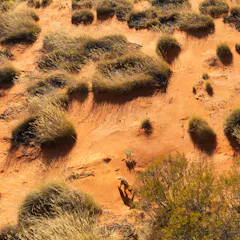
Feral cats, foxes and dingoes are routinely baited to protect wildlife and livestock. But does it matter what kind of bait is used? Do cats ignore it?
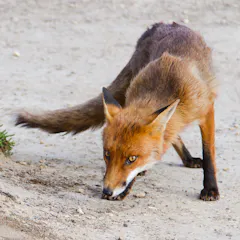
Even though 1080 is derived from native plants, not all of Australia’s native species are resistant to this lethal poison.
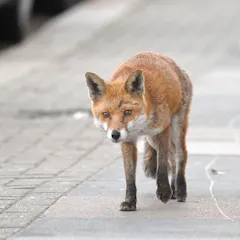
A recent study tested whether messages about bolder urban foxes are biasing how people feel about them.

We analysed photos of predators and prey from 3,667 camera traps in southwest Victoria. We found feral cats were more abundant and behaved differently in areas where foxes were baited.
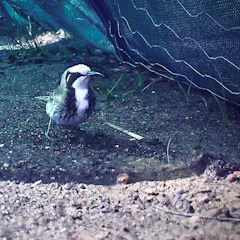
We need every tool at our disposal to stop feral cats and foxes from decimating Australia’s incredible wildlife after fires. Artificial refuges show promise.
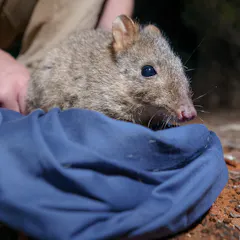
Woylies bred in wildlife havens were smaller and less flighty than their counterparts in the wild. This could jeopardise the success of repopulation programs.

Our lives are intertwined with animals, insects and birds – we should consider them more when we design our cities.
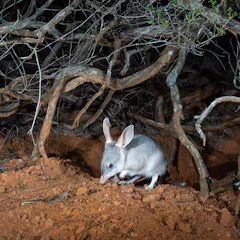
Dozens of threatened Australian species are back from the brink. But many are reliant on fenced-off safe havens and could not survive the feral predators of the wild. True safety is harder

Rewilding is risky but we can learn from past attempts to use it as an effective tool for conservation
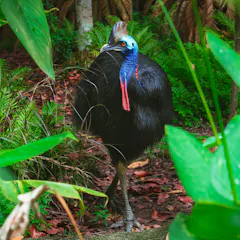
Dozens of species have been coaxed back from oblivion, with fenced havens, conserved habitat, islands and feral predator control vital.
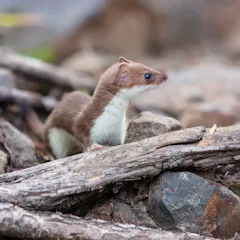
Polar bears and wolves may get the glory, but small predators like weasels, foxes and their cousins play outsized ecological roles. And many of these species are declining fast.
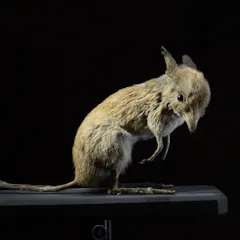
38 mammals have been driven to extinction since colonisation, and many more are close to joining them. We have the solutions at hand, but warnings continue to be met with mediocre responses.

Almost half of the rehabilitated possums in our study were killed by foxes shortly after release. Keeping wildlife wild during rescue is hard – but necessary.
Top contributors
-

Professor in Wildlife Ecology and Conservation, School of Life & Environmental Sciences, Deakin University
-
Professor Emeritus in Terrestrial Ecology, University of Sydney
-
Professor of Conservation Biology, UNSW
-
Professor of Conservation Biology, Charles Darwin University
-
Honorary Research Fellow, University of Sydney
-
Professor of Wildlife Conservation, Australian National University
-
Adjunct Fellow in Ecology, Adelaide University
-
Professor of Wildlife Conservation, University of Tasmania
-
Professor of Global Change Ecology, Adelaide University
-
Associate Professor, Global Ecology, University of Sydney
-
Professor in Ecology, Charles Sturt University
-
University Fellow in Biodiversity, Charles Darwin University
-
Adjunct Associate Professor, University of Canberra
-
Professor, University of Sydney
-
Animal Geographer, Keele University