
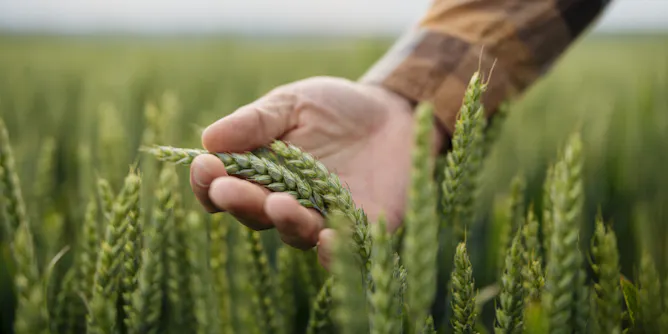
Growers across the country are grappling with surging fuel prices and inconsistent rainfall.
Articles on Food shortages
Displaying 1 - 20 of 27 articles

The sad truth is that African countries cannot avoid being harmed by the current Gulf war. But they can make efforts to emerge from the crisis in a better place.

Women play a significant role in Liberia’s agriculture. But many don’t have enough to eat.
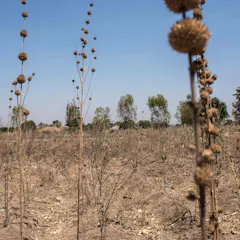
Food security experts recommend that rural farmers in Malawi be given access to irrigation systems to free them from reliance on rain, and find ways outside farming to earn an income.
Research shows what happens when people are forced to swap their favourite shops.
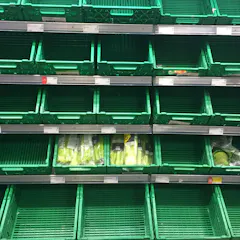
The food aid supply chain relies on surplus.

Thérèse Coffey’s recent suggestion that Brits eat turnips instead of tomatoes during food shortages was mocked – but the turnip hasn’t always been so unpopular, as a food historian explains.

Food shortages have revealed weaknesses in UK supply chains.
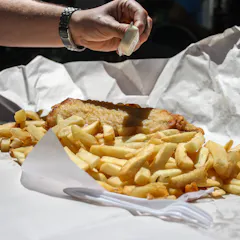
As with so many staples and foods in the past two years – lettuce, milk and eggs to name a few – the problem is a temporary imbalance between supply and demand. Here’s what’s happening with potatoes.
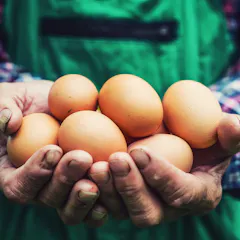
Research shows that food supply chains are unfair, but there are ways to make them more sustainable for all involved.

Rapid increases in food prices due to inflation mean many Canadians may be making different food choices. Here are the possible short- and long-term effects of that, and some ways to save money.

A digest of the week’s coverage of the war against Ukraine.

The closure of a factory in Michigan is the incident that put new parents across the US on edge, but the real causes for the shortage of baby formula are many years in the making.
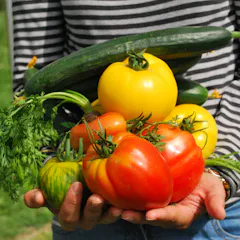
A ‘right to grow’ law encouraging more locally-grown food could boost health, community pride and food supply resilience.

The supply crisis in the meat processing industry was entirely predictable. Employers and the government should have seen it coming.

Supply chains are facing a complex and unpredictable world in the year ahead.

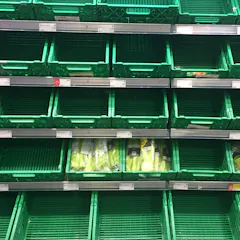
In 2020 and 2021 empty supermarket shelves were due to spikes in demand. Now it’s a supply-side issue. The solutions, though, are substantially the same.
Adverse weather is likely to reduce the amount of food the world can grow.
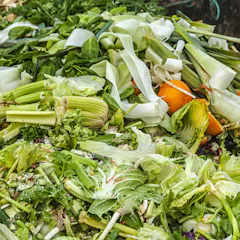
Food waste is responsible for 3 billion tonnes of carbon dioxide emissions.

Continuing flour shortages in supermarkets highlight a fundamental food security problem in distribution systems.
Top contributors
-

Associate Dean, School of Business and Law, Edith Cowan University
-
Professor of Plant Science, University of Connecticut
-
Professor of Logistics and Supply Chain Management, Heriot-Watt University
-
Research Fellow, International Food Policy Research Institute (IFPRI)
-
PhD, Political Economy, Macquarie University
-
Senior Lecturer in Psychology of Appetite and Obesity, University of Liverpool
-
Associate Professor of International Relations, Monash University
-
Assistant Research Scientist, University of Maryland
-
Research Dean for Agriculture, Food and Health, University of Reading
-
Professor, Food Economics, University of Guelph
-
Lecturer in Marketing, Keele University
-
CGIAR
-
Visiting Adjunct Professor, School of Governance, University of the Witwatersrand
-
Professor of Resources and Environmental Policy, UCL
-
Professor of Zoo Animal Welfare & Legislation, Nottingham Trent University