
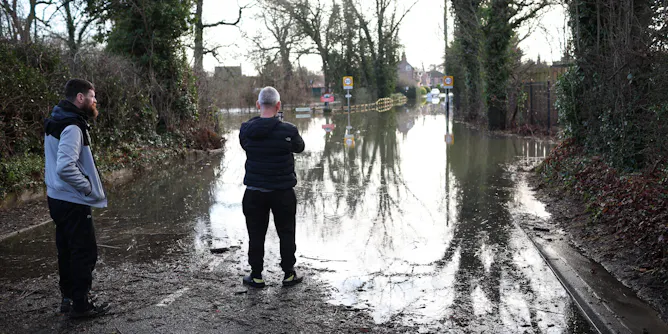
On one stretch of Nottingham’s River Trent, floods that arrived every 50 years now return in ten.
Articles on Floods
Displaying 141 - 160 of 532 articles
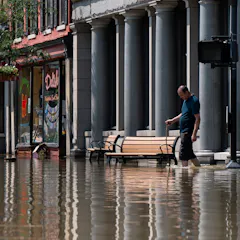
An atmospheric scientist explains how rising temperatures are helping to fuel extreme storms, floods, droughts and devastating wildfires.

The North Queensland floods remind us of the need to build community resilience to disasters – during the event, in the immediate aftermath and beyond.
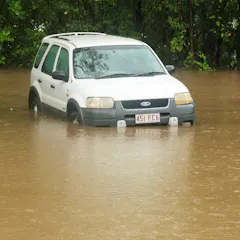
Once the immediate crisis in North Queensland has subsided, authorities will need to grapple with how to deal with the ‘new normal’ of extreme weather events. The big question is: are they prepared?
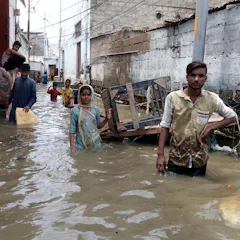
The effects of climate change on health are getting more political traction. But there’s still more to do, particularly as the health harms of climate change are only getting more serious.
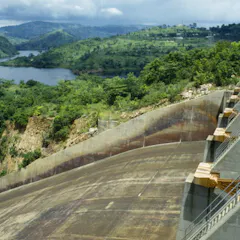
Communities along the bank of the dam have been victims of injustice since the early 1960s.
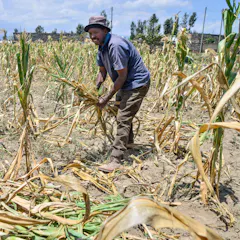
Smallholder farmers are bearing the brunt of climate change in sub-Saharan Africa. Deliberate steps are required to support them and boost agricultural output,

Canadians should demand greater accountability from their governments to reduce the need for last-minute humanitarian efforts in the face of climate-related disasters in their communities.

Any plan to dam or extract water from some of Australia’s last wild rivers must carefully consider the consequences. Prawn, mud crab and barramundi fisheries could suffer in the Gulf of Carpentaria.

Australia’s move towards net zero emissoions by 2020 is in danger of stalling. If it is not to fail, the nation urgently needs a government plan, aligned with industry and with public support.
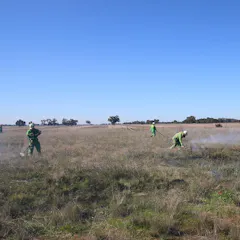
The Voice to Parliament could advise on how Aboriginal and Torres Strait Islander knowledges can help the country prepare for and lessen the damage of natural disasters such as bushfires.
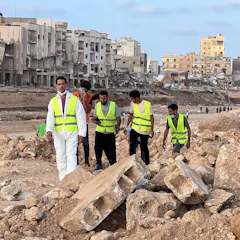
Climate models suggest North Africa will get drier in future. But its caves tell a different story.

There’s a rule of thumb that rainfall intensity increases by about 7% per degree Celsius as temperatures rise. But the increase is much higher in the mountains, scientists found.
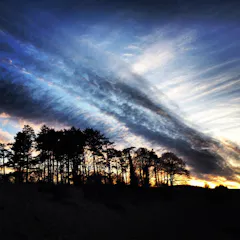
An ‘omega block’ helped Storm Daniel wreak devastation in Libya.
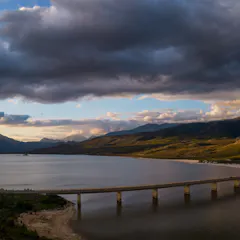
There’s a consensus that extreme hydrological events will increase throughout the continent. This will lead to growing issues with power system reliability.
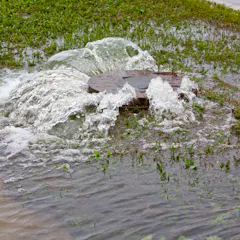
New or improved flood protection can give a false sense of security – the so-called ‘levee effect’. But climate change is unpredictable, meaning ‘residual risk’ always exists and must be planned for.
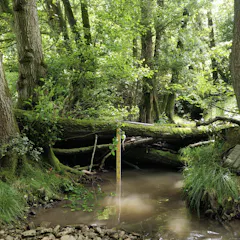
A new study shows that river barriers, similar to those built by beavers, can protect areas at risk of flooding by storing water upstream.
With average insurance premiums up 28% in the past year, there’s growing pressure on the insurance industry to rethink its opposition to a government-owned and run disaster reinsurance pool.
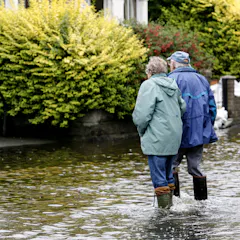
Across the world, elderly people tend to be the most vulnerable to climate-related disasters.

As extreme weather events increase in frequency and severity, many Canadians are still unaware of how to prepare for a natural disaster.
Top contributors
-

ARC Future Fellow and Associate Professor in Climate Science, ARC Centre of Excellence for 21st Century Weather, The University of Melbourne
-
Regius Professor of Meteorology and Climate Science, University of Reading
-
Professor of Environmental Planning, University of Waikato
-
Professorial Fellow, University of Canberra
-
Senior Lecturer, Climate Science and Science Communication, The University of Melbourne
-
Senior Research Associate, UNSW
-
Associate Professor in Environmental Science, Western Sydney University
-
Clinical Associate Professor, School of Medical Science & Sydney Infectious Diseases Institute; Principal Hospital Scientist, University of Sydney
-
Associate Professor, School of Civil, Environmental and Mining Engineering, Adelaide University
-
Senior Research Associate, Institute for Environment and Human Security (UNU-EHS), United Nations University
-
Professor emeritus, The University of Melbourne
-
Associate Professor, Macquarie University
-
Climate Scientist, Australian Bureau of Meteorology
-
Senior Research Fellow, The University Centre for Rural Health, University of Sydney
-
Adjunct Professor of Environmental Geography, CQUniversity Australia