

A health informatics researcher explains why people don’t always get the ‘credit’ they think they should from using wearable fitness trackers.
Articles on Fitness trackers
Displaying 21 - 40 of 45 articles
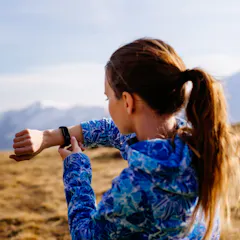
A small body of research has started to explore how fitness trackers and calorie counting apps might be linked to disordered eating and exercise.
People are more willing to participate in fitness tracker-based insurance policies when they are in control of their participation.
German study shows that a multi-pronged approach works best.
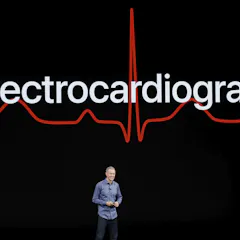
As health care grows more digital, an array of health apps promise to track steps, count heartbeats and look at moles. But without more FDA oversight, could we be shooting ourselves in the foot?

An offer that appears beneficial on the surface, but can lead to unintended negative consequences is called a “perverse incentive”.
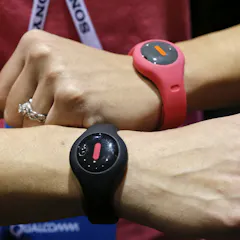
Insurer John Hancock now requires customers to use activity trackers for life insurance policies. Here’s how that will put life insurance and even mortgages out of reach for many people.

Gadgets that tell too many people to go to the doctor are a worry, but the growing enthusiasm for health monitoring should be encouraged.
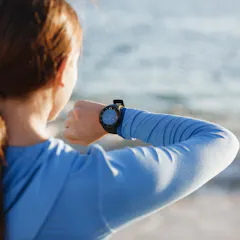
Heart-rate monitors can be accurate – as long as you don’t move.

Wearables help regular people track their activity, but sophisticated technology can give deeper insights to elite athletes.

It’s not just fitness trackers – mobile phones can reveal users’ whereabouts too, even with location tracking turned off.
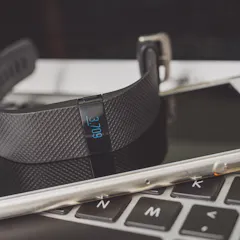
Fitbits and other trackers are just the latest iteration of the fitness industry’s relationship with technology.
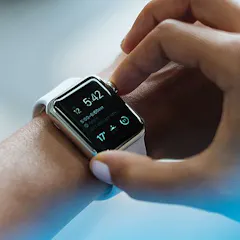
Research shows that people’s social networks, employment conditions and life stages all impact their use of wearable devices. Understanding these factors can help you achieve your fitness goals.

Digital fitness trackers may look cool, but many teenagers don’t want them in PE lessons.
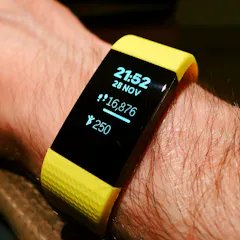
Soon, wearable fitness devices will be able to diagnose diseases. Could that lead insurers to deny coverage to people based on their data alone?

Do fitness trackers work? For how long? And are they more than just a passing fad? We explore what you need to know about fitness trackers.
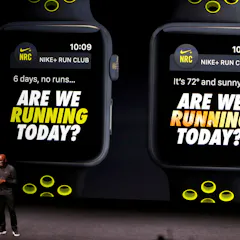
Forget high-end design and cutting-edge communication. The new Watch is a fitness device and heralds a shift for the company – from enabling self-expression to nudging users toward self-mastery.

We need children to get hold of their fitness levels - literally.

Fitbit and other wearable technology are good for keeping track of your personal fitness. But should they be used by school children?
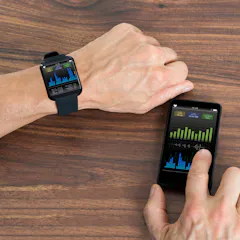
To tackle obesity, the NHS is experimenting with financial incentives, dieting clubs and free exercise classes. But what about prescribing digital fitness trackers?
Top contributors
-

Lecturer in Applied Health Sciences, University of Aberdeen
-
Professor of Contemporary Philosophy and Literature, Brunel University of London
-
Associate professor, Queen's University, Ontario
-
Professor of Computer and Information Science, Northeastern University
-
SHARP Professor, Vitalities Lab, Centre for Social Research in Health and Social Policy Centre, and the ARC Centre of Excellence for Automated Decision-Making and Society, UNSW
-
Senior Lecturer in Sports Science, Swansea University
-
Professor of Physical Education and Health, Örebro University
-
Associate Professor of Education, University of Connecticut
-
Reader in Computer Science and Leader of Software and Systems Engineering Research, Keele University
-
PhD Researcher, Georgian Technical University
-
Professor & Director, Hub for Apple Platform Innovation (HAPI), School of Computing Technologies, RMIT University
-
Professor, Biomedical and Health Information Sciences, University of Illinois Chicago
-
Keele University
-
PhD Researcher, University of Beira Interior
-
Professorial Research Fellow: Physical Activity and Health, CQUniversity Australia