
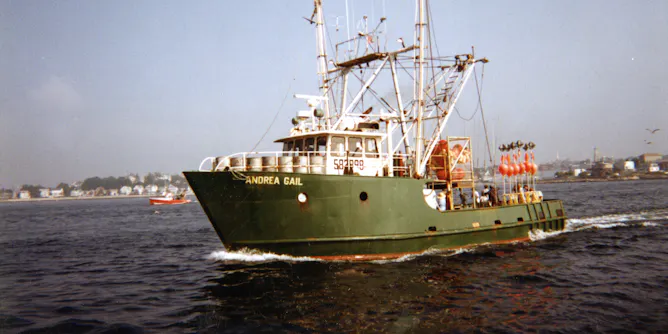
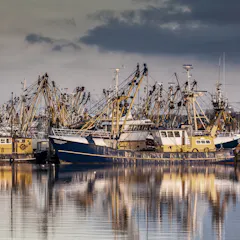
Fishing was once more open to all off New England. After devastating fishery collapses, stricter rules helped fish stocks recover, but they also changed the face of fishing and the lives of fishermen.
Articles on Fisheries management
Displaying 1 - 20 of 23 articles
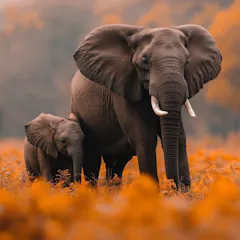
Like big, tall trees in old-growth forests, older animals are irreplaceable. Pulling them out leaves the ecosystem less resilient to future shocks. It’s time for ‘longevity conservation’ measures.
Having a flexible and adaptable management system is necessary to sustainably manage fisheries, especially in times of a rapidly changing climate.
One of the greatest challenges facing our oceans is illegal, unreported and unregulated fishing. And a vital tool against this is problem is context-specific fisheries transparency.
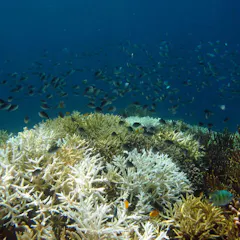
A new biodiversity index captures the climate risk for nearly 25,000 marine species and their ecosystems and lays the groundwork for climate-smart approaches to management and conservation.

Creating opportunities to meaningfully engage women in governance and decision-making is necessary to achieve gender equality in small-scale fisheries.

The giant sea bass fishery collapsed long ago in the US, but that didn’t mean the species was endangered. New research shows these iconic fish have been thriving south of the border.
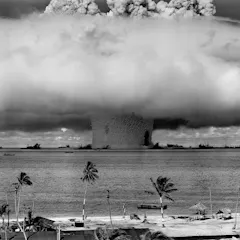
Marine fish could serve as a crucial global emergency food supply in times of crisis, if marine ecosystems were in a healthy state to start with.
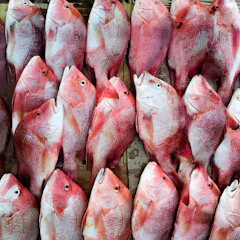
Without understanding which fish species and habitats local fishers rely on, export bans can do more harm than good.

Identifying and overcoming barriers to equitable participation in social and economic life can improve the well-being of coastal communities.
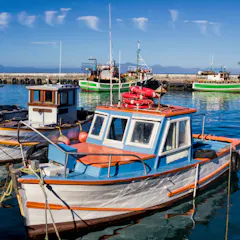
It’s possible for local fishing communities to have a say in managing the system they work in.
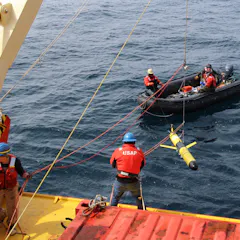
Sending autonomous vehicles to the Southern Ocean can be fraught with anxiety, especially if one of them doesn’t make radio contact when it’s supposed to.
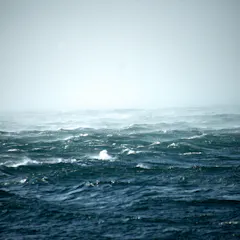
Confrontation between French and British scallop fishers is a warning about the resource conflicts of the future.
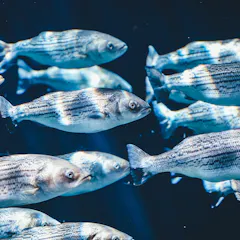
Australia’s oceans are warming faster than the global average, and fish are moving south as a result.
Seagrass meadows play a significant role in supporting world fishery productivity.
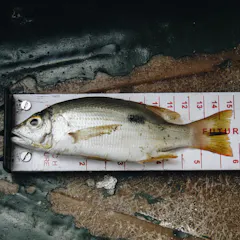
Artisanal fishers in Sri Lanka are throwing away more marine species than they keep.
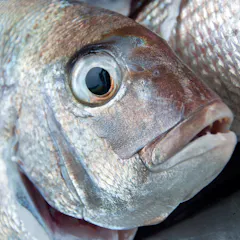
New Zealand’s fisheries are considered among the best managed in the world, but this perception doesn’t match the facts.
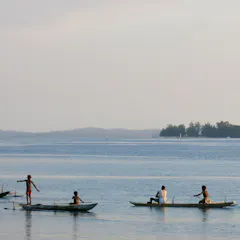
Coastal indigenous peoples consume nearly four times more seafood per capita than the world average and have strong cultural ties to the sea. Global ocean policies should preserve these connections.
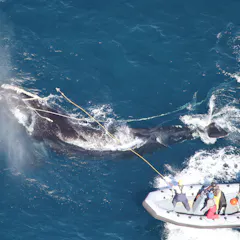
A new US seafood import rule requires supplier countries to control accidental bycatch of whales, seals and other marine mammals – showing that global trade and conservation can reinforce each other.
One of the environmental legacies of the Obama administration is ocean reserves. Two ocean scientists explain why these are a critical but not sufficient piece of conservation.
Top contributors
-

Research Fellow, Cardiff University
-
Associate Professor in Marine Biology, Swansea University
-
Chief Conservation Officer, Project Seagrass & Research Affiliate, Swansea University
-
Chief Research Scientist - Environment, CSIRO
-
Professor, Institute for Marine and Antarctic Studies and Director of the Centre for Marine Socioecology, UTAS, University of Tasmania
-
Senior research fellow, University of Wollongong
-
Professor, University of Otago
-
Senior Rearch Fellow in Fisheries Ecology, Southern Cross University
-
Independent Researcher, Indiana University
-
Economic/environmental anthropologist, University of Waikato
-
Associate Professor of Integrative Biology, Oregon State University
-
Professor of Japanese economy and business, University of Oxford
-
Lecturer in Sustainability, University of Manchester
-
Director (Policy), Nippon Foundation-UBC Nereus Program and Senior Research Associate, University of British Columbia
-
Associate professor