
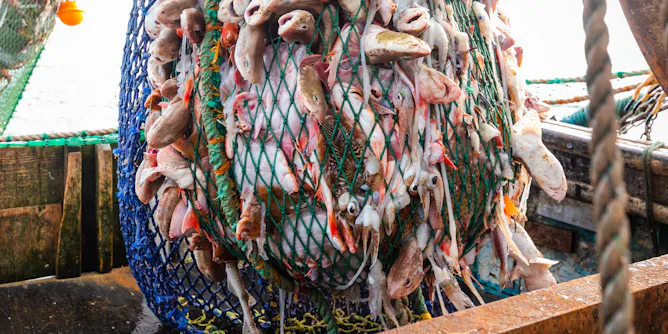
We studied 230 fisheries around the world, and found populations of many overfished species are in far worse condition than has been reported.
Articles on Fish
Displaying 81 - 100 of 495 articles
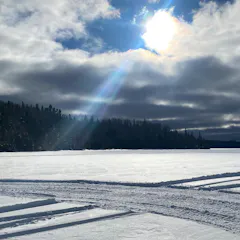
Canadians are no strangers to cold winters, when everything in nature appears to be frozen solid. However, under the ice cover of lakes, many animals remain active during the winter.

Whether they’re going to cook a fish, have it mounted or just take a photo and then release it, anglers want more than a severed head. But with shark numbers rebounding, they’ve got competition.
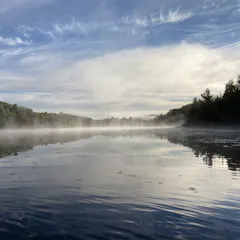
Many wild fish in Québec have parasites. Is this necessarily a bad thing? How can we limit the proliferation and spread of specific harmful parasites?

As the Arctic Ocean loses sea ice due to climate change, fisheries access is increasing and large-scale exploitation is on the horizon. Here’s how to manage the uncertainty and the risks.
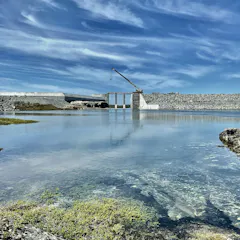
The energy transition requires the development of new infrastructure, which can have adverse effects on the environment and on certain communities.

Over millions of years, a stable climate helped create this biodiversity hotspot. Climate change now threatens it.

Researchers say eel tiles offer conservationists a new fish passage solution that could slow down the population decrease of the European eel.
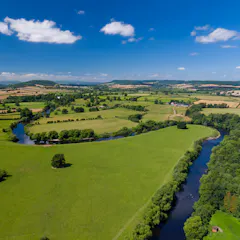
Our research suggests environmental DNA analysis could transform traditional ways of monitoring freshwater ecosystems.
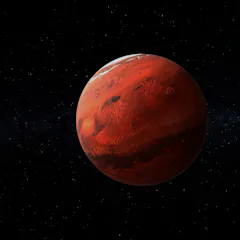
Aquaponics could help feed Martian colonies in the future and offer a sustainable food system on Earth.
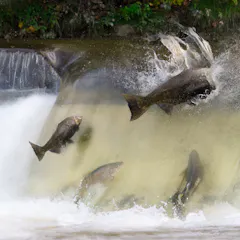
Migratory fish populations are down 81% since 1970, says a new report.
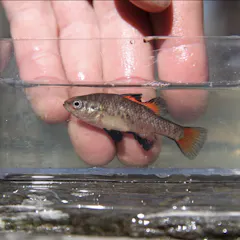
Reintroducing locally extinct species is a challenging affair, but with the right partnerships everyone can help make it happen.

Oily fish like sardines and mackerel are proven to reduce metabolic syndrome, and catching them has a very low environmental impact.
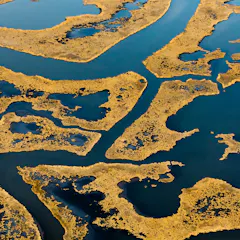
A coastal scientist explains why marshes, mangroves and other wetlands can’t keep up with the effects of climate change, and how human infrastructure is making it harder for them to survive.

A new report has found the marine reserve covering the Heard and McDonald islands must urgently be expanded.
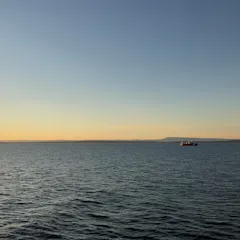
Atlantic halibut are making a strong comeback in the Gulf of St. Lawrence. But how do we know where the fish move throughout their lives?
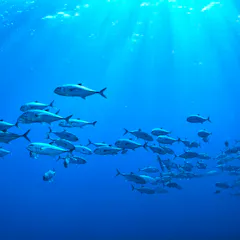
Recent research shows how reducing overfishing is both an ecological imperative and a critical means to addressing climate change.
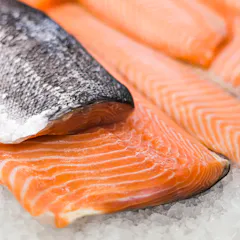
Knowing which fish to buy can be confusing, but certain eco-labels can help decipher whether wild-caught, farmed or organic salmon is best for the environment.
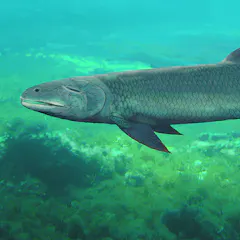
For decades, the sandstone in central Australia yielded tantalising segments of some sort of fossil fish. Now, we have finally pieced together a complete picture of this remarkable species.
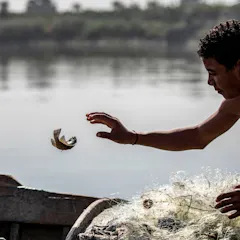
The River Nile is contaminated with microplastics.
Top contributors
-

Emeritus Strategic Professor in Palaeontology, Flinders University
-
Professor, Macquarie University
-
Executive Director and Professor of Fisheries and River Management, Gulbali Institute (Agriculture, Water and Environment), Charles Sturt University, Charles Sturt University
-
Matthew Flinders Professor of Biodiversity Genomics, Flinders University
-
Adjunct associate in freshwater fisheries ecology and management, University of Canberra
-
Associate Professor in Ecology, Charles Sturt University
-
Postdoctoral Fellow in Vertebrate Palaeontology, Flinders University
-
Research Associate in the College of Science and Engineering, Flinders University
-
Postdoctoral Research Associate at the School of Biosciences, Cardiff University
-
Chief Research Scientist - Environment, CSIRO
-
Professor, University of Wollongong
-
Associate Professor of Neuroscience and Behavioural Analysis, University of Surrey
-
Professor of Marine biology, The University of Melbourne
-
Freshwater Ecologist, Charles Sturt University
-
Associate Professor in Marine Biology, Swansea University