

The neck’s vitality and vulnerability are rooted in a quirky evolutionary history.
Articles on Fish
Displaying 61 - 80 of 495 articles

Oceans cover more than 70% of Earth’s surface, and their warming is gravely concerning. So how much is down to climate change?

Understanding the number and origin of animals entering a country is important to control the health and ecological problems imported wildlife can bring.

Scientists have assessed more than 23,000 species.
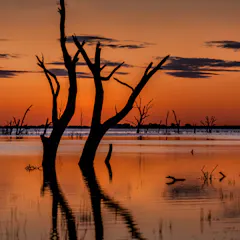
The findings are simply unacceptable for a natural asset so fundamental to Australia’s environmental, cultural and economic wellbeing.

The accumulation of micro- and nano-plastics in marine organisms, particularly fish, eventually makes its way onto our plates. What are the health risks?
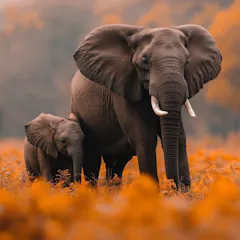
Like big, tall trees in old-growth forests, older animals are irreplaceable. Pulling them out leaves the ecosystem less resilient to future shocks. It’s time for ‘longevity conservation’ measures.
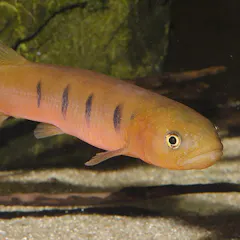
New research reveals a third of Australia’s freshwater fishes are at risk of extinction. That means 35 species should be added to the national list of 63 threatened species, bringing the total to 98.
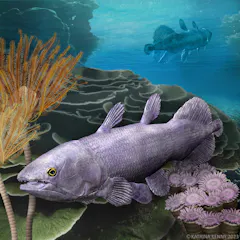
Researchers have discovered a new extinct species of coelacanth that lived 380 million years ago.
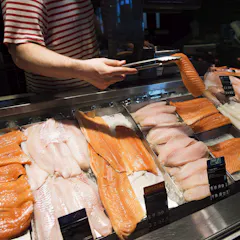
A recent study has found that seafood mislabelling is running rampant in Calgary, and that certain product names are more likely to hide species of conservation concern.
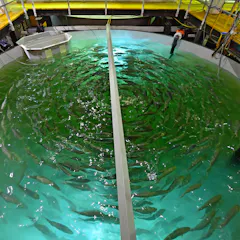
Many sea creatures lead complex, social lives in the wild and are likely to suffer in farmed conditions. But they aren’t mainstays of the aquaculture industry − yet.
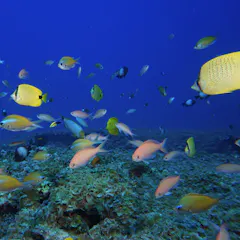
What have global efforts to protect oceans actually achieved? Our study of nearly 2,600 tropical coral reefs around the world is the first to answer that question.

The Plymouth fish finger project will boost the amount of locally caught fish that makes it into the city’s supply chain rather than leaving the city to be eaten elsewhere.

Modern pharmaceuticals have revolutionised disease prevention and treatment. But eventually, the chemicals can end up in rivers, oceans and soils.
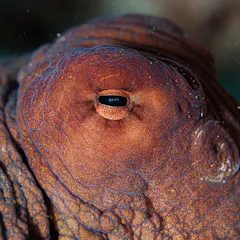
Scientists thought fish might simply be freeloading off the hard work of a hunting octopus. Now, it looks like it’s a true team effort.
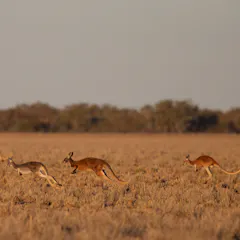
Have you ever paused to think about the athletic abilities of Australian wildlife? Let’s look at some of our best competitors and how might they fare in a contest against humans and overseas entrants.
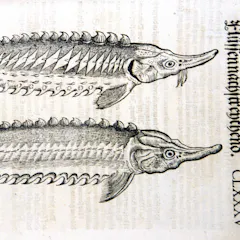
Research shows a long decline, but reveals what the seas could look like again in future.

Vague environmental claims are in breach of international best practice and Commerce Commission guidelines, which list the “dolphin friendly” label as a claim that should not be used.
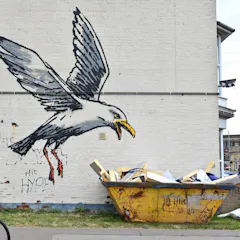
Seagulls have an innate preference for fish and mussels rather than your chips, research shows.

New research reveals how water containing the antidepressant Prozac affects male guppies, raising concerns about the health of aquatic ecosystems exposed to pharmaceutical pollution.
Top contributors
-

Emeritus Strategic Professor in Palaeontology, Flinders University
-
Professor, Macquarie University
-
Executive Director and Professor of Fisheries and River Management, Gulbali Institute (Agriculture, Water and Environment), Charles Sturt University, Charles Sturt University
-
Matthew Flinders Professor of Biodiversity Genomics, Flinders University
-
Adjunct associate in freshwater fisheries ecology and management, University of Canberra
-
Associate Professor in Ecology, Charles Sturt University
-
Postdoctoral Fellow in Vertebrate Palaeontology, Flinders University
-
Research Associate in the College of Science and Engineering, Flinders University
-
Postdoctoral Research Associate at the School of Biosciences, Cardiff University
-
Chief Research Scientist - Environment, CSIRO
-
Professor, University of Wollongong
-
Associate Professor of Neuroscience and Behavioural Analysis, University of Surrey
-
Professor of Marine biology, The University of Melbourne
-
Freshwater Ecologist, Charles Sturt University
-
Associate Professor in Marine Biology, Swansea University